apollo
  • Female
  • 27 Years
  • 23/01/2025

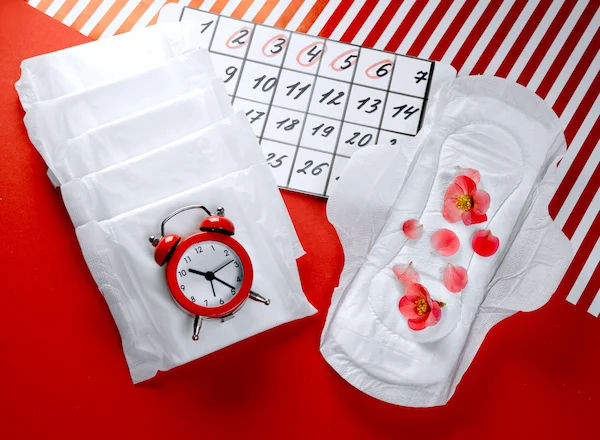
I've got a bit of a concern about my period and Plan B. I had my period mid-July, from the 14th to the 18th, and then I had unprotected sex on the 19th. I took the emergency contraception pill on the 22nd. But then, oddly, I got my period again on the 28th, and it only lasted about 4 days. Is this normal? Could this be a side effect of taking Plan B?

Doctor 1

Answered by 1 Apollo Doctors

-Yes, the bleeding you experienced on July 28 could be a side effect of the Plan B pill. Its common for emergency contraception to cause irregular bleeding or spotting, even if your period comes around the usual time.

Dr. Mubarak Suggests...

Consult a Obstetrician and Gynaecologist

Answered 04/07/2025

0

0

Sick? Talk to a doctor now

More Obstetrics & Gynaecology Health Queries

View all

I'm a bit worried. I had protected sex yesterday and just to be extra sure, I took a pregnancy test today which came back negative. But then, I got my period later, though it was a little late. Do I need to take another pregnancy test, or should I be concerned about getting pregnant? I really don't want to be pregnant right now. Can you help me figure this out?

It's reassuring that the pregnancy test came back negative, especially since you got your period, even if it was a bit late. Delayed periods can sometimes happen due to stress, hormonal changes, or other factors. Since you had protected sex and the test is negative, there's no need to worry about pregnancy at this point, but if you're still concerned, you can repeat the test or consult with your doctor for further peace of mind.

read more
Doctor 1Doctor 2

Answered by 1 Apollo Doctors

I'm 7 weeks pregnant and my doctor advised me to take Folvite tablets once in the morning. But I've been taking them at night instead. Could this affect my pregnancy? I'm really worried about it. What should I do?

ESR (Erythrocyte Sedimentation Rate) is a blood test that measures inflammation. _Interpreting ESR Results_ 1. _Normal range_: 0-20 mmhr (may vary slightly depending on the lab). 2. _Elevated ESR_: 42 mmhr is almost double the normal range, indicating moderate inflammation. _Possible Causes_ 1. _Infections_: Bacterial, viral, or fungal infections. 2. _Autoimmune disorders_: Rheumatoid arthritis, lupus, or other conditions. 3. _Chronic diseases_: Diabetes, kidney disease, or liver disease. 4. _Cancer_: In some cases, elevated ESR can be associated with cancer. _Next Steps_ 1. _Consult your doctor_: Discuss the test results and determine the best course of action. 2. _Further testing_: Your doctor may recommend additional tests, such as: - Blood cultures to check for infections. - Autoantibody tests to rule out autoimmune disorders. - Imaging tests (e.g., X-rays, ultrasound) to check for underlying conditions. 3. _Monitor and follow-up_: Schedule regular check-ups to monitor your mom's ESR levels and adjust treatment plans accordingly.

read more
Doctor 1Doctor 2

Answered by 1 Apollo Doctors

I'm 34 weeks pregnant and I'm wondering if it's safe for me to travel. If I can, would it be better to go by road or take a train? I'm really hoping to get some advice on how to travel safely at this stage of pregnancy.

Managing Piles (Hemorrhoids) _Self-Care Measures (1-2 weeks)_ 1. *Increase fiber intake*: Eat foods rich in fiber like fruits, vegetables, whole grains, and legumes. 2. *Stay hydrated*: Drink plenty of water (at least 8-10 glasses a day). 3. *Exercise regularly*: Engage in moderate physical activity, like walking or yoga. 4. *Avoid straining during bowel movements*: Take your time, and avoid pushing hard. 5. *Use a warm sitz bath*: Soak in a warm bath for 10-15 minutes, 2-3 times a day. 6. *Apply a cold compress*: Use an ice pack or a cold, damp cloth to reduce swelling. _Over-the-Counter (OTC) Medications_ 1. *Pain relievers*: Take OTC pain relievers like acetaminophen (Tylenol) or ibuprofen (Advil). 2. *Hemorrhoid creams or suppositories*: Apply OTC creams or suppositories containing witch hazel, hydrocortisone, or lidocaine. _When to Seek Medical Attention_ 1. *Severe pain*: If pain is unbearable or worsens over time. 2. *Heavy bleeding*: If bleeding is heavy, persistent, or accompanied by clots. 3. *Fever*: If you have a fever over 101.5F (38.6C). 4. *No improvement*: If symptoms persist or worsen after 1-2 weeks of self-care.

read more
Doctor 1Doctor 2

Answered by 1 Apollo Doctors

Disclaimer: Answers on Apollo 247 are not intended to replace your doctor advice. Always seek help of a professional doctor in case of an medical emergency or ailment.