


- male
- 29 Years
- 22/01/2025
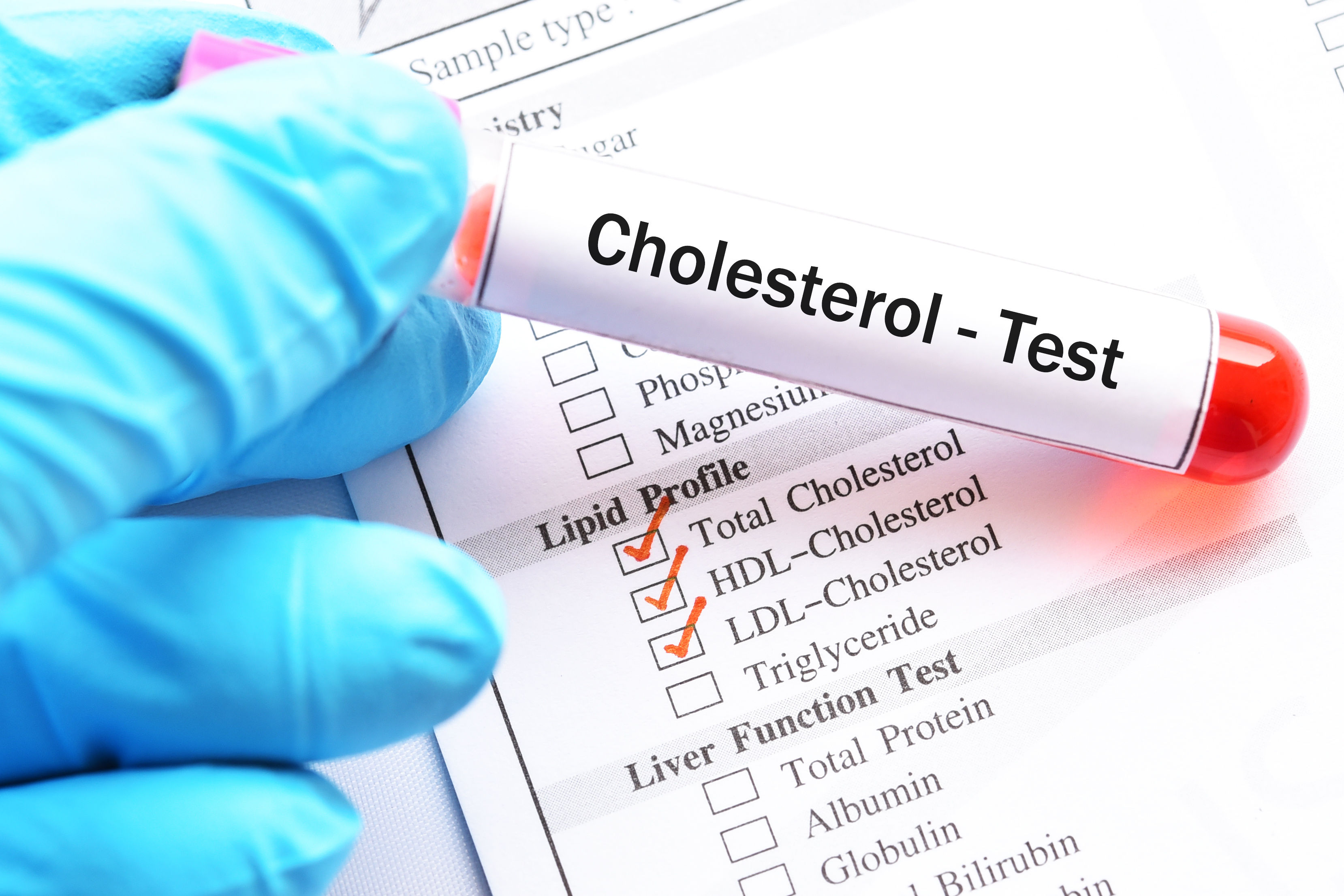
I'm a 29-year-old male and I've just got my blood pressure checked and it's 140100. Honestly, I dont feel any symptoms like having high blood pressure, but I thought I would look into it further. I did a lipid profile test as well, and here are the results: total cholesterol is 244, HDL is 54, LDL is 146, VLDL is 44, and triglycerides are 232. Am I in a position where I should consider starting medication for this? I'm kind of worried and I'd appreciate any advice you can give.

Answered by 1 Apollo Doctors

Based on your blood pressure reading and lipid profile results, it is important to take steps to manage your cardiovascular health. With your age and lipid profile results, it is advisable to start medication to help lower your cholesterol levels and reduce the risk of cardiovascular diseases. I recommend starting a statin medication such as Atorvastatin to help lower your LDL cholesterol levels. Additionally, you can consider starting an antihypertensive medication such as Amlodipine to help manage your blood pressure. It is important to follow up with your healthcare provider for further evaluation and monitoring of your blood pressure and cholesterol levels while on these medications. Making lifestyle changes such as adopting a healthy diet, regular exercise, and avoiding smoking can also greatly benefit your cardiovascular health.
Dr. Kareemulla Suggests...
Consult a Cardiologist
Answered 04/07/2025
0
0

More Cardiology Health Queries
View allI'm a bit anxious right now. I usually take my Nubeta 2.5 at around 11am every day, but I got confused and took it again at midnight thinking it was my multivitamin. My blood pressure was around 14090 before using Nubeta. I'm worried about what kind of side effects I might experience because of this. Can you help me understand what to expect and if I should do anything specific?
This medication is a beta-blocker used to treat high blood pressure. Taking an extra dose may lead to a drop in blood pressure, causing symptoms such as dizziness, lightheadedness, fatigue, and a slow heart rate. Since your blood pressure was 14090 before starting Nubeta, it is important to monitor your blood pressure closely for the next few hours. If you experience any concerning symptoms or if your blood pressure drops significantly, please seek medical attention.


Answered by 1 Apollo Doctors
Can someone explain what a "Borderline ECG" means? I attached my mom's ECG report, and I'm really worried. Is this something we need to treat, or is everything okay?
he results are not clear and could indicate some slight abnormalities in the heart's electrical activity.
Answered by 1 Apollo Doctors
I'm 23 and don't have any bad habits like alcohol or smoking, but because of my IT job, I'm sitting in front of a laptop a lot. I do eat fast food occasionally. Recently, I've felt a needle-like pain in my right upper chest that only lasts a second, and it has me worried about my heart health. I stress over various things, and I noticed my pulse is usually between 92-100 bpm. This morning it was 97 bpm. Im just wondering if my lack of physical activity might be affecting my heart. Plus, I have some gastric issues too. What do you think might be going on?
It's important to address your concerns. The needle-like pain sensation in your right upper chest, occurring briefly, could be related to musculoskeletal issues or even gastric problems. Given your sedentary lifestyle and stress levels, it's advisable to incorporate some physical activity into your routine. To help with your gastric issues, you can try taking Omeprazole 20mg once daily before breakfast for a few weeks. Additionally, for your heart health and to manage stress, you can consider taking Propranolol 20mg twice daily. However, it's crucial to consult a healthcare professional for a proper evaluation and personalized treatment plan.
Answered by 1 Apollo Doctors
Health Articles for you
View all

Disclaimer: Answers on Apollo 247 are not intended to replace your doctor advice. Always seek help of a professional doctor in case of an medical emergency or ailment.