


- Male
- 27 Years
- 22/01/2025
I've been experiencing chest pain on the left side for about 8 months now. I've had an ECG and an Echo, and both came back normal. I even did a TMT test, and it was negative too, even though it showed a heart problem. But I'm still having this chest pain. Could you shed some light on what might be going on? It's really concerning.

Answered by 1 Apollo Doctors

When there is no cardiac issue that could be pleuritis or costochondritis no need to worry take rest and foolow your doctors advice.
Dr. Shubham Suggests...
Consult a Cardiologist
Answered 04/07/2025
0
0

More Cardiology Health Queries
View allI'm feeling palpitations in my jaws and neck, and I'm really concerned. Are these palpitations something that comes and goes, or could they be a permanent issue? Is there a treatment or cure for them?
-Palpitations are usually harmless and often pass on their own, triggered by stress, anxiety, or other temporary factors. If they persist or occur frequently, it's important to consult a doctor for proper evaluation and treatment. In most cases, they can


Answered by 1 Apollo Doctors
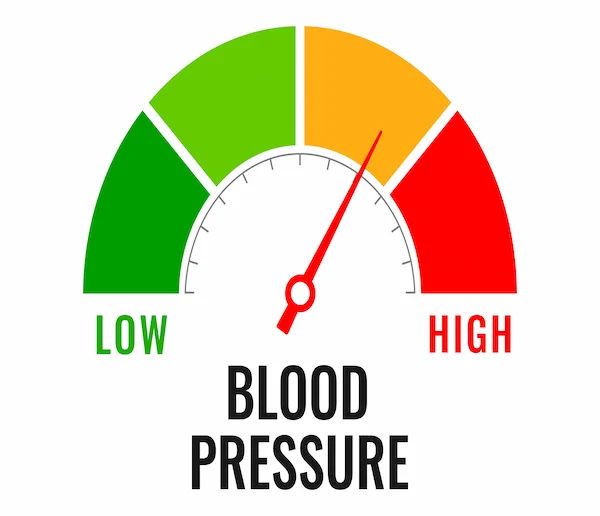
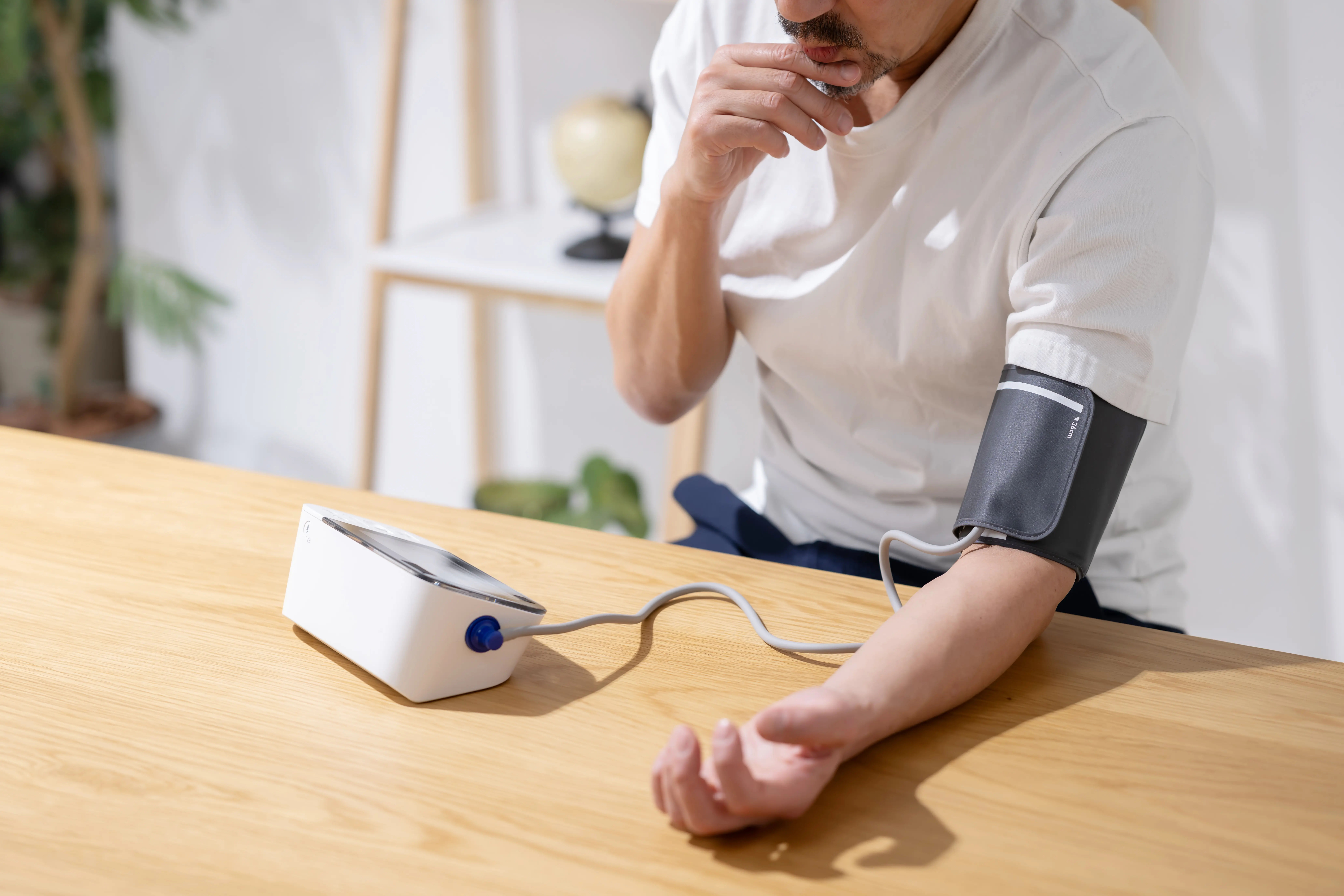
I'm feeling really shaky and I've been having these spells of dizziness, lightheadedness, and nausea. I've been keeping an eye on my blood pressure since around 5pm, and it's been all over the place. It started at 12987 with a pulse of 75, then went to 13994 with a pulse of 89, 13795 with a pulse of 84, 13387 with a pulse of 70, and now it's at 13290 with a pulse of 76. I made sure I was sitting up straight and resting before and during each check. I'm really trying to figure out what's going on with me. Can you help?
Your symptoms of shakiness, dizziness, lightheadedness, and nausea, combined with fluctuating blood pressure readings, may indicate dehydration, anxiety, or an underlying condition such as orthostatic hypotension, hypoglycemia, or autonomic nervous system dysfunction; consider consulting a healthcare professional for a thorough evaluation and potential tests, such as blood work or an ECG, to determine the underlying cause.
Answered by 1 Apollo Doctors
I'm a bit worried about my blood pressure. I recently went to the doctor, and they found it was 130100. I'm 28 years old, and when the doctor asked about my family history, I mentioned that my dad has high blood pressure but it's quite rare. The doctor didn't prescribe anything right now, just said to check it again in a month. I'm currently on antibiotics for a sore throat. Are there any tips you could give me to help manage or cure this?
Maintain a healthy weight through regular exercise and a balanced diet. Reduce sodium intake in your diet. Increase potassium-rich foods such as bananas, oranges, and potatoes. Limit alcohol consumption. Manage stress through relaxation techniques like deep breathing or meditation. Get an adequate amount of quality sleep each night. Avoid smoking and limit caffeine intake. If after a month your blood pressure remains high, you may need medication to help control it. It's important to follow up with your doctor for further evaluation and management.
Answered by 1 Apollo Doctors
Health Articles for you
View all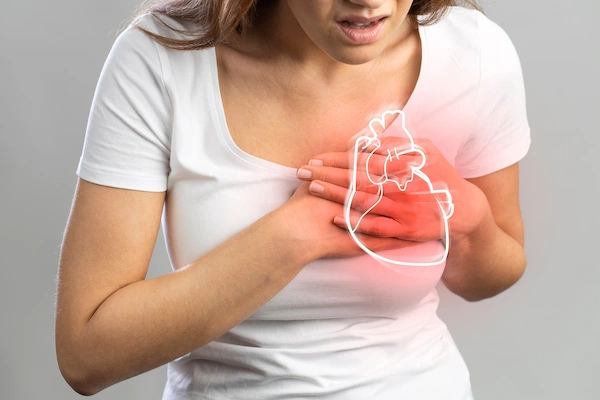
_1.webp)
Disclaimer: Answers on Apollo 247 are not intended to replace your doctor advice. Always seek help of a professional doctor in case of an medical emergency or ailment.