


- male
- 37 Years
- 29/01/2025
I'm a 37-year-old guy and I've just got my lipid test results back. I'm a bit concerned about some of the numbers, like the LDL at 120 mgdl, triglycerides at 231 mgdl, and VLDL at 46.2 mgdl. My triglycerides to HDL ratio is also 7.4. Could you please guide me on what steps I should take next for treatment or lifestyle changes?

Answered by 1 Apollo Doctors

Based on your lipid test results, your triglyceride levels are elevated. To help lower your triglycerides, I recommend starting with lifestyle modifications such as following a healthy diet low in sugars and refined carbohydrates, exercising regularly, and maintaining a healthy weight. In addition, medication may also be necessary to help lower your triglyceride levels. I recommend starting with a prescription of Fenofibrate (brand name Tricor) at a dosage of 145mg once daily. This medication can help lower triglycerides and increase HDL cholesterol levels. It's important to follow up with your healthcare provider regularly to monitor your lipid levels and adjust your treatment plan as needed.
Dr. Dr Khaleel Suggests...
Consult a Cardiologist
Answered 04/07/2025
0
0

More Cardiology Health Queries
View allI've been having constant chest pain for the last four months, and I'm really starting to worry about it. Can you help me understand what might be going on?
Constant chest pain for 4 months warrants immediate medical attention; please consult a cardiologist


Answered by 1 Apollo Doctors
I'm really worried about how sudden anxiety and a spike in blood pressure after getting some shocking news could cause a heart attack. Is this something that can actually happen, and how would I know if it's a real risk for me or someone I care about?
Sudden anxiety and high blood pressure can potentially increase the risk of acute cardiac events, including cardiac arrest. It is important to manage anxiety and blood pressure to reduce this risk. In such situations, medications like Atenolol can be used to control blood pressure and anxiety. The typical dosage of Atenolol for high blood pressure is 25-100 mg per day, as prescribed by a doctor.
Answered by 1 Apollo Doctors
I'm getting kind of worried because I've been feeling pretty uncomfortable after eating for a few days now. There's this mild chest pain and a tight feeling around my chest area. What could be causing this? Should I be concerned or is it something normal that might go away on its own?
An ecg is advised.GERD is the probable diagnosis, avoid spicy foods,alcohol etc..Also take pan d orally before food whenever symptoms apper.
Answered by 1 Apollo Doctors
Health Articles for you
View all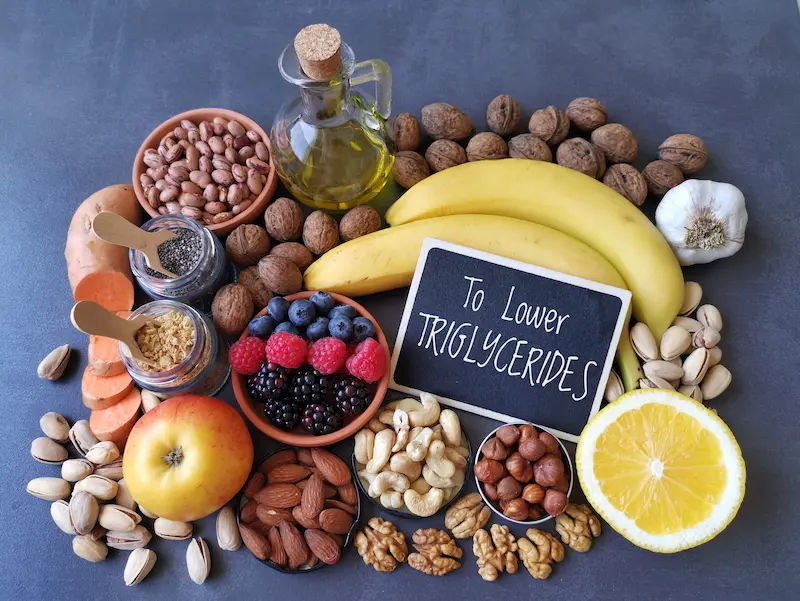



Disclaimer: Answers on Apollo 247 are not intended to replace your doctor advice. Always seek help of a professional doctor in case of an medical emergency or ailment.