

- female
- 30 Years
- 22/02/2023
Where does the egg go if the fallopian tubes are blocked?
More Endocrinology Health Queries
View allI'm really concerned about my mother's thyroid test results and was hoping you could help me understand them. Her T3 reading is 2.79 ngml, T4 is 22.1 ugdl, and TSH is 0.015 uIUml. Does this mean there's something wrong with her thyroid? Also, we did a sugar test, and her fasting glucose level was 118, and post meal it was 175. Is this enough to diagnose diabetes? I'm worried and just want to make sure we're taking the right steps.
Visit your Physician for appropriate management
Answered by 1 Apollo Doctors
I've been on Glimiprex MF 1500 for a while now, but over the past three days, my blood sugar levels have been normal, even without taking the medication. I'm not using any other medicine to control my sugar. Can you help me understand what's possibly going on?
continue the same medication
Answered by 1 Apollo Doctors
I'm four days past my embryo transfer and still not feeling any symptoms. Is this normal? I've been really careful about taking my meds and going for walks. Shouldn't I be experiencing something by now? Can you give me some insight into what's going on?
No question is stupid when it comes to health concerns. _Can an ant enter the vagina?_ 1. _Possible but rare_: While it's unlikely, an ant can potentially enter the vagina if it's present in the genital area. 2. _Vaginal anatomy_: The vagina has a narrow opening and a self-cleaning mechanism, making it difficult for ants to enter. _Possible effects if an ant enters the vagina_ 1. _Discomfort or itching_: You might experience mild discomfort, itching, or a crawling sensation. 2. _Infection risk_: If the ant carries bacteria, there's a small risk of infection, such as bacterial vaginosis. 3. _Allergic reaction_: Some people might be allergic to ant venom, which could cause an allergic reaction. _What to do if you suspect an ant has entered your vagina_ 1. _Stay calm_: Panicking can increase discomfort. 2. _Take a warm bath_: Soaking in a warm bath can help relax the muscles and potentially flush out the ant. 3. _Avoid using harsh products_: Refrain from using scented soaps, douches, or other products that can disrupt vaginal pH. 4. _Consult a healthcare provider_: If you experience persistent discomfort, itching, or suspect an infection, consult a healthcare provider for guidance. Remember, it's highly unlikely for an ant to enter the vagina, and most cases resolve on their own without complications.
Answered by 1 Apollo Doctors
Health Articles for you
View all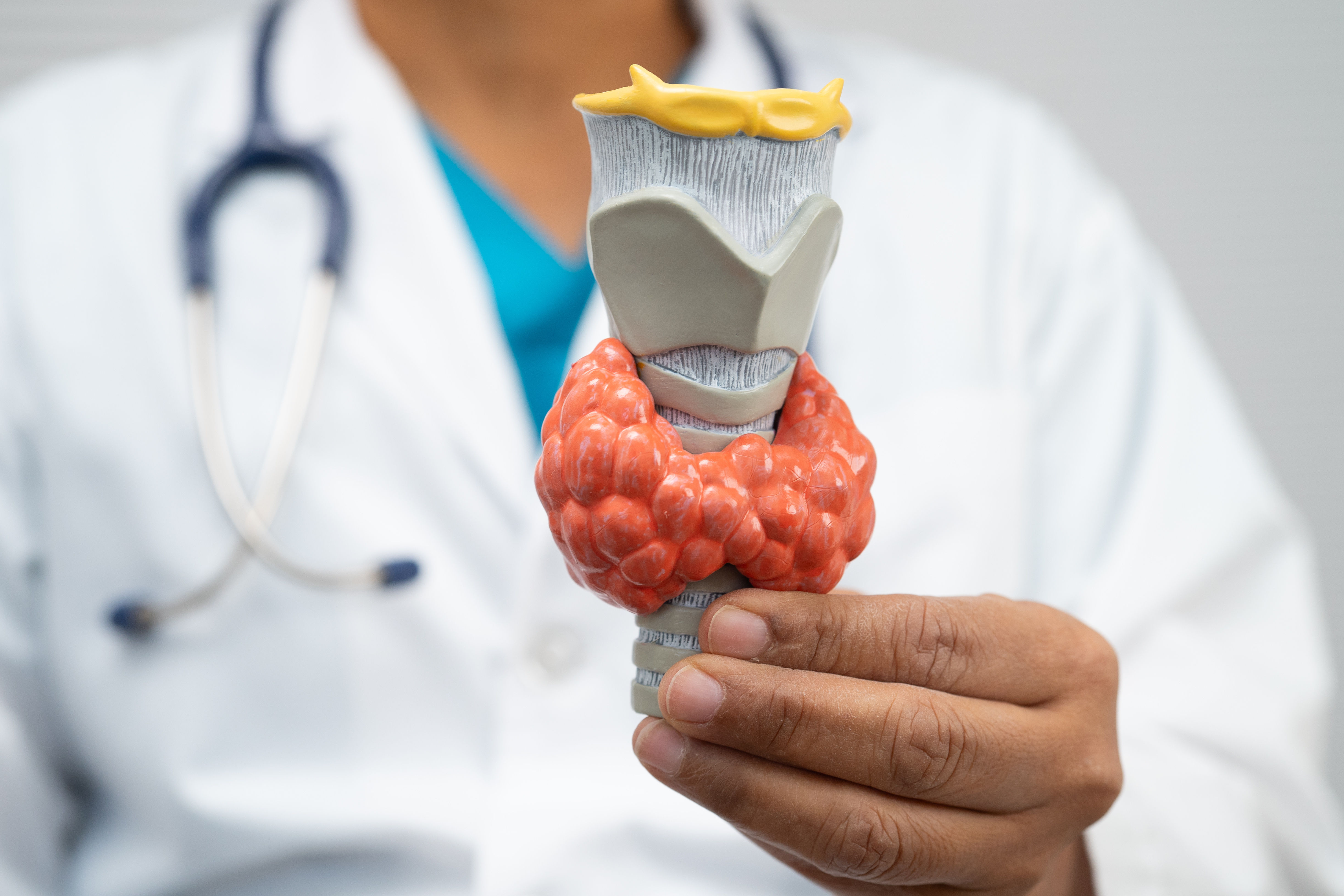




Disclaimer: Answers on Apollo 247 are not intended to replace your doctor advice. Always seek help of a professional doctor in case of an medical emergency or ailment.