


- female
- 35 Years
- 22/01/2025
I've got a 12cm fibroid in my uterus, and Im really worried about having to go through surgery. Are there any medicines or other treatments out there that could help shrink it instead?

Answered by 1 Apollo Doctors

yes there are medicines to reduce size and symptoms
Dr. Chandra Suggests...
Consult a Obstetrician and Gynaecologist
Answered 04/07/2025
0
0

More Obstetrics & Gynaecology Health Queries
View allI'm a bit worried because I had a D&C procedure just for a scan to check for any remains after two weeks. Then I had to repeat it with the suction method. Is it normal that I haven't gotten my period yet and it's been almost three weeks? Am I safe?
Based on your description, it seems like you underwent a dilation and curettage (D&C) procedure followed by a repeat procedure using suction. It is normal for your menstrual cycle to be irregular or delayed after such procedures. However, if you are concerned about the delay in receiving your menses, you should consult your healthcare provider for further evaluation. They may prescribe medications such as Medroxyprogesterone (Provera) to help induce your period.


Answered by 1 Apollo Doctors
What are the causes of irregular periods?
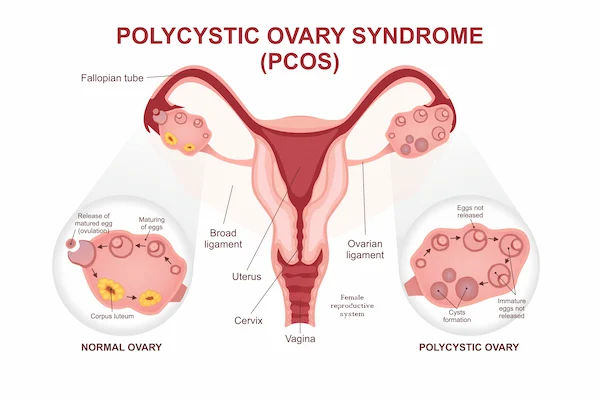
Few causes of irregular periods are stress, weight gain or loss, uterine polyp or fibroid, endometriosis, pelvic inflammatory disease, PCOS, premature ovarian insufficiency, thyroid disorder.
Answered by 1 Apollo Doctors
I'm 35 weeks pregnant and having twins, and I'm 30 years old. I've been dealing with really bad itching and redness on my belly for the past 10 days, and it's especially rough at night because I can't sleep at all. My LFT came back with high levelsAlkaline phosphatase is at 346 IUL, G.P.T. is 105.2 IUL, and another one is 101.4 IUL. I'm taking Udiliv 150 three times a day, but it's not helping. I'm worried about what's causing this and if there's any risk to my babies. What should I do?
Your symptoms and elevated liver enzymes suggest intrahepatic cholestasis of pregnancy (ICP), a condition that can increase the risk of preterm birth, fetal distress, and stillbirth; consult your obstetrician to discuss the best course of action, which may include switching to ursodeoxycholic acid (UDCA) or adding antihistamines or topical creams to alleviate itching, and closely monitoring fetal well-being and liver function to ensure the health and safety of both you and your twins.
Answered by 1 Apollo Doctors
Health Articles for you
View all



Disclaimer: Answers on Apollo 247 are not intended to replace your doctor advice. Always seek help of a professional doctor in case of an medical emergency or ailment.