


- female
- 45 Years
- 07/02/2025
I've been having this really awful chest pain for about a month now, and it sometimes feels like my heartbeat is a bit off. After doing a bunch of research, I think it might be esophageal spasms. I went to the ER twice, and they said my EKG and heart monitor were fine. My doctor gave me muscle relaxers, which help with the spasms, but I still cant shake this terrible feeling in my chest. My blood pressure seems okay, it's usually around 120 over 86. I keep feeling my pulse all down my chest and arms, and its been really hard to get any sleep. Could there be something else going on that Im missing?

Answered by 1 Apollo Doctors

That could be GERD avoid late night eating and consume bland diet and maintain healthy lifestyle.
Dr. Chandra Suggests...
Consult a Cardiologist
Answered 04/07/2025
0
0

More Cardiology Health Queries
View allI'm a 30-year-old male and last night, I suddenly experienced a spike in my blood pressure and heart rate. I was feeling restless for about 2-3 hours, and my blood pressure even hit 16090 with my heart rate jumping between 95-120 BPM. Even now, my heart rate feels a bit on the higher side, around 90-100 BPM. I'm using a mobile app to monitor these, so I'm not entirely sure how accurate they are. Also, I've got a mild issue with kidney stones, specifically oxylate stones, and they give me some abdominal pain even though nothing showed up on the ultrasound. Should I be worried about these symptoms, or do you think they're related to my kidney stones?
It sounds like you may be experiencing symptoms of anxiety or a panic attack, which can cause a sudden increase in blood pressure and heart rate. However, given your history of kidney stones and abdominal pain, it's important to monitor your symptoms closely. To help manage your symptoms, you can consider taking a beta-blocker medication such as Metoprolol (50mg) to help lower your heart rate and blood pressure. Additionally, practicing relaxation techniques such as deep breathing or mindfulness meditation may also be beneficial in reducing anxiety levels. It's important to follow up with your healthcare provider for a proper evaluation and management plan, especially considering your history of kidney stones. Regular monitoring and follow-up are essential in your case.


Answered by 1 Apollo Doctors
Can a young person really die from hypertension? I'm super anxious because whenever I get anxious, my heart starts racing and I worry it might lead to a sudden cardiac arrest. Is that something I should be concerned about?
Hypertension can lead to serious health complications if left untreated, including an increased risk of heart disease, stroke, and kidney damage. While it is rare for a young person to die directly from hypertension, it is important to manage and control high blood pressure to prevent long-term complications. Anxiety itself does not directly cause hypertension, but it can contribute to temporary spikes in blood pressure. It is important to address and manage anxiety to prevent these spikes and reduce the risk of complications. In your case, managing anxiety may help reduce your heart palpitations and lower the risk of sudden cardiac arrest. To help manage your anxiety and reduce the risk of complications, you can consider speaking with a healthcare provider about potential treatment options. Additionally, practicing relaxation techniques, regular exercise, and maintaining a healthy lifestyle can also help improve your overall well-being.
Answered by 1 Apollo Doctors
I'm experiencing this tingling sensation in the center of my chest every other day. There's no pain, but it feels like something is crawling there. Can you tell me what might be causing this and if I should be concerned?
nothing to panic just wash it poperly
Answered by 1 Apollo Doctors
Health Articles for you
View all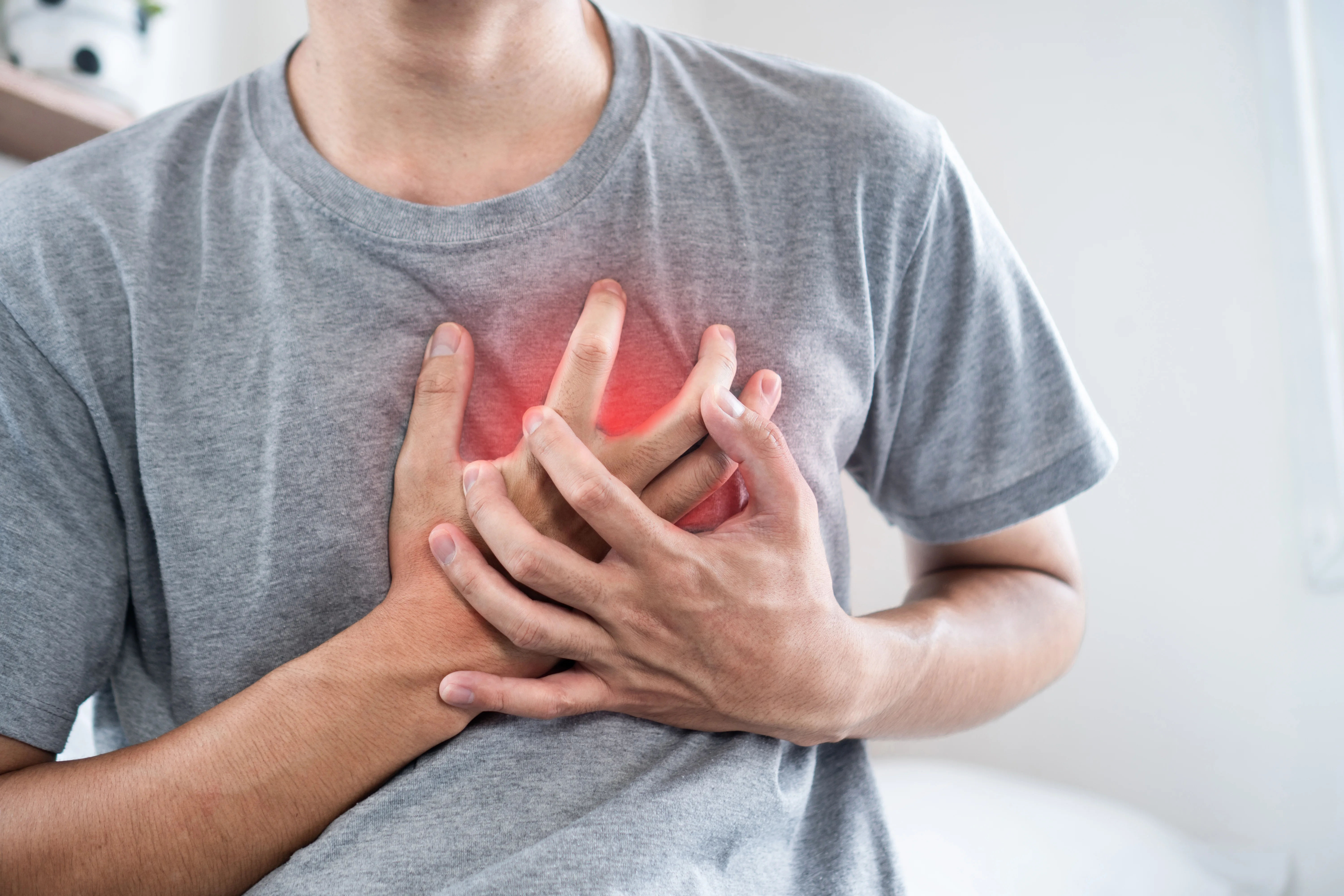

Disclaimer: Answers on Apollo 247 are not intended to replace your doctor advice. Always seek help of a professional doctor in case of an medical emergency or ailment.