


- Male
- 27 Years
- 29/01/2025
I'm trying to figure out if there's a connection between height and the size of the ascending aorta. Like, for someone who's 6 feet tall and weighs 74 kg, what would be considered a normal size for the ascending aorta? Is there a direct link between these measurements?

Answered by 1 Apollo Doctors

For a 6 ft person weighing 74kg, the normal ascending aorta size is typically around 2.1 to 3.7 cm in diameter. There is a weak positive correlation between height and ascending aorta diameter, meaning that taller individuals may have slightly larger ascending aortas. However, this correlation is not strong enough to be used as a reliable predictor of aorta size.
Dr. Dhankecha Suggests...
Consult a Cardiologist
Answered 04/07/2025
0
0

More Cardiology Health Queries
View allI'm really worried about using the ziverdo kit for someone who's already taking a mix of medications, like 5mg of warfarin, 500mg of hydroxyurea, ciplar la 40, and 88mcg of thyroxin. Do you think it's safe to go ahead with the kit, or could there be some complications with these meds?
yes you can use it


Answered by 1 Apollo Doctors
I'm 25 and recently got vaccinated, but I've started having chest pains and trouble breathing. My ECG shows something called a left anterior hemiblock. Is this something serious? What should I do about it?
Left anterior hemiblock is a condition where there is a delay in the electrical signal conduction in the heart. In most cases, it is not considered a serious issue, especially in young individuals like yourself. However, since you are experiencing chest pains and breathing issues after vaccination, it is important to monitor your symptoms closely. To address the chest pains and breathing issues, you can take over-the-counter pain relievers like acetaminophen for the chest pain and practice deep breathing exercises to help with breathing. It is also important to stay hydrated and get plenty of rest. In terms of the left anterior hemiblock, it is recommended to follow up with a cardiologist for further evaluation and management. They may suggest monitoring your heart rhythm regularly and making lifestyle modifications such as regular exercise and a healthy diet. If necessary, they may prescribe medications like beta-blockers to help regulate your heart rate. Overall, it is important to stay in touch with your healthcare provider and seek medical attention if your symptoms worsen or if you have any concerns.
Answered by 1 Apollo Doctors
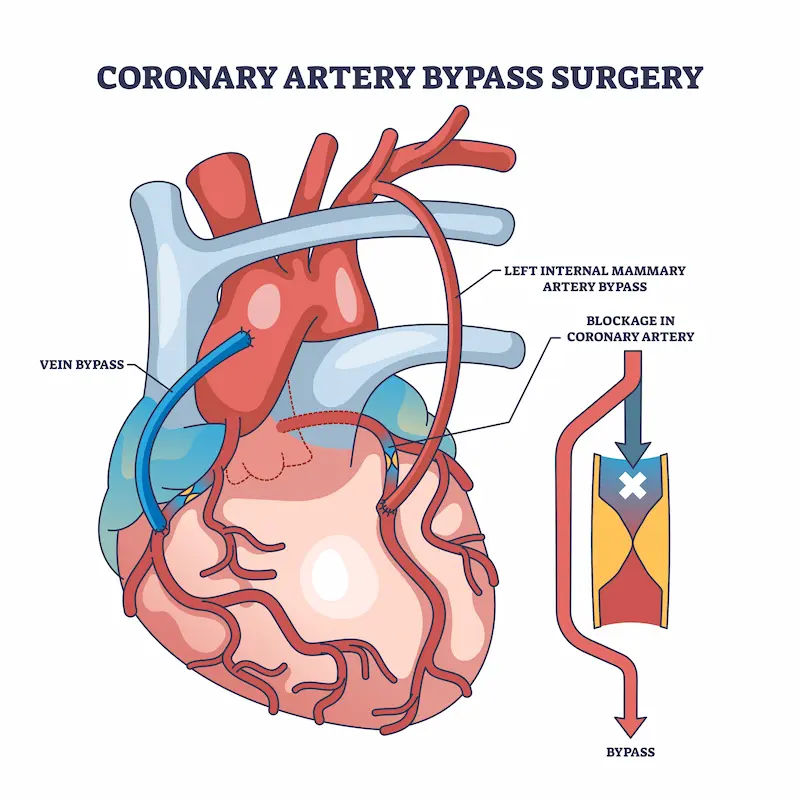
I'm really worried about my dad's health. He's been diabetic since 2003 and had a CABG in 2008. He's got moderate LVF dysfunction and was in and out of the hospital in 2015 and early 2016 because of pulmonary edema. He's also dealing with hypothyroidism and recently his serum creatine levels increased, so he's on a renal diet and taking a bunch of meds for diabetes, insulin, heart, and thyroid. Lately, since January 2016, he's losing weight and gets short of breath really easily, like after walking just 10-15 meters. His latest blood tests showed low potassium, so the doc gave him a tonic for that. But now he's feeling weak and says he can't taste his food right sometimes. I'm at a loss herehow can we improve his health condition?
Your father's health condition is complex, but based on the symptoms described, it seems like he may be experiencing symptoms of electrolyte imbalance, which could be contributing to his weakness and altered taste sensation. In addition to the tonic for increasing potassium, I would recommend adding a potassium supplement such as Slow-K (Potassium Chloride) to help normalize his serum potassium levels. The usual dosage is 20 mEq to 40 mEq daily, but this should be adjusted based on his specific needs and blood test results. To address his shortness of breath and symptoms of heart failure, his doctor may consider adding or adjusting medications such as Lasix (Furosemide) to help reduce fluid buildup in the lungs and improve breathing. The dosage will depend on his current medication regimen and kidney function. For his thyroid condition, ensuring that he is taking his thyroid medication regularly and having regular follow-ups with his endocrinologist is important to optimize his thyroid hormone levels. Given his history of diabetes, heart issues, and kidney problems, it's crucial for his healthcare team to closely monitor his kidney function and adjust his medications as needed to prevent further complications. Overall, it's important for your father to continue following his renal diet, taking his medications as prescribed, and attending regular follow-up appointments with his healthcare providers to manage his multiple health conditions effectively.
Answered by 1 Apollo Doctors
Health Articles for you
View all


Disclaimer: Answers on Apollo 247 are not intended to replace your doctor advice. Always seek help of a professional doctor in case of an medical emergency or ailment.