


- female
- 67 Years
- 07/02/2025
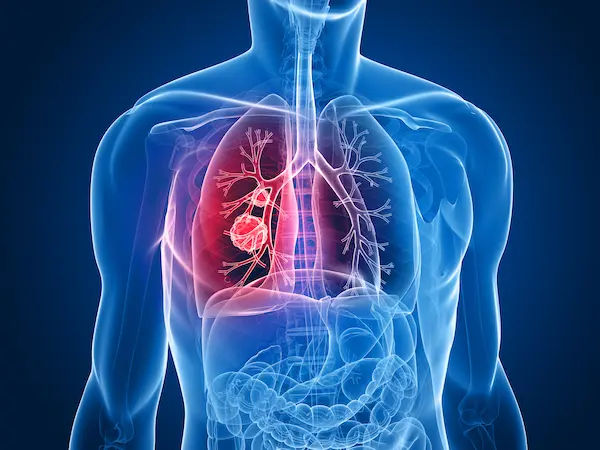
I'm really worried and just looking for some clarity here. My mom, who's 67 and used to smoke but quit for years, had a bad case of COVID-19 with pneumonia early in 2021. After recovering, her CT scans showed a ground glass opacity, and later a Koch's lesion, but they said it was just post-COVID fibrosis and didn't need treatment. She's had a very mild dry cough that lasted for about a year and a half. Recently, in June 2022, we found out through an X-ray and CT scan that she has a 3cm lung mass in the apical segment of her right upper lobe. The scan also showed surrounding interlobular septal thickening, ground glass opacity, and bronchiectatic changes. The biopsy said it's small cell carcinoma, and it showed up as active on the PET scan. I'm really trying to understand if this cancer could have developed because of the post-COVID fibrosis since the mass is around the ground glass opacity, or if they're just unrelated. We're already starting treatment, but I'd really appreciate some insight on whether there's a connection or not.

Answered by 1 Apollo Doctors

covid is not related to cancer
Dr. Anshul Suggests...
Consult a Oncologist
Answered 04/07/2025
0
0

More Oncology Health Queries
View allMy dad was diagnosed with a tumor and the doctor said surgery isn't an option. He's barely eating anything and the doctor mentioned it's hard to treat. What can we do to help him feel better or improve his appetite?
oncologist opinion.


Answered by 1 Apollo Doctors
my mom just finished surgery and chemo for stage 1 breast cancer - what fruits and veggies are best for her to eat during recovery? trying to figure out what will help her heal and stay strong
During recovery from breast cancer surgery and chemotherapy, incorporating nutrient-rich fruits and vegetables is crucial for healing and boosting the immune system. Focus on colorful produce, including dark leafy greens, deep yellow and orange vegetables, and citrus fruits, which are packed with vitamins and minerals. These foods can also help manage some of the side effects of cancer treatment
Answered by 1 Apollo Doctors
I'm really worried because my wife has been getting this pain in her breast, more often on the left side. What kind of specialist should we see about this?
I'm sorry to hear about your wife's discomfort. It's best to consult a **breast specialist or a general surgeon** to evaluate the pain. They can assess her symptoms, conduct necessary tests, and guide her further.
Answered by 1 Apollo Doctors
Health Articles for you
View all
.webp)
Disclaimer: Answers on Apollo 247 are not intended to replace your doctor advice. Always seek help of a professional doctor in case of an medical emergency or ailment.