- Male
- 21 Years
- 22/01/2025
I'm having trouble sleeping for the past few days. I keep waking up in the middle of the night because I can feel my abdomen pulsating and my heart racing. It's making me really anxious. Could this be happening because of how I'm sleeping, or is it something to do with starting the gym a couple of weeks ago? I notice my abdomen pulsating every time I look, but I don't feel any pain in my chest or abdomen. Is this normal?
More Cardiology Health Queries
View allI'm a bit worried about my recent ECG results showing sinus bradycardia and incomplete RBBB. Can you help me understand what these terms mean? I've been feeling a bit more tired than usual lately; could this have anything to do with it? Should I be looking into more tests or checkups to make sure everything's alright with my heart? Its just a bit unsettling not knowing what to expect.
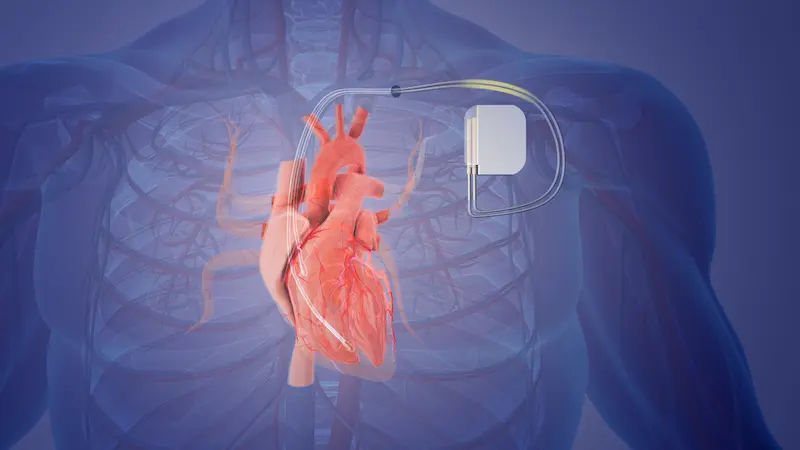
Sinus bradycardia is a condition where the heart beats at a slower rate than normal, typically less than 60 beats per minute. It is caused by the sinus node in the heart sending electrical signals at a slower pace. Incomplete right bundle branch block (RBBB) is a condition where there is a delay in the electrical signal conduction in the right bundle branch of the heart. Symptoms of sinus bradycardia may include dizziness, fatigue, lightheadedness, confusion, shortness of breath, and chest pain. Incomplete RBBB may not cause any symptoms on its own, but it can be associated with underlying heart conditions. Further tests that may be required for sinus bradycardia and incomplete RBBB include an electrocardiogram (ECG) to confirm the diagnosis, a Holter monitor to monitor the heart's electrical activity over a period of time, an echocardiogram to assess the heart's structure and function, and possibly a stress test to evaluate the heart's response to physical activity. For sinus bradycardia, if symptoms are severe or if the heart rate drops too low, a medication like Atropine or Isoproterenol may be prescribed. In cases where bradycardia is persistent and symptomatic, a pacemaker implantation may be necessary. For incomplete RBBB, treatment is usually focused on managing any underlying heart conditions that may be causing the conduction delay. Medications like beta-blockers or calcium channel blockers may be prescribed to help regulate the heart's electrical activity. Remember, it is important to follow up with a healthcare provider for proper evaluation and management of these conditions.
Answered by 1 Apollo Doctors
I'm curious if heart angioscopy can diagnose all heart issues. Can it detect problems with both valves and arteries? I'm really anxious to know.
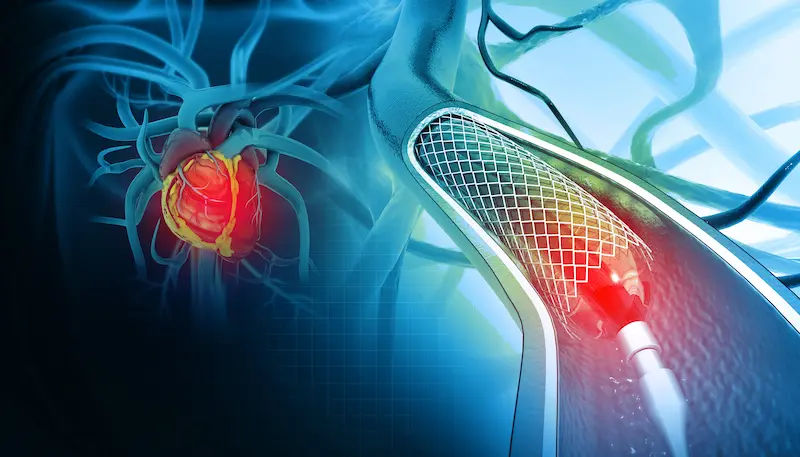
In heart angiography, doctors can visualize the blood flow in the coronary arteries to check for blockages or narrowing that may indicate coronary artery disease. However, heart angiography does not directly assess heart valve problems. To evaluate heart valve problems, doctors may use other tests such as echocardiography.
Answered by 1 Apollo Doctors
I'm experiencing some persistent chest pain, and it's been going on for over two months now. It feels like a pinching pain right in the middle of my chest, but sometimes it shifts to the right or left side. There are also times when my heart starts beating really fast. I've had an ECG, echo, and TMT done, and all the results came back normal. I'm still feeling this pain and it's quite unsettling. Could you help me figure out what might be going on or suggest what I should do next?
it sounds like you may be experiencing symptoms of non-cardiac chest pain. Since your ECG, echo, and TMT results are normal, the chest pain may not be related to your heart. One common cause of such symptoms could be acid reflux or GERD. I recommend trying over-the-counter antacids like Tums or Rolaids to see if it helps with the chest pain. Additionally, you can try taking a proton pump inhibitor like Omeprazole 20mg once daily before breakfast to reduce stomach acid production. If the symptoms persist, you may need to consult a gastroenterologist for further evaluation and management. It's also important to avoid trigger foods like spicy, fatty, or acidic foods. Remember to follow up with your healthcare provider if the symptoms continue."
Answered by 1 Apollo Doctors
Disclaimer: Answers on Apollo 247 are not intended to replace your doctor advice. Always seek help of a professional doctor in case of an medical emergency or ailment.


.webp)