


- Female
- 30 Years
- 22/01/2025
I'm a bit concerned right now. Over the past few months, my follicular scans showed my endometrium thickness was in good range, over 6mm or even 7.75mm. But this month, it dropped to just 4.8mm. My thyroid profile looks normal with TSH, T3, and T4 levels, according to my doctor. But my antithyroglobulin and anti-TSH antibodies are really high. My doctor said I don't need meds for that, but when I went to an infertility center, they gave me Thyronorm to take every morning on an empty stomach. I'm worried if this condition is affecting my fertility or chances of getting pregnant. Could the thyroxine sodium be making my endometrium thinner? Should I even take it? Also, I'm curious if taking Estrogen Estradiol Valerate from day 5 of my period and Progesterone Duphaston from the 15th day will help thicken my endometrium and improve my chances of getting pregnant. What do you think?

Answered by 1 Apollo Doctors

Elevated anti-thyroglobulin and anti-TSH antibodies may indicate autoimmune thyroiditis, potentially affecting fertility and pregnancy; taking Thyronorm (thyroxine sodium) as prescribed by the infertility center may help regulate your thyroid function and improve fertility, despite your normal TSH, T3, and T4 levels; the medication might also contribute to the temporary thinning of your endometrium; to promote endometrial growth, your doctor's recommendation of Estradiol Valerate from Day 5 and Duphaston from Day 15 of your cycle may be beneficial, but closely monitor your endometrial thickness and adjust the treatment plan as needed.
Dr. Dhankecha Suggests...
Consult a Endocrinologist
Answered 04/07/2025
0
0

More Endocrinology Health Queries
View allI'm really worried about my thyroid test results. My TSH is at 2.5 and T3 is at 1.5, but my T4 level is pretty high at 17.2. Does this mean there might be a problem with conceiving?
I understand your concern for your mother's recurring mouth ulcers. Considering her condition, it's essential to consult a specialist, such as an oral pathologist or an oral medicine expert. Possible underlying causes: - Autoimmune disorders (e.g., lichen planus) - Nutritional deficiencies (e.g., vitamin B12) - Chronic stress - Hormonal imbalances Advanced treatments: - Biopsy to determine the underlying cause - Immunosuppressive medications - Laser therapy - Natural remedies like aloe vera, turmeric, or coconut oil Don't lose hope; a proper diagnosis and personalized treatment plan can help manage her condition.


Answered by 1 Apollo Doctors
Can diabetics eat wheat chapati?
Yes, eating whole wheat chapati is a better alternative than white rice. Wheet is low glycemic index, better source of fiber, protein and also keeps one's stomach full for longer.
Answered by 1 Apollo Doctors
Does type 2 diabetes cause weight loss?
Yes, unintentional weight loss is one of the symptoms of Diabetes mellitus.
Answered by 1 Apollo Doctors
Health Articles for you
View all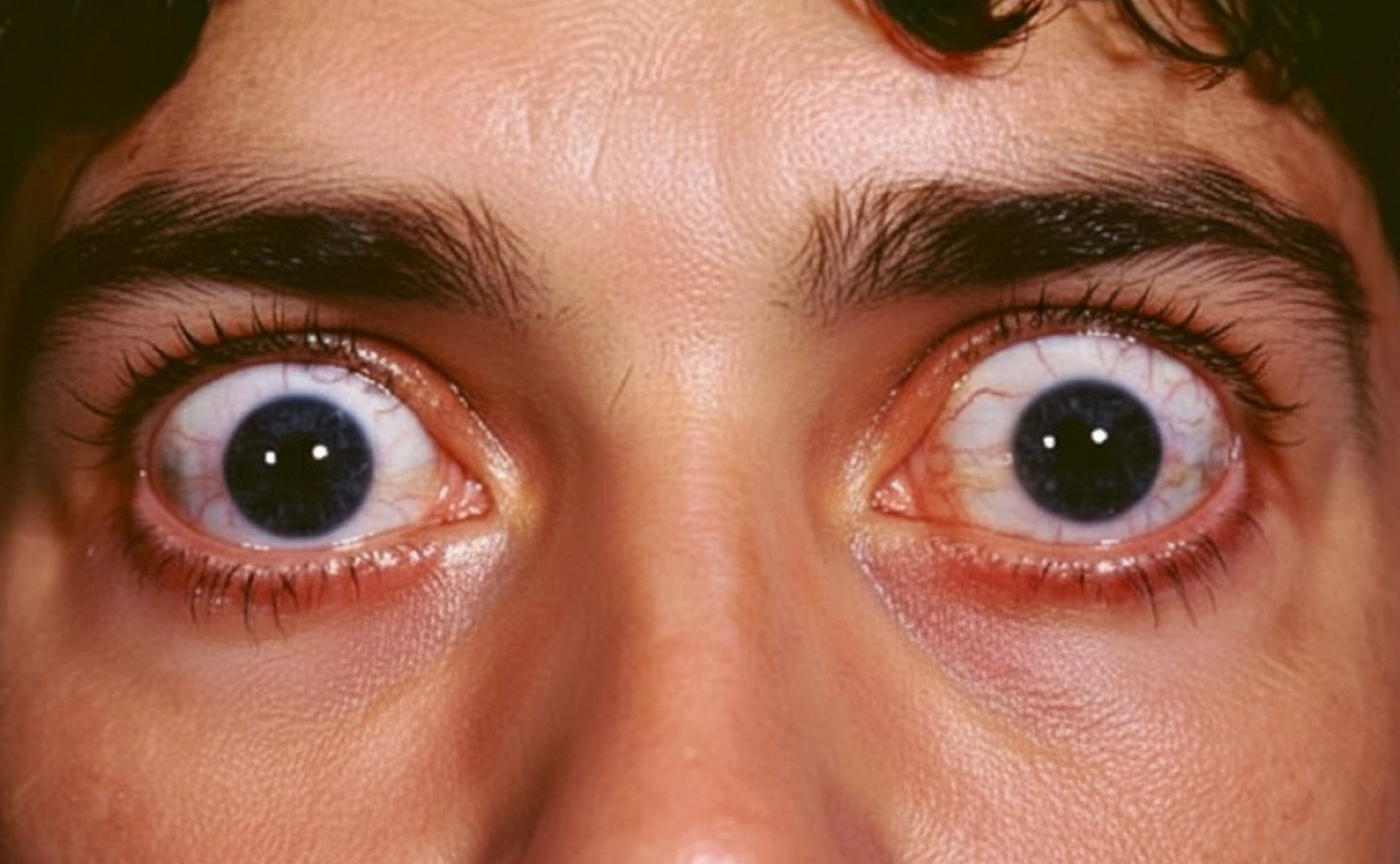
.webp)


Disclaimer: Answers on Apollo 247 are not intended to replace your doctor advice. Always seek help of a professional doctor in case of an medical emergency or ailment.