apollo
  • male
  • 30 Years
  • 22/01/2025

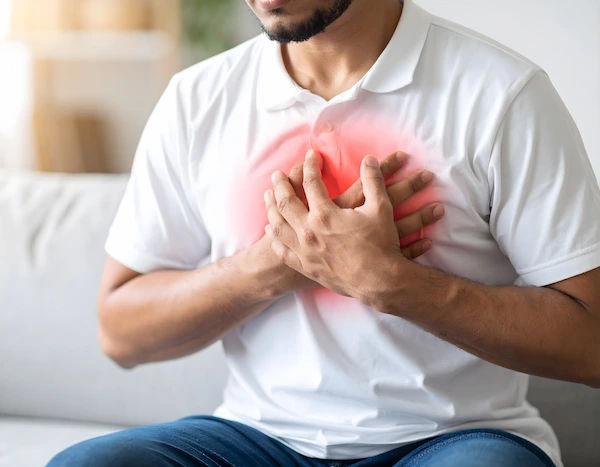
I'm always having chest pain, and it's weird because it gets worse when I'm sitting but seems to get better with walking, exercising, or lying down. This usually kicks in after sitting for over 2 hours at my office. It's been going on for a while now. Can anyone help figure out what might be going on?

Doctor 1

Answered by 1 Apollo Doctors

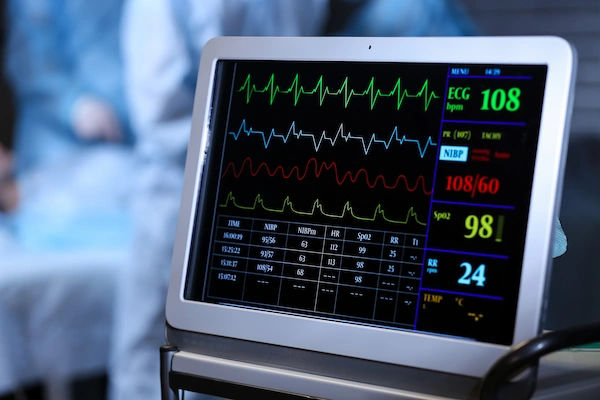
Ecg and chest x-ray pa view is advised to the patient.

Dr. Mubarak Suggests...

Consult a Cardiologist

Answered 04/07/2025

0

0

Sick? Talk to a doctor now

More Cardiology Health Queries

View all

I'm experiencing these brief episodes of chest pain that just last a few seconds and then vanish. It's weird because my breathing feels fine, and my heart rate doesn't seem to speed up. I found out a while back that I have a small VSD, and my last echo six months ago was normal. Can you help me figure out what might be causing this?

"Hello, based on your description of experiencing chest pain for a fraction of seconds without any difficulty in breathing or increased heart rate, and considering your small ventricular septal defect (VSD) with a normal echocardiogram 6 months ago, this chest pain may be related to musculoskeletal issues or anxiety rather than a cardiac cause. To alleviate your symptoms, you can take over-the-counter pain relievers like acetaminophen (Tylenol) as needed for chest discomfort. Additionally, practicing relaxation techniques or deep breathing exercises may help reduce any anxiety-related chest pain episodes. If the chest pain persists or worsens, it is advisable to follow up with your cardiologist for further evaluation and management."

read more
Doctor 1Doctor 2

Answered by 1 Apollo Doctors

I'm really confused about this whole ventricular tachycardia situation. At first, they thought I needed an ICD implant, but after more tests like echo, angiography, and X-ray at SGPGI Lucknow, they said my heart looks fine and don't recommend the implant anymore. I'm worried because they still haven't figured out what's causing my irregular heartbeat. What could be going on, and what should I do next?

The cause of ventricular tachycardia can be multifactorial, and sometimes it may not be easily identified. Some possible causes include coronary artery disease, cardiomyopathy, electrolyte imbalances, structural heart defects, or certain medications. In some cases, it may be idiopathic, meaning no specific cause can be found. To further investigate the cause of your irregular heartbeat, additional tests may be needed such as a Holter monitor to record your heart's electrical activity over a period of time, an electrophysiology study to evaluate the heart's electrical system, or genetic testing if there is a suspicion of an inherited condition. In terms of treatment, if the cause of the ventricular tachycardia is not identified, management may involve medications such as beta-blockers or antiarrhythmic drugs to help control the heart rhythm. Lifestyle modifications such as avoiding triggers like caffeine or alcohol, managing stress, and regular exercise may also be beneficial. It is important to follow up with your healthcare provider regularly to monitor your condition and adjust treatment as needed based on your symptoms and test results.

read more
Doctor 1Doctor 2

Answered by 1 Apollo Doctors

I've been experiencing this tightness in my chest whenever I do surya namaskaram and, for the past two days, I've been having frequent burping and indigestion. Sometimes when I breathe, there's this pain on the left side of my chest. A few months back, I had an ECG done, and the doctor said it was normal. I've been doing yoga for a month now, and I'm just wondering if this is something serious? How do you think it can be treated?

You may be experiencing symptoms of acid reflux or gastroesophageal reflux disease (GERD), which can cause chest tightness, frequent burping, indigestion, and chest pain. It is good that your ECG was normal, but it is still important to address your symptoms. You can try over-the-counter antacids like Tums or Rolaids to help with the indigestion and chest pain. Additionally, you can take medications like omeprazole (Prilosec) or ranitidine (Zantac) to reduce stomach acid production. It is also helpful to avoid spicy, fatty, or acidic foods, eat smaller meals, and avoid lying down right after eating. If your symptoms persist or worsen, it is important to follow up with your doctor for further evaluation and management.

read more
Doctor 1Doctor 2

Answered by 1 Apollo Doctors

Disclaimer: Answers on Apollo 247 are not intended to replace your doctor advice. Always seek help of a professional doctor in case of an medical emergency or ailment.