


- Female
- 28 Years
- 22/01/2025
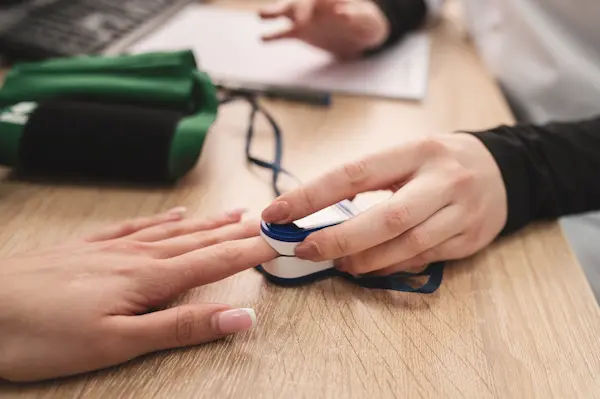
I'm a 28-year-old woman who works out regularly. My mom has a pulse oximeter at home and I decided to use it just for fun. When I was resting, my blood oxygen level was 99, but after a short run on the treadmill it went down to 86. My heart rate was only around 130. Usually, I work out a lot more intensely than I did during this test. I'm worried that I might unknowingly be harming my body. Do you think I should get this checked? If so, what kind of doctor would be best for evaluating this situation?

Answered by 1 Apollo Doctors

It's understandable to be concerned, but a drop in oxygen saturation during exercise, especially at high intensity, can happen, particularly if you're pushing your limits. I recommend seeing a pulmonologist or a cardiologist to evaluate your lung and heart function. They can conduct tests like a stress test or pulmonary function test to assess your oxygen levels and overall health during exertion.
Dr. Shubham Suggests...
Consult a Pulmonology Respiratory Medicine Specialist
Answered 04/07/2025
0
0

More Pulmonology/ Respiratory Medicine Health Queries
View allI've recently quit smoking, but I'm still dealing with a persistent cough and a constant flow of mucus. It's been a while since I stopped, and I'm concerned about why these symptoms aren't going away. Could you help me understand what's going on and what I should do next?
This needs evaluation visit Physician for the same


Answered by 1 Apollo Doctors
I'm really worried about my wife. She has a severe lung infection and her X-ray and CT scan reports show that her lungs are really damaged. The doctor mentioned something about her lungs being "sad gye hai." What does that mean exactly, and how serious is this situation? What are our next steps for treatment?
Tab augmentin duo 625mg ,orally ,thrice daily for 5 days advised to the patient.Also syrup salbutamol 10ml thrice daily for 7 days is advised to the patient.Steam inhalation is also advised twice
Answered by 1 Apollo Doctors
I'm feeling really anxious about some symptoms I've been experiencing. Lately, I've noticed I'm short of breath, especially when I'm trying to sleep. It's been accompanied by a whizzing sound, and I'm not sure what's causing it. Plus, I've realized that one of my ankles is swollen on the inside. Could these things be related? What might be going on?
do chest xray
Answered by 1 Apollo Doctors
Health Articles for you
View all


Disclaimer: Answers on Apollo 247 are not intended to replace your doctor advice. Always seek help of a professional doctor in case of an medical emergency or ailment.