


- male
- 50 Years
- 22/01/2025
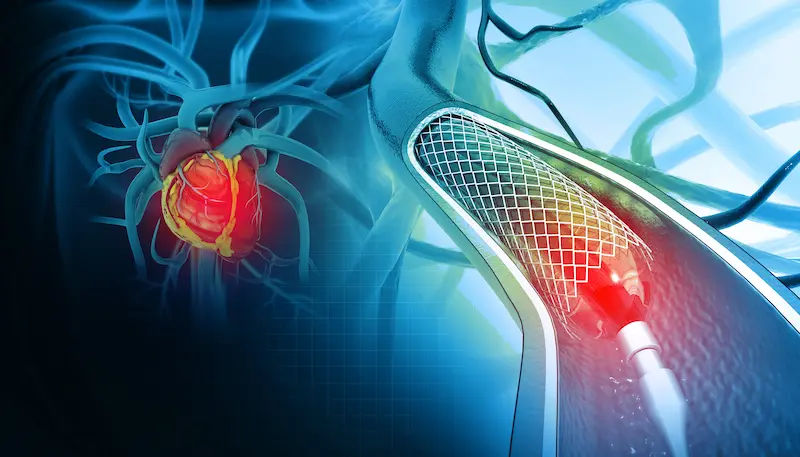
I recently had an angioplasty on March 12th, and I'm currently on medication. I'm wondering about having an alcoholic drinkcould I have beer or whiskey? What's your advice on that?

Answered by 1 Apollo Doctors

Alcohol and smoking cessation is advised..
Dr. Mubarak Suggests...
Consult a Cardiologist
Answered 04/07/2025
0
0

More Cardiology Health Queries
View allI'm taking Ecosprin 75 for my heart condition and lately, I've been having a lot of sinus issues. Could the Ecosprin be causing this? What should I do?
yes it is the side-effect of the medicine.
read more![Doctor 1]()
![Doctor 2]()


Answered by 1 Apollo Doctors
I'm looking at my 2D echo report and trying to understand a couple of things. It mentions there's no regional wall motion abnormality and that my LV systolic function is good with a normal filling pattern. I'm relieved that there's no MR, AR, or precardial effusion, and no clots were found, but it says there's trivial TR and mild PAH. Could you help me understand what mild PAH means? From what you see in my report, how should I feel about these results overall?
That not a matter of concern just consume healthy diet and maintain regular physical activity follow your doctors advice
read more![Doctor 1]()
![Doctor 2]()
Answered by 1 Apollo Doctors
I'm really worried about my husband's recent health tests. He had an ECG and a 2D echo at Manipal hospitals as part of a health package. When we looked at the reports at home, we noticed that the Doppler study mentions a mitral flow ea and a tr jet at 2.7ms with a 30mm gradient. The doctors there didn't mention anything unusual, but this feels concerning. He's had high blood pressure for years but it's now under control with lifestyle changes and he's stopped taking medication recently. His cholesterol is also high, with a total of 222, HDL at 39, and LDL at 159. I'm not sure what steps to take next. Should we consider an angiogram?
No need to worry they are optimum and no need to rush for any other investigations maintain healthy lifestyle and follow your doctors advice and regular follow ups with your doctor
read more![Doctor 1]()
![Doctor 2]()
Answered by 1 Apollo Doctors
Health Articles for you
View all


Disclaimer: Answers on Apollo 247 are not intended to replace your doctor advice. Always seek help of a professional doctor in case of an medical emergency or ailment.