


- male
- 60 Years
- 22/01/2025
I had a cardiac arrest back in 2007 and they found 25% blockage after an angiography at the hospital in Mumbai. Lately, for the last 15 days or so, I've been feeling weak pretty regularly. Had a Doppler and 2D echo test done in Jodhpur recently, and the doctor told me my heart is working at only 20%. I'm really concerned about this. What should I do next?

Answered by 1 Apollo Doctors

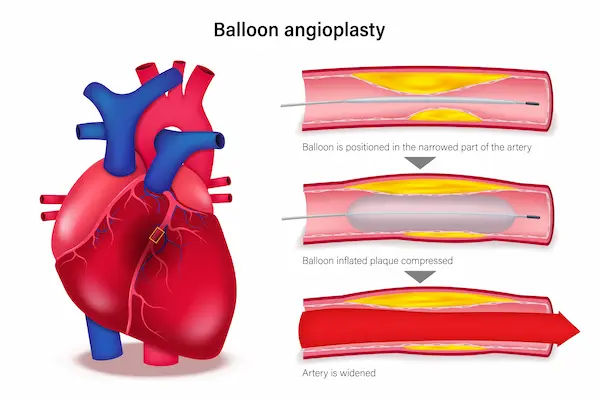
Angioplasty is advised and cardiac opinion
Dr. Ibrahim Suggests...
Consult a Cardiologist
Answered 04/07/2025
0
0

More Cardiology Health Queries
View allDoes lemon decreases blood presure?
Lemon if used in place of salt to flavour the dishes can help in decreasing blood pressure.


Answered by 1 Apollo Doctors
I'm a bit confused about how often someone should get a 2D Echo and ECG if they're feeling perfectly fine. Should it be done once a year or more? And what if someone starts showing symptoms; how does that change things? Would love to get a bit more clarity on this.
For a healthy person without any symptoms, it is generally recommended to do a 2D Echo and ECG once every 1-2 years for routine screening. However, if you are experiencing symptoms such as chest pain, palpitations, shortness of breath, or dizziness, it is important to consult with a healthcare provider for further evaluation and appropriate testing frequency.
Answered by 1 Apollo Doctors
I'm 35 and recently got some blood work done. My LDL is at 123, triglycerides are 100, and my cholesterol is 178. I'm pretty worried about the LDL number. Are these levels okay, or should I be concerned? Can you help clear up my doubt?
Based on the provided readings, your LDL level of 123 mgdL falls within the optimal range for LDL cholesterol (less than 100 mgdL is considered optimal). Your triglyceride level of 100 mgdL is also within the normal range (less than 150 mgdL is considered normal). Additionally, your total cholesterol level of 178 mgdL is within the desirable range (less than 200 mgdL is considered desirable). Overall, your lipid profile seems to be within normal limits. However, it is always important to consider other risk factors for heart disease and consult with your healthcare provider for a comprehensive evaluation.
Answered by 1 Apollo Doctors
Health Articles for you
View all_0.webp)



Disclaimer: Answers on Apollo 247 are not intended to replace your doctor advice. Always seek help of a professional doctor in case of an medical emergency or ailment.