How to Reduce PCOS Belly?
Learn how to reduce PCOS belly with effective strategies, including diet changes, exercise, stress management, and hormonal balance tips. Achieve a healthier weight and manage PCOS symptoms naturally.


PCOS (Polycystic Ovary Syndrome) is a common condition that affects many women, often during their reproductive years. One of the most challenging symptoms is weight gain, particularly around the belly. This isn’t just about appearance – it’s a serious health concern. Belly fat linked to PCOS can lead to other complications, like increased risk of type 2 diabetes and heart disease. Fortunately, there are plenty of ways to manage and reduce this belly fat, starting with understanding what causes it.
What Causes PCOS Belly?
PCOS belly fat doesn’t just happen because of diet or lack of exercise. It’s rooted in hormonal imbalances that influence how your body stores fat. There are a few key reasons why this type of weight gain occurs:
Hormonal Imbalances: One of the defining features of PCOS is an imbalance in hormones, particularly higher levels of androgens (male hormones). This imbalance can lead to fat accumulation around your belly. In addition, many women with PCOS have a higher level of estrogen, which also contributes to weight gain, especially around the waist.
Insulin Resistance: A significant number of women with PCOS experience insulin resistance, meaning their bodies don’t respond well to insulin. As a result, insulin levels rise, causing the body to store more fat, particularly in the abdominal area. This visceral fat (fat around your organs) can be harmful and lead to more severe health risks down the line.
Stress and Cortisol: Stress triggers the release of cortisol, often referred to as the "stress hormone." High cortisol levels have been linked to increased belly fat. Women with PCOS are more likely to struggle with stress, making it all the more important to find ways to manage it effectively.
Consult Top Gynaecologist and Obstetrician
Dietary Tips to Reduce PCOS Belly
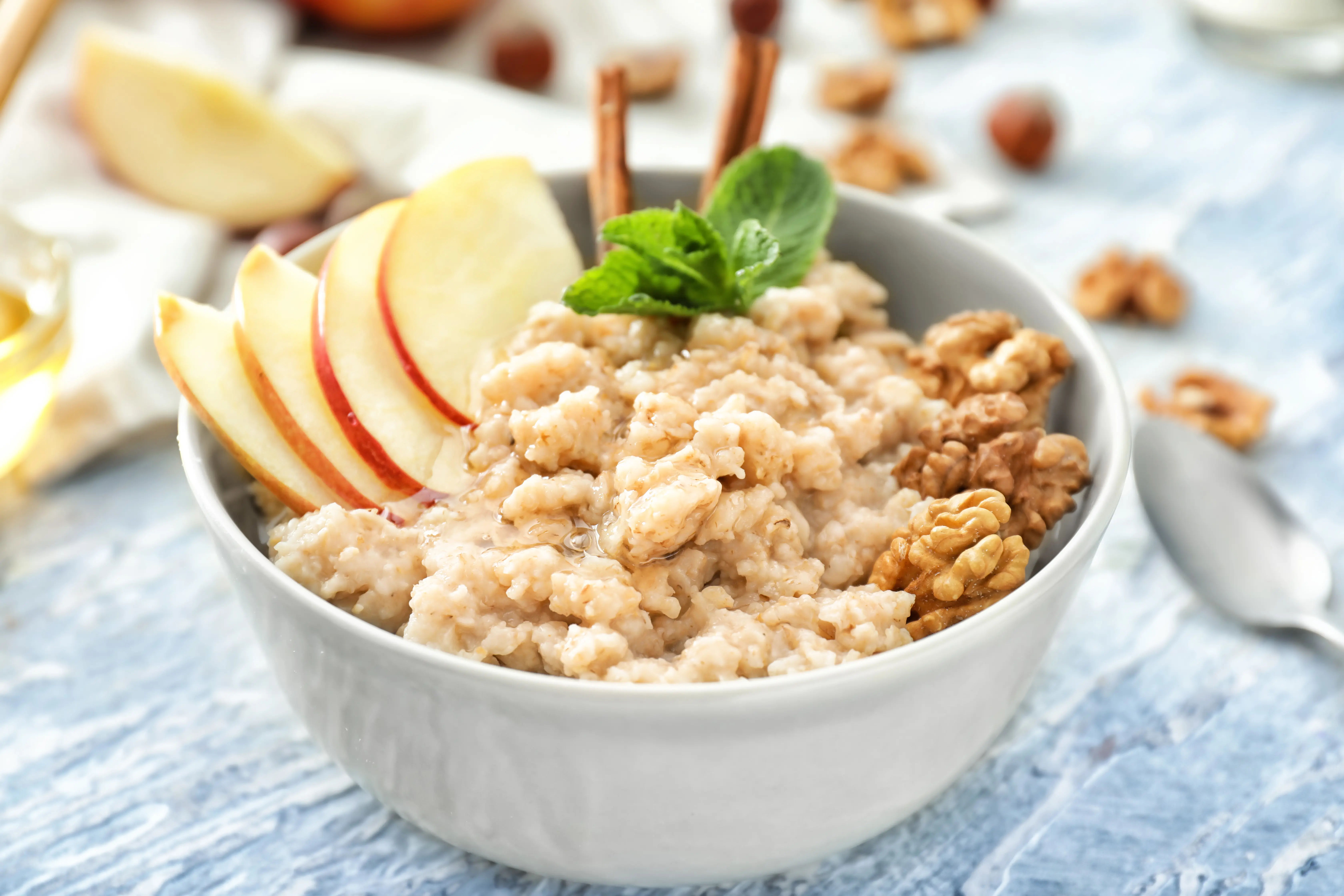
Eating the right foods can make a huge difference when it comes to managing PCOS belly fat. A balanced diet helps regulate hormones and insulin, while also providing your body with the nutrients it needs to function at its best. Here are a few dietary strategies that can help:
Include Low-Glycemic Foods: Low-glycemic foods, such as whole grains, legumes, vegetables, and fruits, have a slower effect on blood sugar levels. By keeping your blood sugar stable, you’re helping to reduce insulin resistance and, in turn, reducing belly fat.
Eat Fibre-Rich Foods: Foods high in fibre, like vegetables, fruits, beans, and whole grains, aid digestion and help maintain steady blood sugar levels. They also promote satiety, which can prevent overeating.
Healthy Fats Are Key: Don’t shy away from healthy fats found in foods like avocados, nuts, and fatty fish. Omega-3 fatty acids, in particular, can help reduce inflammation, which is often elevated in women with PCOS and can contribute to weight gain.
Lean Proteins: Incorporating lean proteins like chicken, tofu, beans, and fish into your diet can help regulate hormones and support muscle growth. Muscle burns more calories, even at rest, so increasing your muscle mass can help with weight management.
Hydration Matters: Staying hydrated not only helps keep your metabolism running smoothly, but it can also reduce bloating and support digestion. Drinking plenty of water throughout the day will help you feel full and prevent you from overeating.
Exercise: The Key to Reduce PCOS Belly Fat
Exercise is one of the most effective tools for managing PCOS and reducing belly fat. Not only does it help burn calories, but it also improves insulin sensitivity and boosts metabolism.
Cardio for Fat Loss: Aerobic exercises, like walking, running, swimming, or cycling, are great for burning fat. Aim for 150 minutes of moderate-intensity cardio every week. This can be broken down into smaller sessions that work for your schedule.
Strength Training to Boost Metabolism: Incorporating strength training into your routine is crucial. Building lean muscle mass helps you burn more calories throughout the day, even when you're not working out. You don’t need to lift heavy weights – bodyweight exercises like squats, lunges, and push-ups can also be very effective.
HIIT for Quick Results: High-Intensity Interval Training (HIIT) alternates short bursts of intense exercise with recovery periods. It has been shown to be one of the best ways to burn fat, including belly fat. Plus, it doesn’t take up much time – 20-30 minutes of HIIT a few times a week can do wonders.
Consistency is Crucial: While intense bursts of exercise are helpful, consistency is more important. A regular exercise routine, even if it’s moderate in intensity, can help you maintain a healthy weight and keep your PCOS symptoms under control.
Medical Treatments and Support
Sometimes, lifestyle changes alone aren’t enough to address PCOS belly fat. Thankfully, there are medical options that can help manage the symptoms of PCOS and reduce belly fat:
Metformin
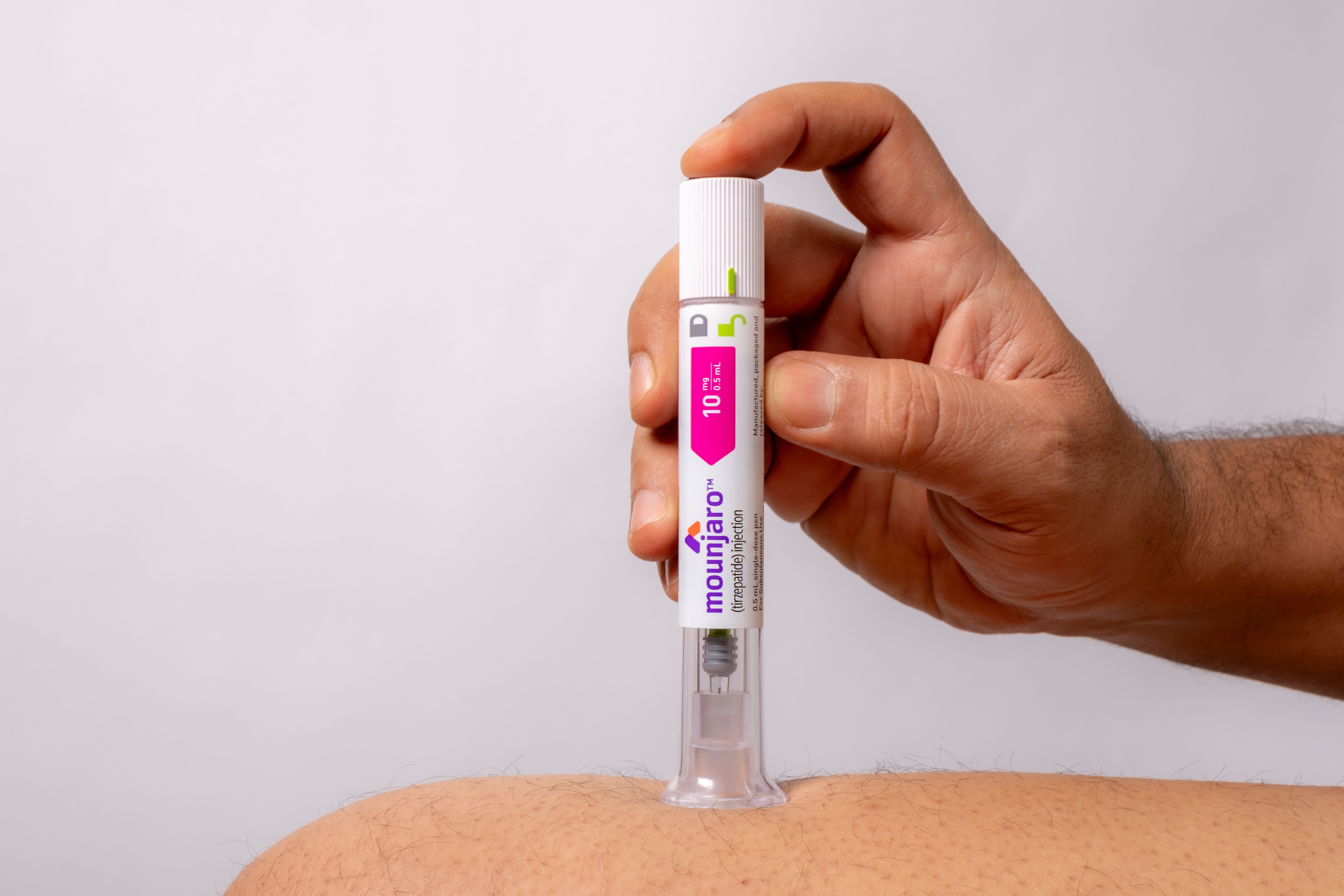
This medication is often prescribed to women with PCOS who struggle with insulin resistance. It can help improve insulin sensitivity and support weight loss.
Hormonal Birth Control
Birth control pills can regulate menstrual cycles and lower androgens, the hormones responsible for belly fat. This can be particularly helpful in managing symptoms like irregular periods, excess hair growth, and acne, alongside reducing belly fat.
Anti-Androgens
Medications like spironolactone are commonly used to reduce the levels of male hormones in women with PCOS. This can help with issues like excessive hair growth and abdominal fat.
Supplements
Some women with PCOS find that supplements like inositol (which helps with insulin resistance), magnesium, and vitamin D can support overall hormonal balance and make weight management easier. Always consult your doctor before taking any new supplements.
Lifestyle Changes That Make a Difference
Lifestyle factors like stress management, sleep, and social support play a significant role in managing PCOS belly fat. Here’s how they can help:
Manage Stress
Chronic stress increases cortisol, which encourages the body to store fat in the abdominal area. To reduce stress, try mindfulness techniques, yoga, or meditation. Even taking a walk outside can help clear your mind and reduce cortisol levels.
Improve Sleep
Getting enough quality sleep is crucial for managing insulin levels and hormones. Poor sleep can worsen insulin resistance, making it harder to lose belly fat. Aim for 7-9 hours of sleep each night, and try to stick to a regular sleep schedule.
Social Support
Connecting with others who have PCOS can provide emotional support and motivation. Whether through online forums or support groups, sharing your experiences with others who understand can make the journey to managing PCOS more manageable and less isolating.
Conclusion
Reducing PCOS belly fat is not just about appearance – it’s about improving your overall health. By addressing the root causes of belly fat, such as insulin resistance and hormonal imbalances, and incorporating a balanced diet, regular exercise, and medical support, you can successfully manage PCOS symptoms and reduce belly fat.
Take small steps every day – whether it’s making healthier food choices, being consistent with exercise, or finding ways to manage stress. It’s a journey, and while there may be challenges along the way, each step forward is progress toward a healthier, happier you.
Consult Top Gynaecologist and Obstetrician
Consult Top Gynaecologist and Obstetrician

Dr. Vineet Mishra
Infertility Specialist
36 Years • MD, Phd, DSc
Ahmedabad
Apollo Hospitals - Gandhinagar, Ahmedabad, Ahmedabad
Dr. Asawari Kesari Kapoor
Obstetrician and Gynaecologist
23 Years • M.B.B.S, D.G.O(Mumbai) ,D.G.O (C.P.S), D.N.B (OBGY)
Delhi
Apollo Hospitals Indraprastha, Delhi

(25+ Patients)

Dr. Millie Dasgupta
Obstetrician and Gynaecologist
10 Years • MBBS,DNB (Obst. & Gynae.)
Kolkata
MCR SUPER SPECIALITY POLY CLINIC & PATHOLOGY, Kolkata

Dr. Dershana P Rajaram
Obstetrician and Gynaecologist
35 Years • MBBS, DGO
Bangalore
Apollo Clinic Bellandur, Bangalore

Dr. Barsha Subhadarshine
Obstetrician and Gynaecologist
5 Years • MBBS,MS (Obst. & Gynae.)
Kolkata
VDC Clinic, Kolkata
Consult Top Gynaecologist and Obstetrician
Dr. Vineet Mishra
Infertility Specialist
36 Years • MD, Phd, DSc
Ahmedabad
Apollo Hospitals - Gandhinagar, Ahmedabad, Ahmedabad
Dr. Asawari Kesari Kapoor
Obstetrician and Gynaecologist
23 Years • M.B.B.S, D.G.O(Mumbai) ,D.G.O (C.P.S), D.N.B (OBGY)
Delhi
Apollo Hospitals Indraprastha, Delhi
(25+ Patients)
Dr. Millie Dasgupta
Obstetrician and Gynaecologist
10 Years • MBBS,DNB (Obst. & Gynae.)
Kolkata
MCR SUPER SPECIALITY POLY CLINIC & PATHOLOGY, Kolkata
Dr. Dershana P Rajaram
Obstetrician and Gynaecologist
35 Years • MBBS, DGO
Bangalore
Apollo Clinic Bellandur, Bangalore
Dr. Barsha Subhadarshine
Obstetrician and Gynaecologist
5 Years • MBBS,MS (Obst. & Gynae.)
Kolkata
VDC Clinic, Kolkata