



- male
- 50 Years
- 10/05/2022
Why is hypertension a risk factor for diabetes?

Answered by 1 Apollo Doctors

Hypertension might not cause Diabetes directly but increases the risk. People with high blood pressure usually have insulin resistance leading to Diabetes compared to those with typical blood pressure.
Dr. Kareemulla Suggests...
Consult a Cardiologist
Answered 04/07/2025
0
0

More Cardiology Health Queries
View allI'm a bit confused about my blood pressure readings. When I'm lying down, my BP usually stays under 12080. But when I sit up, it changes to somewhere between 13095 and 140100. I'm currently taking Telma, and I'm just wondering if these lying-down readings are reliable or if I should focus on the sitting-up ones. Do you think I need to change my dose, or does it seem like my blood pressure is under control based on the lying-down numbers?
It is important to monitor your blood pressure in different positions to get a comprehensive view of your overall blood pressure control. In your case, it seems like your blood pressure is well controlled when lying down but slightly elevated when sitting up. This could indicate that your current dose of Telma may not be fully controlling your blood pressure in all positions. I would recommend discussing this with your healthcare provider to consider adjusting your Telma dosage or exploring other treatment options to ensure that your blood pressure remains within a healthy range in all positions.


Answered by 1 Apollo Doctors
I'm a bit concerned about my dad's blood pressure readings. He's 61 and has high blood pressure, so he's been on medication. Recently, during a check-up, his readings were 90 and 126. But here's the thing thats puzzling me his blood pressure was higher in his right arm than his left by about 10 points. I'm really curious about what could cause this difference. Is it something we should be worried about?
This difference in blood pressure between arms is known as inter-arm blood pressure difference. It can be caused by various factors such as differences in blood vessel stiffness, blockages, or narrowing in the arteries of one arm compared to the other. It can also be due to conditions like atherosclerosis or peripheral artery disease. To address this issue, it is important to consult with your father's healthcare provider for further evaluation and management. In terms of medication, he can continue taking his high blood pressure medication such as Losartan 50mg once daily to help control his blood pressure levels.
Answered by 1 Apollo Doctors
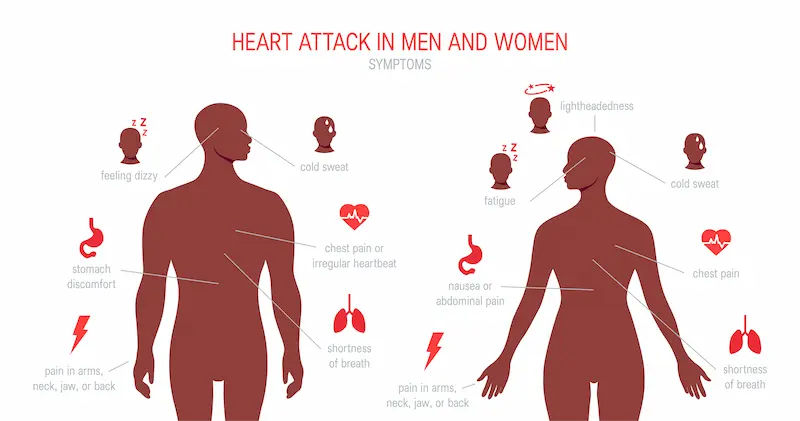
I'm having a lot of pain under my left breast, and sometimes it spreads to my back, neck, and arm. I'm on tolperitas D and GR 8, but I'm not really feeling any better. Should I be worried, or is there something else I can try? What could this pain mean?
The severe pain below the left breast, radiating to the back, neck, and arm, may indicate a musculoskeletal issue, costochondritis, or even a cardiac-related condition; given the ineffectiveness of Tolperis-D and GR-8, consider consulting a specialist, such as a cardiologist, gastroenterologist, or pain management specialist, for a thorough evaluation, including diagnostic tests like ECG, ultrasound, or MRI, to determine the underlying cause and develop an effective treatment plan.
Answered by 1 Apollo Doctors
Health Articles for you
View all



Disclaimer: Answers on Apollo 247 are not intended to replace your doctor advice. Always seek help of a professional doctor in case of an medical emergency or ailment.