


- female
- 30 Years
- 01/04/2021
Where do Migraine hurt?

Answered by 1 Apollo Doctors

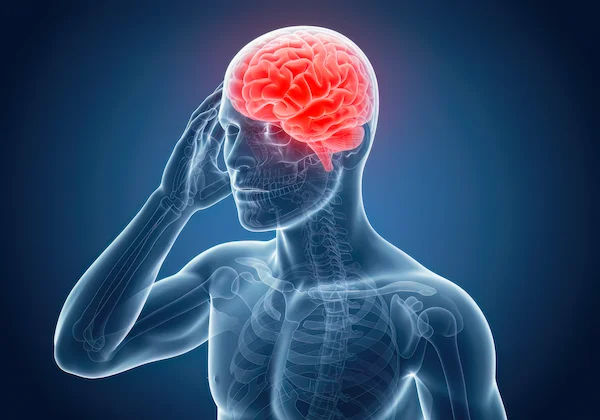
Pain usually on one side of your head, but often on both sides. Pain that throbs or pulses. Sensitivity to light, sound, and sometimes smell and touch.
Dr. Ibrahim Suggests...
Consult a Neurologist
Answered 04/07/2025
0
0

More Neurology Health Queries
View allI've been diagnosed with a slipped disc at L4 L5 S1 and have a lot of pain, especially shooting down my left leg. My doctor prescribed neorelax mr 8, gabanuron od, and gemcal along with exercises twice a day and ice packs. Will this treatment actually help me recover or should I consider surgery for this issue
Slip disc treatment with medications and physiotherapy may help; surgery is for cases with severe nerve compression or no improvement after 6–8 weeks.


Answered by 1 Apollo Doctors
I'm having this issue with dizziness, like when I get up from watching TV on the sofa, I feel really light-headed. It's been going on for about six months now. My diet seems fine, and I recently checked my blood pressure, which was 90 over 110, and they said that's normal. But if my blood pressure is okay, then what's causing this dizziness? I really need to figure out what's going on and how to treat it.
It sounds like you may be experiencing **orthostatic hypotension**, which is a sudden drop in blood pressure when standing up, causing dizziness. Even though your BP is within a normal range, this condition can still occur. Its important to stay hydrated, rise slowly from sittinglying positions, and avoid sudden movements. If the symptoms persist, I recommend consulting with a doctor to rule out other causes, such as inner ear issues or blood sugar imbalances.
Answered by 1 Apollo Doctors
I'm feeling a kind of tingling sensation and sometimes even a numb feeling on the left side of my upper lip. Is this something I should be concerned about, or is it common? What could be causing this?
consult neurophysician for the same
Answered by 1 Apollo Doctors
Health Articles for you
View all


Disclaimer: Answers on Apollo 247 are not intended to replace your doctor advice. Always seek help of a professional doctor in case of an medical emergency or ailment.