



- female
- 60 Years
- 29/01/2025
I've recently taken my mom for a health check-up, and her results showed that she's low on Vitamin B12 and Vitamin D. Her Vitamin B12 level is 133 pgml, and her Vitamin D is 12.5 ngml. I'm really concerned and would love to know what might be causing these deficiencies and what kind of treatments are available. Also, which type of specialist should we see to get this sorted out?

Answered by 1 Apollo Doctors

Vitamin B12 deficiency can be caused by poor diet, malabsorption issues, or certain medications, while vitamin D deficiency often results from inadequate sun exposure or poor dietary intake. Treatment typically involves supplements and dietary adjustments. It's best to consult a general physician or a specialist in nutrition or endocrinology for further guidance and treatment.
Dr. Ibrahim Suggests...
Consult a Endocrinologist
Answered 04/07/2025
0
0

More Endocrinology Health Queries
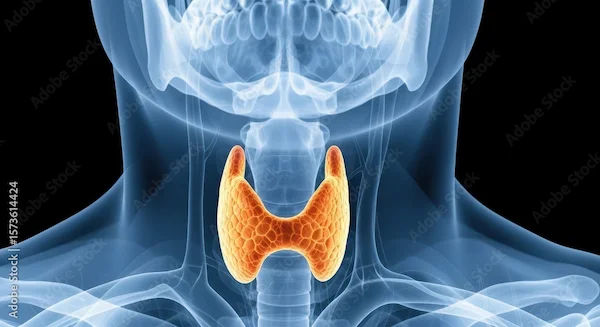
View allMy aunt has a swollen left lobe of her thyroid gland but her thyroid function tests are normal The doctor suggested a hemithyroidectomy to remove part of the left lobe I have the ultrasound report here - is surgery absolutely necessary or are there other options we should consider first
kindly share report


Answered by 1 Apollo Doctors
Can yoga help to cure type 1 diabetes mellitus?
Any form of physical activity including yoga can help in controlling of blood sugar levels but may not cure Diabetes mellitus entirely.
Answered by 1 Apollo Doctors
I'm dealing with a serious issue with my weight. I've been trying to shed some pounds, but even though I've been doing yoga, going for walks, and changing my eating habits, nothing seems to be working. It's really frustrating. Could you suggest a solution that might help me finally see some results?
Consume calory deficit diet continue physical activity and take adequate rest,give time for self care,you will be fine
Answered by 1 Apollo Doctors
Health Articles for you
View all


Disclaimer: Answers on Apollo 247 are not intended to replace your doctor advice. Always seek help of a professional doctor in case of an medical emergency or ailment.