


- male
- 45 Years
- 22/01/2025
I've got this digital automatic blood pressure machine, and whenever I check my BP, it keeps showing around 13292, averaging about 13090. I'm really curious about how I can get it to go down to 11575. I'm thinking being overweight might be part of the issue. Can you give me some advice on how to get my blood pressure to a normal range?

Answered by 1 Apollo Doctors

It is better advised to check the blood presssure with the mercury appartus rather than digital bp machine for accurate bp measurement results..
Dr. Anshul Suggests...
Consult a Cardiologist
Answered 04/07/2025
0
0

More Cardiology Health Queries
View allI've been thinking about getting an infrared heating panel, but I'm worried it might mess with my pacemaker because of the electromagnetic field. The company says it actually gives off less electromagnetic static than the sun, so it shouldn't be a problem. Should I be concerned about this?
Infrared heating panels typically emit low levels of electromagnetic fields, which are unlikely to interfere with a pacemaker. However, it is always best to consult with your cardiologist or healthcare provider for personalized advice. If you experience any unusual symptoms or concerns regarding your pacemaker while using the infrared heating panel, please seek medical attention promptly.


Answered by 1 Apollo Doctors
My heart sometimes beats really fast, like between 80 and 95 beats per minute. Does that sound normal? I'm feeling kind of scared about it, so can you help me understand what's going on?
A heart rate of 80 to 95 beats per minute can be considered normal for many individuals, especially during periods of physical activity or stress. However, if you are experiencing a consistently elevated heart rate at rest and are feeling anxious about it, it is important to monitor your symptoms and consult with a healthcare professional for further evaluation. In the meantime, you can try taking a beta-blocker medication such as Metoprolol at a dosage of 25mg to help lower your heart rate and reduce anxiety.
Answered by 1 Apollo Doctors
What should I do if my pulse is high?
There are multiple causes of high pulse, it can be due to Heart disease or Thyroid and needs evaluation.
Answered by 1 Apollo Doctors
Health Articles for you
View all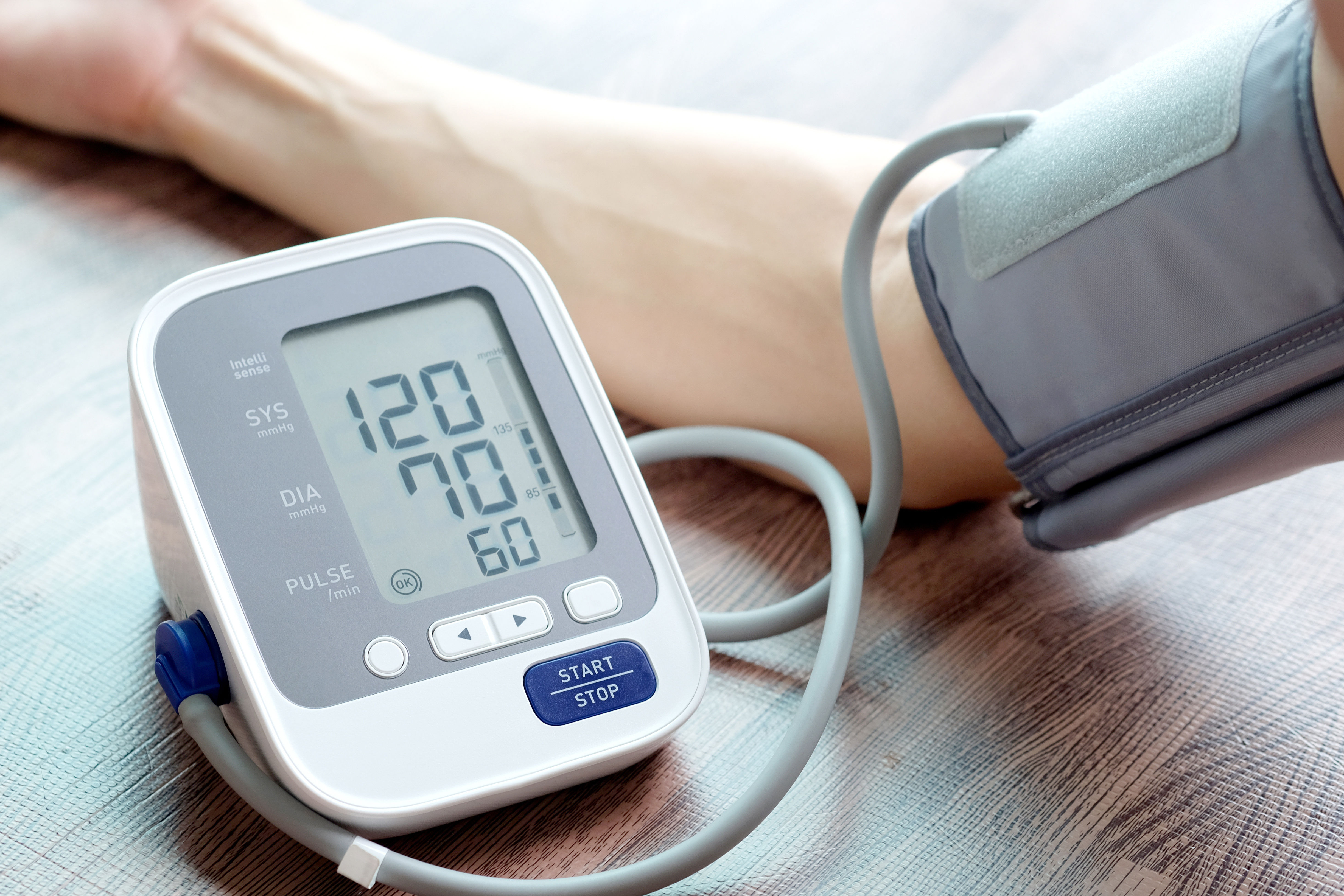



Disclaimer: Answers on Apollo 247 are not intended to replace your doctor advice. Always seek help of a professional doctor in case of an medical emergency or ailment.