


- Male
- 38 Years
- 22/01/2025
I've been having pain on the left side of my neck and shoulder for the past couple of weeks, and sometimes I feel some chest pain too. I went to the doctor and got an ECG, but it came back normal. I'm not sure what to do next. Should I see a cardiologist or maybe an orthopedic doctor? It's really starting to worry me, and I'd appreciate some advice on the next steps.

Answered by 1 Apollo Doctors

orthopaedic opinion is required
Dr. Ibrahim Suggests...
Consult a Cardiologist
Answered 04/07/2025
0
0

More Cardiology Health Queries
View allMy brother just went through open heart surgery last month, and now he's been battling pneumonia for two weeks. He's been admitted to the ICU due to breathing issues. They did an ECG and discovered his heart function is down to 24. I'm really worried, and I'm wondering if we could take him on an 11-hour flight to the USA to address this situation. What do you think?
severe heart dysfunction, pt needs cardiologist opinion .


Answered by 1 Apollo Doctors
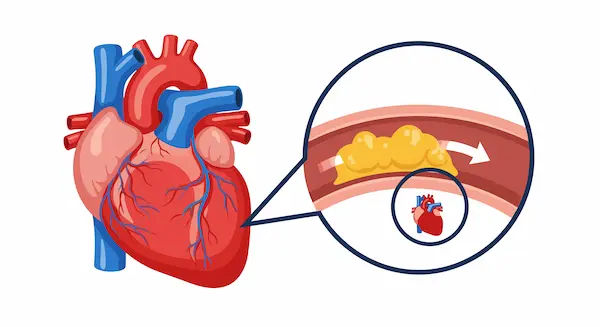
Earlier two heart blockages were found and now two more have been detected. I'm really confused would angioplasty be better or should I consider bypass surgery this time?
With four confirmed heart blockages, a discussion with your cardiologist about both angioplasty and bypass surgery is crucial. Bypass surgery is often favored when multiple blockages are present, especially if the left main coronary artery is involved. Angioplasty might be an option for less extensive blockages or if bypass surgery isn't feasible
Answered by 1 Apollo Doctors
I've been really worried about having a heart attack. I keep feeling symptoms like pain in my left hand, chest pain, dizziness, fatigue, shaking, fever, and even a cough. It's getting hard to focus on my daily activities because I'm always noticing these symptoms. I've done multiple testslike ECGs, an echo, a stress ECG test, a troponin test, and also an X-ray. My cholesterol has been checked twice too. All the results came back normal, but I still can't shake off the fear of having a heart attack. Why do I still feel this way despite all the normal test results?
It sounds like you are experiencing a lot of anxiety and fear related to the possibility of having a heart attack, despite multiple tests showing normal results. It's important to address your anxiety and stress levels in addition to your physical health. In your case, I would recommend a low dose of an anti-anxiety medication such as lorazepam (Ativan) 0.5mg to be taken as needed when you feel overwhelmed by these symptoms. Additionally, practicing relaxation techniques such as deep breathing exercises, meditation, and regular physical activity can also help manage your anxiety. Remember to consult with your healthcare provider before starting any new medication.
Answered by 1 Apollo Doctors
Health Articles for you
View all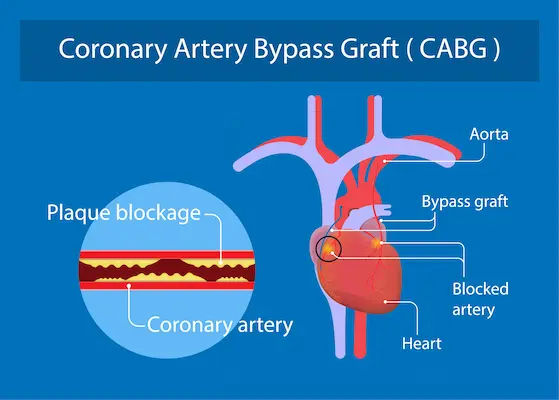


Disclaimer: Answers on Apollo 247 are not intended to replace your doctor advice. Always seek help of a professional doctor in case of an medical emergency or ailment.