


- Male
- 22 Years
- 22/01/2025
I've been having a hard time breathing when I'm lying down on either side. Could this be related to my lungs or heart? I'm feeling a bit worried. Can you give me some insight into what might be going on?

Answered by 1 Apollo Doctors

it might be due to either lung or heart cause, do chest xray it can rule out lung cause
Dr. Ibrahim Suggests...
Consult a Cardiologist
Answered 04/07/2025
0
0

More Cardiology Health Queries
View allI'm experiencing a sharp pain in my chest area that worsens when I breathe in, and it radiates into my back. I'm also having heart palpitations. Could you help me understand what's going on? I'm really worried about this.
It sounds like you may be experiencing symptoms of a heart condition. It is important to seek medical attention immediately. In the meantime, you can take Aspirin 325mg to help with any potential heart-related issues.


Answered by 1 Apollo Doctors
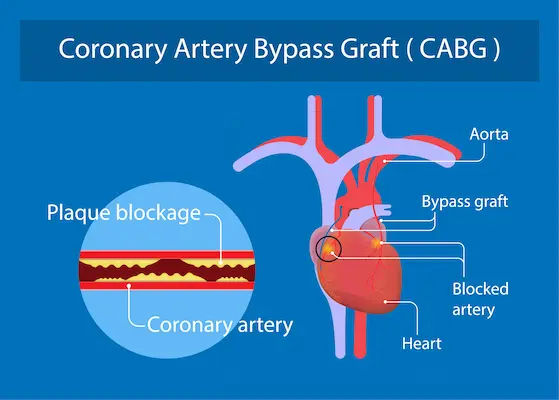
My father was just diagnosed with angiography and the doctors are suggesting an early CABG. I'm really worried and want to find the best hospital in Bangalore for this heart surgery can you help me figure out where to go?
yes ,cabg advised at apollo hospital.
Answered by 1 Apollo Doctors
I'm dealing with constrictive pericarditis and was admitted to Sri Satya Sai Hospital. They won't operate because my white blood cell count is low. They recommended getting my WBC up before they proceed with the surgery. Could you suggest how I can increase my WBC levels within 10-15 days?
To increase your WBC count, you can take Filgrastim (brand name Neupogen) at a dosage of 5-10 mcgkgday. This medication can help stimulate the production of white blood cells in your body. Additionally, you can also consider taking Granulocyte Colony-Stimulating Factor (G-CSF) medications such as Pegfilgrastim (brand name Neulasta) at a dosage of 6 mg per chemotherapy cycle. These medications can help boost your WBC count within the specified timeframe.
Answered by 1 Apollo Doctors
Health Articles for you
View all



Disclaimer: Answers on Apollo 247 are not intended to replace your doctor advice. Always seek help of a professional doctor in case of an medical emergency or ailment.