


- male
- 50 Years
- 22/01/2025
I've been having chest pain for the past few months, and sometimes it's on the left side as well. I've noticed it in my left hand too. It kind of comes and goes on its own. Could you suggest what might be going on or what steps I should take?

Answered by 1 Apollo Doctors

since you are very young ,less chances of cardiac arrest. take tablet zerodol ,if pain still persists ,do tropI test
Dr. Kareemulla Suggests...
Consult a Cardiologist
Answered 04/07/2025
0
0

More Cardiology Health Queries
View allI'm a 25-year-old male and have been having chest pain for the last three months, along with a pulling sensation in my left hand. I got ECG and TMT tests done two months ago, and they came back fine. But I still get this sudden sensation in my chest sometimes. My doctor mentioned it could be anxiety, and I'm really anxious about my health now. I've started yoga and meditation for the past couple of weeks, but the symptoms are still there. My palms and feet are sweating too, and the pain and pulling aren't constant. My blood pressure is normal, I don't have high cholesterol, and there's no family history of heart issues. What can I do to overcome this? Any suggestions would be appreciated.
Thats clearly anxiety disorder,visit Psychiatrist for a better treatment and counselling and also practice meditation and breathing excercises,take adequate rest and maintain healthy life style


Answered by 1 Apollo Doctors
I'm dealing with this chest pain that's right in the middle of my chest, and its been going on for the last two months. Sometimes its regular, sometimes its not. It gets really painful when I bend to pick something up from the ground, and the pain even shoots to my back. Can you help me out? What might be causing this?
Based on your symptoms, it is important to rule out any underlying heart condition. However, considering the pain worsening with movement, it could be musculoskeletal in nature. You can try taking Acetaminophen (Tylenol) 500mg every 6 hours as needed for pain relief. Additionally, you can apply a topical pain relief gel like Diclofenac (Voltaren) gel on the affected area. It is also advisable to avoid heavy lifting or strenuous activities that worsen the pain. If the pain persists or worsens, please consult a healthcare professional for further evaluation and management.
Answered by 1 Apollo Doctors
I've got a cholesterol overall level of 360, and I'm pretty worried about it. Can you help me figure out some ways to bring it down? I'm really looking to make some changes.
I recommend making lifestyle changes such as following a healthy diet low in saturated fats and cholesterol, exercising regularly, and maintaining a healthy weight. Additionally, you can consider taking a statin medication like Atorvastatin 40mg once daily to help lower your cholesterol levels. Remember to consult with your doctor before starting any new medication."
Answered by 1 Apollo Doctors
Health Articles for you
View all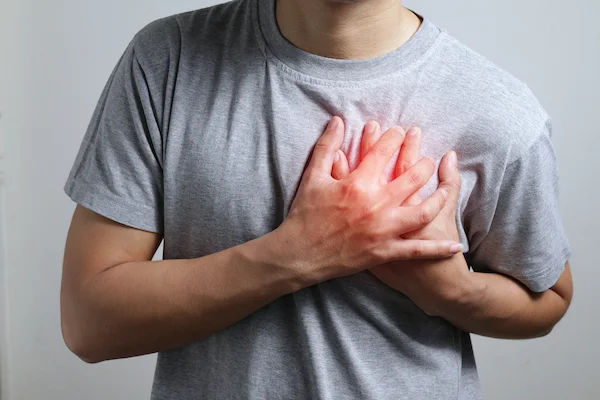

Disclaimer: Answers on Apollo 247 are not intended to replace your doctor advice. Always seek help of a professional doctor in case of an medical emergency or ailment.