


- female
- 30 Years
- 22/01/2025
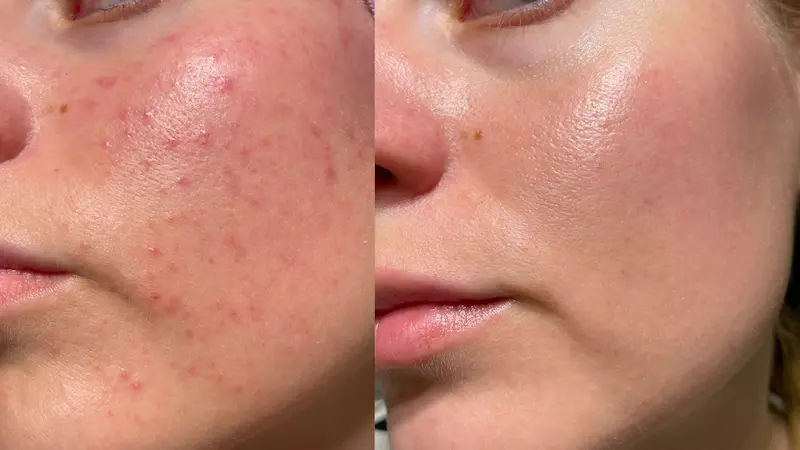
I've been feeling this pins and needles sensation in my sternum area, and it's like there's something inside my chest. Along with that, I've been super anxious lately, and I've noticed small whiteheads popping up on my face. I've had an X-ray doneI've got it attached here. I'm really trying to figure out what's going on with me. It's been so confusing and stressful. Any advice or insights?

Answered by 1 Apollo Doctors

Ecg and x-ray chest is advised to the patient.
Dr. Ranjith Suggests...
Consult a Dermatologist
Answered 04/07/2025
0
0

More Dermatology Health Queries
View allWhat happens if macular amyloidosis is left untreated? Are there any long-term complications I should be worried about? Could you give me some advice on this?
Macular amyloidosis is a rare skin condition characterized by the deposition of amyloid proteins in the skin, leading to hyperpigmentation and skin thickening. If left untreated, macular amyloidosis can lead to several long-term complications: Skin Complications 1. Persistent Hyperpigmentation: The condition can lead to permanent darkening of the skin, which can be cosmetically distressing. 2. Skin Thickening: Amyloid deposits can cause the skin to become thicker and more rigid, leading to reduced skin elasticity. 3. Skin Fragility: The skin may become more prone to tearing and bruising due to the amyloid deposits. Systemic Complications 1. Secondary Infections: Untreated macular amyloidosis can increase the risk of secondary bacterial or fungal infections. 2. Squamous Cell Carcinoma: Rarely, macular amyloidosis can increase the risk of developing squamous cell carcinoma, a type of skin cancer. 3. Systemic Amyloidosis: In rare cases, macular amyloidosis can be associated with systemic amyloidosis, a condition where amyloid deposits accumulate in various organs, such as the kidneys, heart, or liver. Quality of Life Complications 1. Emotional Distress: Macular amyloidosis can cause significant emotional distress due to its cosmetic impact. 2. Social Withdrawal: The condition can lead to social withdrawal and reduced self-esteem. 3. Impact on Daily Life: Macular amyloidosis can affect daily life, making everyday activities, such as bathing or dressing, challenging. Treatment Options While there is no cure for macular amyloidosis, various treatment options can help manage the condition and prevent long-term complications. These include: 1. Topical Corticosteroids: To reduce inflammation and amyloid deposits. 2. Topical Retinoids: To promote skin cell turnover and reduce amyloid deposits. 3. Laser Therapy: To reduce hyperpigmentation and promote skin rejuvenation. 4. Surgical Excision: In rare cases, surgical excision of affected skin areas may be necessary.


Answered by 1 Apollo Doctors
I'm really feeling overwhelmed because I've been dealing with Vitiligo for 12 years now, and nothing's working. I've tried homeopathy treatments but haven't seen any improvement. It's really frustrating. Is there something else I should be doing or a treatment that's better for managing this? I just want to understand my options and find something that might actually help.
Vitiligo can be challenging to cure, and homeopathy may not have been effective in your case; consider consulting a dermatologist to explore other treatment options, such as phototherapy (narrowband UVB), topical corticosteroids, immunomodulators, or skin grafting, which may help stabilize or repigment affected areas, and also discuss combination therapies and emerging treatments like JAK inhibitors.
Answered by 1 Apollo Doctors
I'm only 18, and I'm really worried because I'm facing pattern baldness at such a young age. I'm the only one among my peers with this V-shaped hairline; everyone else my age has a straight hairline. I feel like I'm odd one out and really don't know how to cope with this. Honestly, it makes me feel very self-conscious and upset. I'm aware that the usual treatments are things like propecia and rogaine, or finasteride and minoxidil, but I'm thinking about taking Dutasteride avodart instead. Could that be a good option for me? I'm just wondering if this will help or if there's something else I should consider. Any advice would be greatly appreciated.
Visit Dermatologist for appropriate help
Answered by 1 Apollo Doctors
Health Articles for you
View all


Disclaimer: Answers on Apollo 247 are not intended to replace your doctor advice. Always seek help of a professional doctor in case of an medical emergency or ailment.