


- Male
- 21 Years
- 22/01/2025
I've been feeling this heavy sensation and pressure on my chest, and it's making it hard to breathe. There's no actual pain, but it's definitely worrying me. What could be causing this shortness of breath? Should I be concerned?

Answered by 1 Apollo Doctors

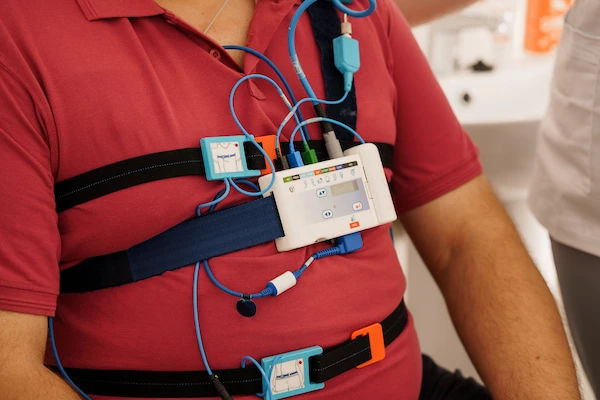
Ecg and x-ray chest pa view is advised to the patient.
Dr. Ranjith Suggests...
Consult a Cardiologist
Answered 04/07/2025
0
0

More Cardiology Health Queries
View allMy doctor recommended bypass surgery but I'm unsure if it's really necessary - what are the alternatives or things I should consider before going ahead with this procedure
Before undergoing bypass surgery, consider alternatives like percutaneous coronary intervention (PCI) (angioplasty with stenting) and Enhanced External Counterpulsation (EECP). Discuss your concerns and explore all options with your doctor and heart care team to determine the most appropriate course of action.


Answered by 1 Apollo Doctors
I'm having this weird chest pain that only happens when I take deep breaths. It's right in the middle of my chest and it really hurts when I breathe in. Could you tell me what's going on or what I should do?
x-ray chest pa view,complete blood count,esr,C-reactive protein ,IGE levels and sputum for AFB and microscopy is advised to the patient.
Answered by 1 Apollo Doctors
What should eat in high BP?
Citrus fruits, low fat milk, whole grains, nuts and legumes
Answered by 1 Apollo Doctors
Health Articles for you
View all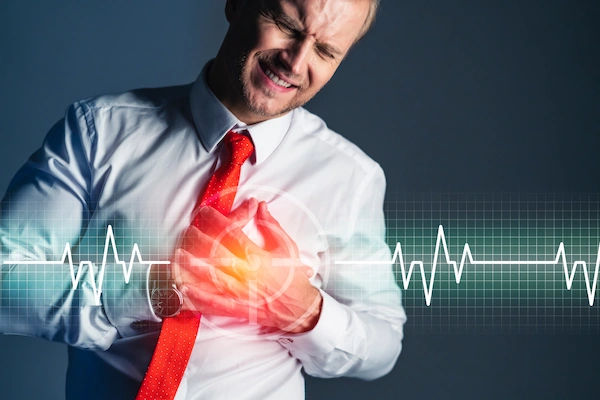


Disclaimer: Answers on Apollo 247 are not intended to replace your doctor advice. Always seek help of a professional doctor in case of an medical emergency or ailment.