


- Male
- 29 Years
- 07/02/2025
I've been experiencing this weird, sharp or cramping pain on the right side of my chest whenever I walk for a while, but it stops immediately after I stop walking. I've already gotten a chest X-ray and a sonography, and both came back normal. Do you have any idea what could be causing this?

Answered by 1 Apollo Doctors

take tablet movex mr , it might be a muscle spasm
Dr. Anshul Suggests...
Consult a Cardiologist
Answered 04/07/2025
0
0

More Cardiology Health Queries
View allI'm really worried about my dad's blood pressure. It's just not going down, even though he's taking Olmesar H 40 in the morning and Prolomate XL 50 at night. I came across something called Metocard AM and was wondering if it might be better for him than Prolomate XL 50. Also, do you think Prolomate XL 50 could lead to other health issues?
Metocard AM is a combination medication containing Metoprolol and Amlodipine, which can be effective in managing high blood pressure. In comparison to Prolomate XL 50, Metocard AM may be a better option for some individuals, but it ultimately depends on your dad's specific health condition and response to the medications. Prolomate XL 50 (Metoprolol) is generally well-tolerated, but like any medication, it can have side effects. While it is unlikely to cause "disease problems," common side effects of Metoprolol can include tiredness, dizziness, and slow heart rate. It is important to monitor for any unusual symptoms and consult with your healthcare provider if any concerns arise. It is recommended to discuss with your dad's healthcare provider or a pharmacist about the potential benefits and risks of switching to Metocard AM and to ensure the most appropriate treatment for his blood pressure management.


Answered by 1 Apollo Doctors
I'm really concerned about my dad's health right now. A couple of years ago, he had bypass surgery and brain stenting, and he's been doing okay since then. But I've noticed that his pulse rate sometimes jumps to somewhere between 55 and 58 while he's resting and it goes even higher, to about 70 or 80, when hes walking. When hes sitting, it mostly remains at 55 to 58, whereas it used to be above 65. His blood pressure is 11570, and hes on a few medications like metosartan 50, clopivas 150, atorva 40, and glycomet 500. Should I be worried about these changes? He's not showing any symptoms or anything, but with the ongoing corona situation, we're hesitant to rush to the doctor for an ECG. Could this be normal, or is it something we need to look into?
His pulse rate dropping to 55-58 while resting and 70-80 after walking, with most of the time sitting at 55-58, is slightly lower than usual. Given his medical history of bypass surgery and brain stenting, along with the medications he is currently taking (metosartan 50, clopivas 150, atorva 40, and glycomet 500), it is important to monitor his heart rate closely. Considering he is feeling fine with no other symptoms, it may not be an immediate cause for concern. However, it would be advisable to consult with his healthcare provider for further evaluation. In the meantime, you can consider discussing with his doctor about adjusting the dosage of metosartan 50 to help regulate his pulse rate within a normal range.
Answered by 1 Apollo Doctors
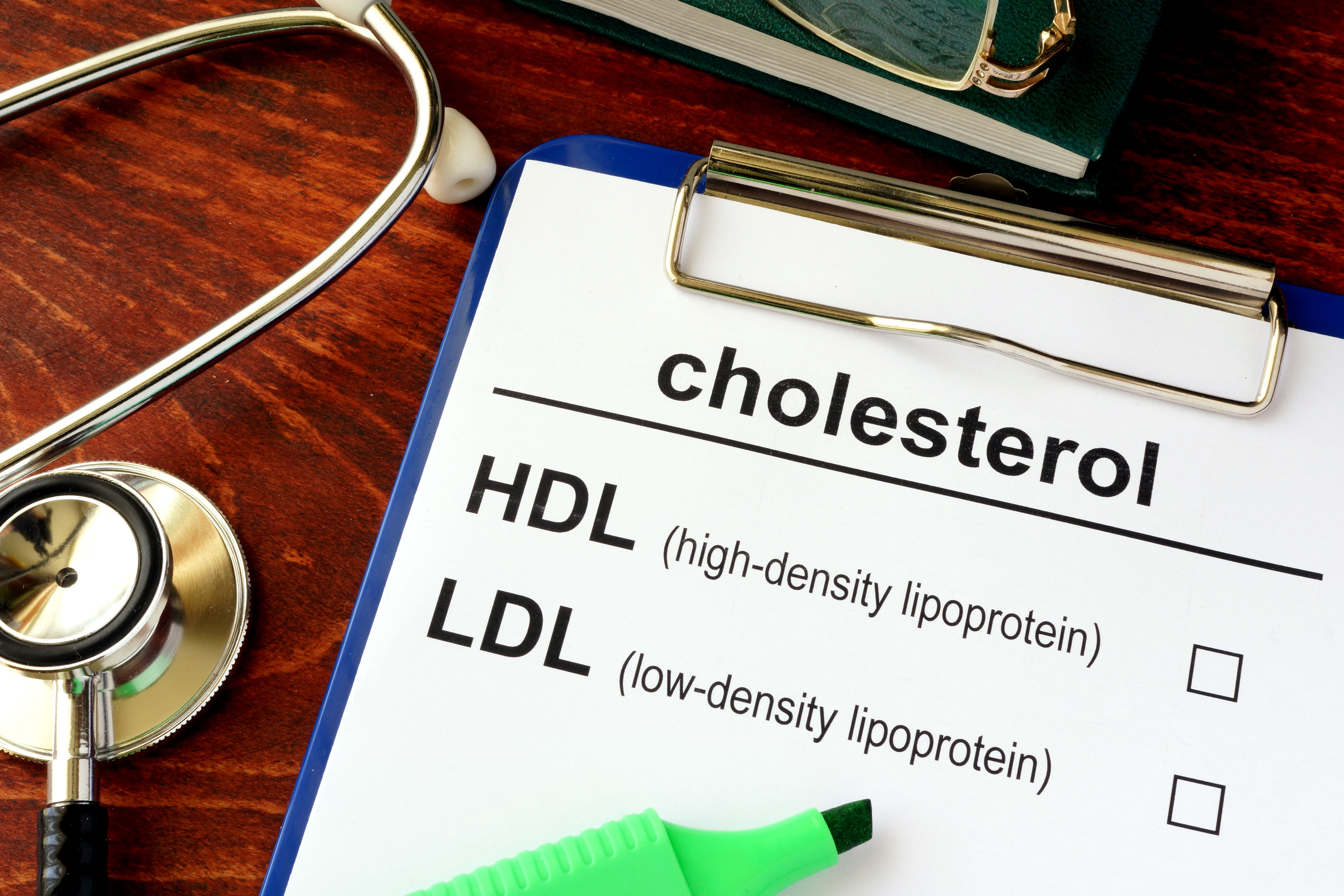
I'm experiencing trouble sleeping, and I think it might be related to my high triglyceride levels. Do you know of any medications that could help with this situation?
yes , tab fenofibrate 160 mg at ed time orally , repeat lipidpanel after 3 months is advised.
Answered by 1 Apollo Doctors
Health Articles for you
View all

.webp)

Disclaimer: Answers on Apollo 247 are not intended to replace your doctor advice. Always seek help of a professional doctor in case of an medical emergency or ailment.