


- Male
- 30 Years
- 22/01/2025
I've been experiencing some mild chest pain and discomfort when I breathe. It's a bit concerning, and I'm wondering what could be causing this. Should I be worried about this, or is it something that could resolve on its own? Could it be related to stress, or should I get it checked out immediately?

Answered by 1 Apollo Doctors

Ecg and x-ray chest pa view is advised to the patient.
Dr. Dhankecha Suggests...
Consult a Cardiologist
Answered 04/07/2025
0
0

More Cardiology Health Queries
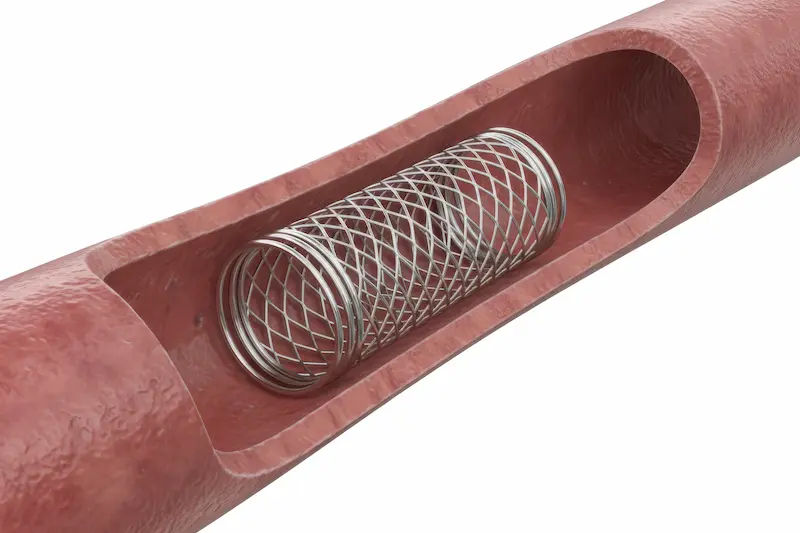
View allI've had two stents placed and been on heart and BP meds for about a year now. After surgery, my dietitian said to avoid juices and dry fruits and limit myself to one fruit a day. Now that it's been a while, I'm wondering what kind of diet I should be following can I relax these restrictions or should I stick to them? What's safe for someone like me?
Limit the amount of saturated fat you eat. It is not just about the total fat content of the diet, but also the type of fat in the diet. Try to avoid eating foods that are high in saturated fat. Foods that are high in saturated fat include meat pies, sausages, butter, cream, hard cheese, cakes, biscuits and foods that contain coconut or palm oil. Eating foods that are high in unsaturated fat can help to reduce your cholesterol level. Foods high in unsaturated fat include oily fish (such as herring, mackerel, sardine, salmon), avocados, nuts and seeds, sunflower, rapeseed and olive oil. Reduce you salt intake. Many foods contain hidden salt. Lowering your salt intake can reduce your risk of another MI and also other cardiovascular diseases


Answered by 1 Apollo Doctors
I'm recovering from Covid and sometimes I feel my heart racing, so my doctor wants me to get some tests done. I've already finished my ECG and Echo, and I'm wearing this Holter monitor today. Do I need to just hang out at home and keep an eye on things, or can I go about my normal day, like going to work, having meetings, and driving around? If keeping up with my usual routine is doable, is it necessary or could I just relax at home if I wanted to? Let me know what you think!
While the Holter machine is fitted on your body, it is recommended to continue your regular daily activities as usual. You can go to the office, attend meetings, drive, and carry on with your daily routine. There is no need to stay at home and observe yourself during the Holter monitoring. It is important to maintain your usual activities to get an accurate representation of your heart's activity throughout the day. Thank you for providing the information.
Answered by 1 Apollo Doctors
I'm having some trouble with my blood pressure meds. I've been on Tazloc 40 and Nebicard 2.5 once a day, and while they help with my BP and pulse, I'm dealing with nasal blockage, ear infections, and respiratory issues. I tried LN Bloc and Ivabradine like my doctor suggested, and that solved the breathing problems, but my BP and pulse aren't as controlled. Switching to LN Bloc 10 twice a day with Nebicard 2.5 worked for my BP and pulse, but those side effects came back. Now my doctor is suggesting benidipine and ivabradine, and it's getting pretty confusing with all the changes. Is benidipine a good option, or is there something else I should try that won't cause the breathing issues or head congestion?
Benidipine is a calcium channel blocker that can be used to treat high blood pressure. It is generally well-tolerated, but like any medication, it can have side effects. If you are experiencing nasal blockage, ear infection, and respiratory issues with your current medications, it may be worth trying a different class of antihypertensive medication. One option to consider is an angiotensin-converting enzyme (ACE) inhibitor such as Enalapril. ACE inhibitors are known to be effective in treating high blood pressure and have a lower incidence of respiratory side effects compared to some other classes of antihypertensive medications. Another option is an angiotensin II receptor blocker (ARB) such as Losartan. ARBs work in a similar way to ACE inhibitors but may be better tolerated in some individuals. It is important to discuss these options with your doctor to determine the best course of action for your specific situation. They can provide guidance on the appropriate dosage and monitor your response to the new medication.
Answered by 1 Apollo Doctors
Health Articles for you
View all



Disclaimer: Answers on Apollo 247 are not intended to replace your doctor advice. Always seek help of a professional doctor in case of an medical emergency or ailment.