


- Male
- 30 Years
- 22/01/2025
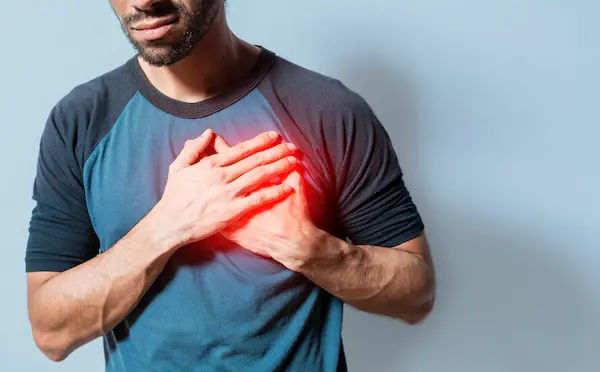
I'm really worried because my husband keeps having this slight pain and tightness in the center of his chest. It's especially bothersome when he coughs or takes a deep breath during these episodes. It's not happening all the time, but I'm not sure if we should investigate heart problems or something else. There aren't any other symptoms to go off of. What should we do?

Answered by 1 Apollo Doctors

Ecg and chest x-ray pa view is advised to the patient.
Dr. Anshul Suggests...
Consult a Cardiologist
Answered 04/07/2025
0
0

More Cardiology Health Queries
View allI'm really worried because he takes a lot of meds. In the morning, he's on Korandil 5, Ranozex, Deplate 75, Calpaol T, Metacard XL50, Solotrate SR 60. In the evening, he takes Orvas 10, Nexpro RD 40, Cobadex, Calpaol T, Korandil 5, and Ranozex. Lately, he's been experiencing low blood pressure. I'm not sure what to do. Any suggestions?
Continue all the medications..


Answered by 1 Apollo Doctors
I've been checking my blood pressure at home, and while most of the readings are pretty normal around 12577, I've noticed that sometimes my resting pulse rate jumps up to 95. Should I be worried about this?
It is NORMAL.
Answered by 1 Apollo Doctors
I've been noticing some strong heartbeats and chest pain on my left side after I eat. I don't have any other symptoms, but it's kind of worrying. I had a stress echo and an ECG done about three months ago, and everything was normal. What do you think could be going on?
It sounds like you may be experiencing symptoms of heart palpitations and chest pain after eating. Since your stress echo, echo, and ECG done 3 months ago were normal, it is less likely to be related to any serious heart condition. However, these symptoms could be due to acid reflux or gastritis. I recommend trying over-the-counter antacids like Tums or Rolaids for relief. You can also try avoiding spicy and fatty foods, eating smaller meals, and not lying down immediately after eating. If the symptoms persist or worsen, please follow up with your doctor for further evaluation.
Answered by 1 Apollo Doctors
Health Articles for you
View all
Disclaimer: Answers on Apollo 247 are not intended to replace your doctor advice. Always seek help of a professional doctor in case of an medical emergency or ailment.