


- Male
- 29 Years
- 22/01/2025
I'm really worried because my dad's having some mild chest pain. The doctor suggested an X-ray and then mentioned a CT-guided FNAC, but we're stuck since there aren't any clinics nearby that offer this procedure. On top of that, we're not in a strong financial position. Can you guide me on what we should do next? I'm feeling pretty lost right now.

Answered by 1 Apollo Doctors

go to any near by government district hospital, there all this facilities will be available
Dr. Anshul Suggests...
Consult a Cardiologist
Answered 04/07/2025
0
0

More Cardiology Health Queries
View allI'm really concerned about this situation. I recently experienced chest pain and pain in my left hand, so I went to the doctor and had a TMT test done. The results came back positive for exercise-induced myocardial ischemia. What's confusing is that I had a CT Coronary Angiogram back in 2019 and everything was normal then. Could you help me understand what this might mean for my heart health now? I've attached my TMT and Angiogram reports for reference.
Visit Physician for evaluation and appropriate management


Answered by 1 Apollo Doctors
I've been experiencing heart palpitations, shortness of breath, and feeling lightheaded since Sunday. I've also gained a bit of weight and recently had an argument with my husband. I have PCOS and I'm currently taking metformin. Could these symptoms be related to my condition or medication? Should I be concerned?
It sounds like you may be experiencing symptoms of anxiety or a possible cardiac issue. Given your history of PCOS and current medication, metformin, it is important to consider any potential interactions. I recommend you to consult with a doctor for further evaluation and management. In the meantime, to help alleviate your symptoms, you can try taking a beta-blocker such as Metoprolol at a low dose of 25mg once daily. Additionally, practicing stress-reducing techniques such as deep breathing exercises or mindfulness meditation may also be beneficial. Remember to prioritize self-care and seek medical attention if your symptoms worsen or persist.
Answered by 1 Apollo Doctors
I've been told my HSCRP level is 10, which I know is pretty high. I'm wondering, does taking Novastat 20 help bring that level down? I'd really appreciate some guidance on this.
Novastat 20 contains Atorvastatin, which is commonly used to lower cholesterol levels. While it may have some anti-inflammatory effects, it is not specifically indicated for reducing high HS-CRP levels. To specifically target high HS-CRP levels, medications like Aspirin or certain anti-inflammatory drugs may be more appropriate. It is important to consult with your healthcare provider for the best treatment plan.
Answered by 1 Apollo Doctors
Health Articles for you
View all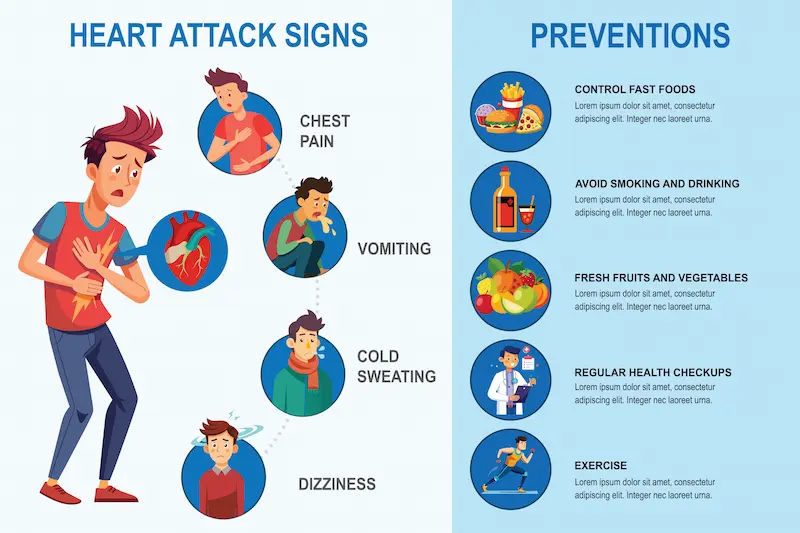


Disclaimer: Answers on Apollo 247 are not intended to replace your doctor advice. Always seek help of a professional doctor in case of an medical emergency or ailment.