


- Male
- 36 Years
- 22/01/2025
I'm really worried about what's happening with my health. So, I had a brain stroke about 2 months ago, and my doctor recommended getting an Echo cardiogram. The test showed something called "Reduced diastolic compliance". I'm not sure what this means. Is this something serious? Should I be really concerned about it?

Answered by 1 Apollo Doctors

This means that the heart is having difficulty relaxing and filling with blood during the resting phase of the cardiac cycle. This condition can lead to symptoms such as shortness of breath, fatigue, and fluid retention. To improve diastolic compliance, the doctor may prescribe medications such as ACE inhibitors like Lisinopril at a dosage of 10-20mg daily. Additionally, Beta-blockers like Metoprolol at a dosage of 25-50mg daily may also be recommended. It is important to follow up with the doctor regularly to monitor and manage this condition.
Dr. Shubham Suggests...
Consult a Cardiologist
Answered 04/07/2025
0
0

More Cardiology Health Queries
View allI'm really puzzled about my situation. I've been getting a stress positive result on my TMT test for the last five years, even though my angiogram came back normal and I don't have any heart issues. I'm just wondering what steps I can take or medicines I might need to help me eventually get a stress normal result. Could you give me some advice on this?
Albumin++ in your urine routine test indicates proteinuria, a sign of kidney damage or disease. _Causes_ 1. Kidney damage (nephropathy) 2. Diabetic nephropathy 3. Hypertension 4. Kidney stones 5. Urinary tract infection _Treatment_ 1. _Consult a nephrologist_: Schedule an appointment with a kidney specialist. 2. _Underlying cause treatment_: Address the underlying condition causing proteinuria. 3. _Medications_: - ACE inhibitors or ARBs to reduce proteinuria and blood pressure. - Diuretics to manage edema and blood pressure. 4. _Lifestyle modifications_: - Monitor and control blood pressure. - Manage blood sugar levels (if diabetic). - Reduce protein intake. - Increase fluid intake. - Exercise regularly. - Quit smoking. _Follow-up tests_ 1. Repeat urine tests to monitor proteinuria. 2. Blood tests to evaluate kidney function (eGFR, creatinine). 3. Imaging tests (ultrasound, CT scan) to assess kidney damage.


Answered by 1 Apollo Doctors
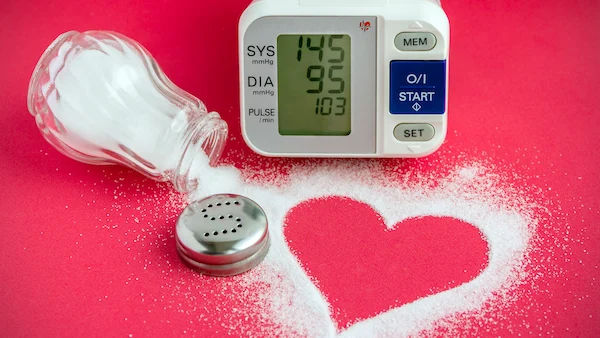
What time of day is blood pressure highest?
Your blood pressure continues to rise during the day, usually peaking in the middle of the afternoon.
Answered by 1 Apollo Doctors
So, my mom was diagnosed with 80% stenosis in the mid RCA and there's also a 50% instent restenosis in the distal RCA, where she had a stent put in back in 2010. We're a bit confused because one doctor is suggesting she should go through angioplasty again for both areas, while another doctor thinks it's not necessary. This is pretty stressful, and I really want to make the right decision. Could you explain what the typical approach is for handling instent restenosis and how serious this situation looks?
RCA STENOSIS 80% IN MID SEGMENT WILL INFLUENCE EFFECT OF DISTAL STENOSIS. ONCE U OPEN MID RCA LESION WITH BALOON AND DO ANGIOPLASTY THEN CHECK THE INSTENT RESTENOSIS LESION WITH FFR. IF FFR IS MORE THAN O.8 THEN NOTHING FOR DISTAL AND IF FFR IS LESS THAN 0.8 ANGIOPLASTY TO INSTENT RESTENOSIS.
Answered by 1 Apollo Doctors
Health Articles for you
View all



Disclaimer: Answers on Apollo 247 are not intended to replace your doctor advice. Always seek help of a professional doctor in case of an medical emergency or ailment.