


- male
- 60 Years
- 07/02/2025
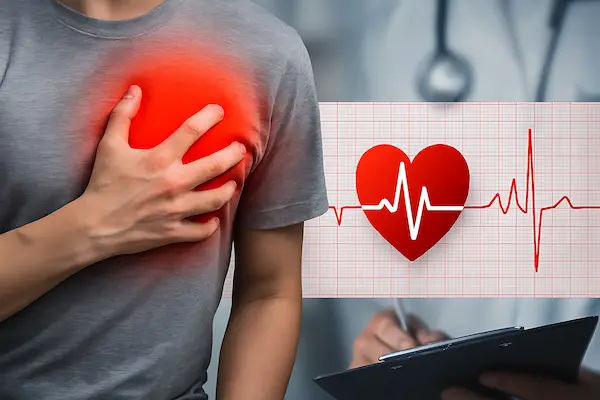
I'm really worried about a situation I'm facing right now. Lately, I've noticed that he can't even make it to 1015 steps without getting super out of breath. But oddly enough, he's able to sleep comfortably. Should I be concerned about this imbalance, and is there something specific I should be looking into or doing for him?

Answered by 1 Apollo Doctors

increase his exercice and increase foods with nutrition
Dr. Ibrahim Suggests...
Consult a Cardiologist
Answered 04/07/2025
0
0

More Cardiology Health Queries
View allI'm really concerned about the results of my ECG. It mentioned something about Interior Ischemia and an abnormal T wave. I'm not exactly sure what that means or how serious it is. Could you tell me what the best treatment options are for this situation? Should I be worried?
For Inferior Ischemia with abnormal T-wave on ECG, treatment typically involves addressing the underlying cause, such as coronary artery disease, and may include medications like beta blockers, nitrates, and antiplatelet agents, as well as lifestyle changes, and potentially invasive procedures like angioplasty or coronary artery bypass grafting (CABG), under the guidance of a cardiologist.


Answered by 1 Apollo Doctors
My dad just turned 50 and he's in good health overall. His recent routine stress test showed a positive result, which has us concerned. He was also found to have a Vitamin D deficiency, with a level of 9.8. Could this deficiency be linked to the stress test results? Should we be worried about one affecting the other?
Vitamin D deficiency can impact cardiovascular health and may affect the results of a stress test. It is important to address the Vitamin D deficiency to improve overall health. Your father can take Vitamin D supplements such as "Calcirol" 60,000 IU once a week for 8 weeks followed by maintenance dose of 1000-2000 IU daily. Additionally, he should spend time in sunlight and consume foods rich in Vitamin D like fatty fish, egg yolks, and fortified dairy products. Regular follow-up with his healthcare provider is recommended to monitor his Vitamin D levels and cardiovascular health.
Answered by 1 Apollo Doctors
I'm really worried because my blood pressure is reading 16080, which seems pretty high. Should I be concerned about potential heart problems in the future? I'm also noticing my pulse rate is at 98. What do you think could be going on here?
with single reading we don't justify it's bp it is due to anxiety also check bp continuosly for 3 days
Answered by 1 Apollo Doctors
Health Articles for you
View all


Disclaimer: Answers on Apollo 247 are not intended to replace your doctor advice. Always seek help of a professional doctor in case of an medical emergency or ailment.