


- male
- 60 Years
- 22/01/2025
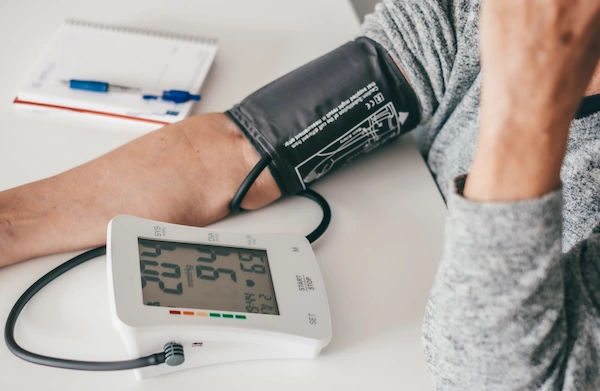
I'm really worried about my health lately. I've been dealing with diabetes and high blood pressure for a year now. Last October, I went through some tests like an echo, and everything seemed normal except for some grade 1 diastolic dysfunction. The TMT was negative, and my ECG looked okay. But I'm still having chest pain and pain in my left hand every week, and my heart sometimes races to 150160 bpm, with blood pressure at 180110. I even feel like passing out once a month. I've got pain in my chest, left hand, and jaw too. The doctor said last year that it wasn't a cardiac issue, but I can't shake off these symptoms. Without my blood pressure meds, my blood pressure spikes to 170110 and my heartbeat to 130. I'm currently on metoprolol, talmisartan, and vildapride. Its been seven months since those tests; should I go for another echo or TMT? Ive attached my last years reports and recent ECG too. What do you think?

Answered by 1 Apollo Doctors

Based on your history and symptoms, it would be advisable to undergo a repeat echocardiogram and stress test (TMT) to assess your heart function and rule out any cardiac issues. Considering your persistent symptoms and the changes in your blood pressure and heart rate, it is crucial to ensure that your current medications are effectively controlling your conditions. In addition to your current medications (metoprolol 50mg twice a day, telmisartan 40mg twice a day, and vildagliptin-metformin 50500mg twice a day), your healthcare provider may need to adjust the dosages or consider adding other medications to better manage your blood pressure and heart rate. Please follow up with your healthcare provider for a thorough evaluation, including a repeat echocardiogram and stress test, to determine the underlying cause of your symptoms and to optimize your treatment plan. Regular monitoring and follow-up are essential in managing your diabetes, hypertension, and cardiac symptoms.
Dr. Anshul Suggests...
Consult a Cardiologist
Answered 04/07/2025
0
0

More Cardiology Health Queries
View allI'm really concerned about my blood pressure. I take Telma 20 every day, but it's still high at 150100. If I eat out, it shoots up to around 170110. What can I do to bring it down to normal levels?
Increasing Height After 24 _Genetic Limitations_ 1. _Height determined by genetics_: Height is largely determined by genetics, making it challenging to significantly increase height after a certain age. 2. _Growth plates closure_: Growth plates in the bones typically close by the early 20s, limiting further growth. _Exercise and Healthy Alternatives_ 1. _Stretching and exercise_: Certain exercises, like yoga, Pilates, or stretching, can help improve posture, making you appear taller. 2. _Hanging exercises_: Hanging exercises, like pull-ups or hanging leg raises, can help stretch the spine, potentially increasing height by a small amount (0.5-1 inch). 3. _Good posture and core strength_: Maintaining good posture and core strength can also help you appear taller. _Supplements and Alternative Methods_ 1. _No proven supplements_: There are no scientifically proven supplements that can significantly increase height after 24. 2. _Avoid unproven methods_: Be cautious of unproven methods, like height-increasing pills or devices, as they may be ineffective or even harmful. _Realistic Expectations_ 1. _Small increases possible_: While it's unlikely to increase height by 2-4 inches, you may be able to achieve a small increase (0.5-1 inch) through exercise and good posture. 2. _Focus on overall health_: Prioritize overall health and wellness, rather than focusing solely on increasing height.


Answered by 1 Apollo Doctors
I've noticed that sometimes my heartbeat suddenly speeds up while I'm sleeping, but it goes back to normal after a few minutes. Should I be concerned about this?
This sudden increase in heart rate during sleep could be due to a condition called paroxysmal supraventricular tachycardia (PSVT). To help manage this, you can take a beta-blocker medication such as Metoprolol. The usual dosage for Metoprolol in this case is 25-100mg per day, as prescribed by a doctor. It helps to regulate the heart rate and prevent episodes of rapid heartbeat. However, it is important to consult with a healthcare professional for proper evaluation and management.
Answered by 1 Apollo Doctors
I'm a bit worried because my heart rate is around 113 BPM even when I'm just resting, but my ECG came back normal. I have to admit, I'm pretty lazy and don't get much exercise, and my breathing gets heavier when I try to run. Could my lifestyle be causing this high heart rate, or should I be concerned about something else?
A heart rate of 113 BPM at rest can be caused by various factors, including physical inactivity and a sedentary lifestyle. Since you mentioned that your ECG is normal, it is less likely to be due to a heart condition. The increase in respiratory rate on running suggests that your body is not efficiently adapting to physical exertion. To address this issue, I recommend starting with lifestyle modifications such as regular exercise and physical activity. Additionally, you can consider taking medication like Metoprolol to help lower your heart rate and improve cardiovascular health. It is important to consult with a healthcare professional before starting any medication regimen.
Answered by 1 Apollo Doctors
Health Articles for you
View all


Disclaimer: Answers on Apollo 247 are not intended to replace your doctor advice. Always seek help of a professional doctor in case of an medical emergency or ailment.