


- Male
- 28 Years
- 22/01/2025
I'm really concerned about some pain I've been experiencing. It started about four months ago with chest pain and pain in my left arm. I went to a doctor who said it might be gastric issues, but I was worried so I saw a cardiologist. They did a chest X-ray, a TMT, and an echo 2D, and everything came back negative. My relative, who's a doctor, suggested it might be muscle pain or cervical spondylosis, but I still have this persistent pain in my left arm along with a burning sensation. I've read about anxiety causing these kinds of symptoms, but the pain is also in my neck, jaw, left arm, shoulder, and chest. I'm really hoping for some clarification on what might be going on. What could be causing these symptoms, and what should I do next?

Answered by 1 Apollo Doctors

Visit your Physician for evaluation and appropriate management
Dr. Ibrahim Suggests...
Consult a Cardiologist
Answered 04/07/2025
0
0

More Cardiology Health Queries
View allI'm wondering if nebicard 2.5 could cause erectile dysfunction or maybe even affect sperm quality. I've heard that beta blockers might lead to ED, so I'm a bit worried. Could you shed some light on this?
Visit your Physician for appropriate management


Answered by 1 Apollo Doctors
I'm trying to understand what an ASO level of 257 means. I've been having this weird sensation in my chest and my heartbeat can get really up and down sometimes. Could you help me figure out what's going on and what I should do about it?
reduce stress levels and do some slight exercices
Answered by 1 Apollo Doctors
I'm a bit concerned about my ECG results. The report shows a PR of 102 and I'm not sure if that's within the normal range. I've also attached the ECG here for you to take a look. Could you let me know if everything seems okay? We're also considering cataract surgery, so I wanted to check if this ECG is fine before moving forward with that.
An ECG with a PR interval of 102 milliseconds is within the normal range. As for cataract surgery, it is important to assess your overall health condition before proceeding. Please consult with your ophthalmologist to determine if you are a suitable candidate for cataract surgery.
Answered by 1 Apollo Doctors
Health Articles for you
View all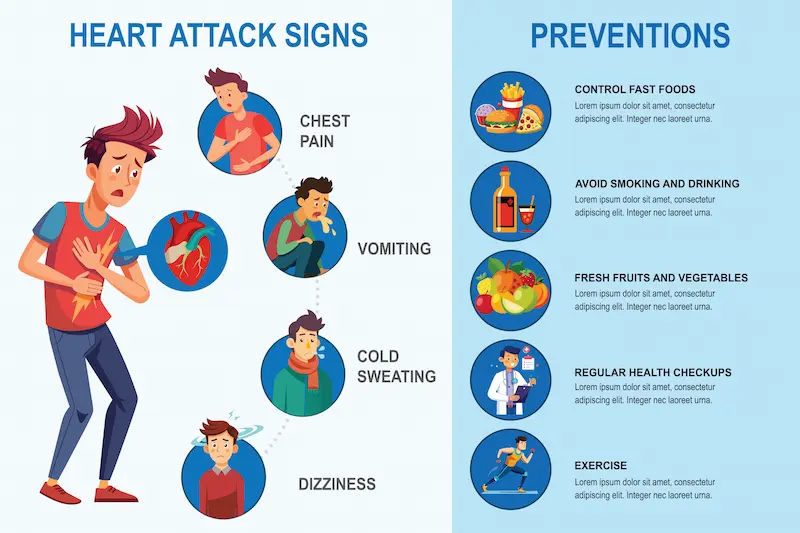



Disclaimer: Answers on Apollo 247 are not intended to replace your doctor advice. Always seek help of a professional doctor in case of an medical emergency or ailment.