


- Male
- 60 Years
- 29/01/2025
I'm really concerned about my dad. He's been dealing with heart issues and diabetes for over four years, and now his latest checkup showed his creatinine levels are up. I'm curious if there are specific foods, maybe certain types of millet or anything else, that might help lower his creatinine. Also, I'm a bit confused about how much fluid he should actually be drinking.

Answered by 1 Apollo Doctors

History is not sufficient to advice,visit Cardiologist for appropriate support
Dr. Mubarak Suggests...
Consult a Nephrologist
Answered 04/07/2025
0
0

More Nephrology Health Queries
View allI'm dealing with CKD and my creatinine levels have gone up from 2.4 to 2.8 recently. I'm really worried about what this means and what I can do to manage it. Plus, for the past few days, I've been having this really annoying itching all over my body. It's driving me nuts. Do you have any ideas on what's going on or what might help? I'm really looking for some advice.
Height is largely determined by genetics, but lifestyle factors can influence growth during adolescence and early adulthood. To promote natural growth: 1. *Proper Nutrition*: Ensure adequate calcium, vitamin D, and protein intake. 2. *Exercise Regularly*: Engage in activities that promote growth, such as swimming, cycling, and stretching. 3. *Maintain Good Posture*: Proper posture can make you appear taller. 4. *Get Enough Sleep*: Adequate sleep (7-9 hours) helps regulate growth hormones. 5. *Manage Stress*: High stress levels can negatively impact growth. Consider consulting a healthcare professional or a registered dietitian to create a personalized growth-promoting plan. Keep in mind that after a certain age (usually around 18-25), growth plates close, and significant height increases are unlikely.


Answered by 1 Apollo Doctors
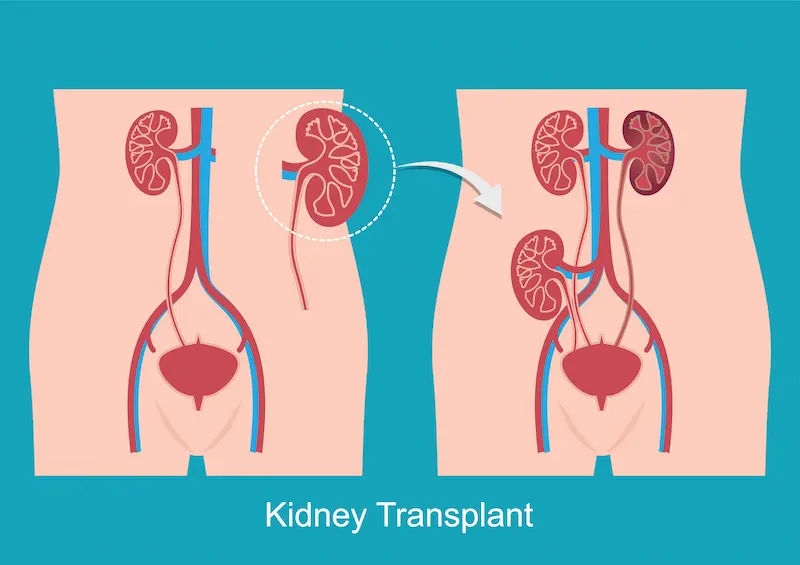
I've just learned that my dad has chronic kidney failure, and the doctors are suggesting a kidney transplant. They say my kidney is a match, and I've decided to donate. Can you give me some guidance on what to expect or prepare for? I'm 33 and just want to make sure I'm making the right choices and fully understand what's involved.
Before the kidney transplant, you will need to undergo a series of tests to ensure that you are healthy enough for the procedure. This includes blood tests, imaging tests, and a thorough physical examination. As a donor, you will also need to follow a specific preparation regimen before the surgery. After the transplant, you will be prescribed immunosuppressant medications to prevent rejection of the transplanted kidney. Common medications include Tacrolimus, Mycophenolate, and Prednisone. The dosage and frequency of these medications will be determined by your transplant team based on your individual needs. It's important to follow your healthcare team's instructions closely and attend all follow-up appointments to monitor your kidney function and overall health post-transplant. If you have any concerns or experience any unusual symptoms, be sure to inform your healthcare provider promptly.
Answered by 1 Apollo Doctors
Is there a way to stop dialysis and lower creatinine levels with Ayurvedic treatment? My patient has been on dialysis using an AV fistula for the past year and their creatinine level is 10. They have CKD stage 5. What can be done?
No thats harmful,it would lead him into coma,follow your doctors advice and dont stop dialysis
Answered by 1 Apollo Doctors
Health Articles for you
View all

Disclaimer: Answers on Apollo 247 are not intended to replace your doctor advice. Always seek help of a professional doctor in case of an medical emergency or ailment.