


- Female
- 53 Years
- 22/01/2025
I'm really anxious about my mom's recent TMT test results. They came back as mildly positive and I'm not sure if that's a good sign or something we should be worried about. Can you help me understand what this might mean for her health?

Answered by 1 Apollo Doctors

An echo is advised and also caediac markers
Dr. Dhankecha Suggests...
Consult a Cardiologist
Answered 04/07/2025
0
0

More Cardiology Health Queries
View allI'm kind of worried because all of a sudden my heart started racing, and when I went to the hospital, they checked my blood pressure and gave me these BP tablets. I've been taking them, but I'm wondering if I should keep taking them or if it's okay to stop. What should I do?
Sudden increase in heart rate can be concerning. It's important to follow the advice of your healthcare provider regarding the medication. If you were given medication for high blood pressure, it's important to continue taking it as prescribed. Stopping the medication abruptly can be harmful. If you have any concerns or experience any side effects, please consult your healthcare provider for further guidance.


Answered by 1 Apollo Doctors
I walked 2 kilometers in 30 minutes, and my average heart rate was 130 bpm; is that a good level, or is it on the high side? At times, my heart rate even reached 160 bpm. Should I be concerned about this?
Walking for 2 kilometers in 30 minutes is a good exercise. An average heart rate of 130bpm during this activity is within the moderate intensity range for most adults. However, reaching a maximum heart rate of 160bpm indicates that you were pushing yourself towards the higher end of your cardiovascular capacity. It is important to listen to your body and not exceed your maximum heart rate too frequently to avoid overexertion. If you are healthy and have no underlying heart conditions, you can continue with this level of exercise. Remember to stay hydrated and consider incorporating some cool down exercises after your walk to help your heart rate return to normal.
Answered by 1 Apollo Doctors
I'm wondering if having sex about 12 hours before a fasting blood test for a lipid profile could affect the results. Could you shed some light on this?
-Hello, Having sex 12 hours before a fasting blood test, including a lipid profile, is unlikely to significantly affect the results. However, it's important to follow the fasting instructions carefully, as eating or drinking can impact lipid levels. If
Answered by 1 Apollo Doctors
Health Articles for you
View all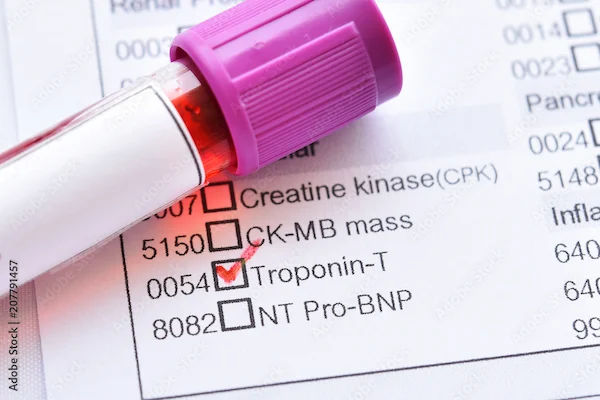

Disclaimer: Answers on Apollo 247 are not intended to replace your doctor advice. Always seek help of a professional doctor in case of an medical emergency or ailment.