


- Male
- 26 Years
- 22/01/2025
I'm having this pain or pressure in my chest, and sometimes my heart starts beating really fast. The pain goes from the middle of my chest up to my upper throat. What could be going on?

Answered by 1 Apollo Doctors

causes like gastritis, myocardial infraction. do one ECG and take tablet. pantop for 3 days once a day
Dr. Anshul Suggests...
Consult a Cardiologist
Answered 04/07/2025
0
0

More Cardiology Health Queries
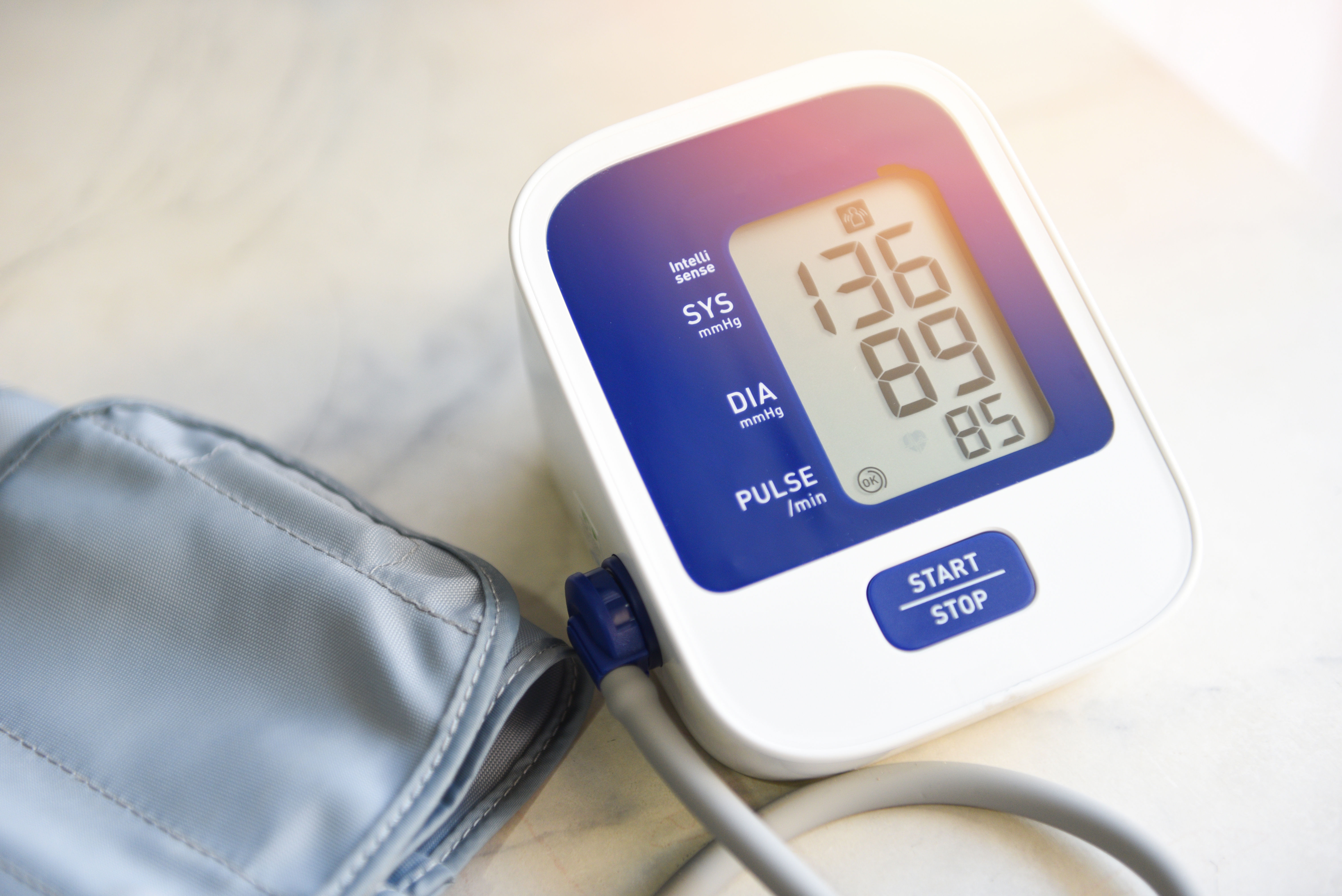
View allI've been having some concerns lately, so a few weeks ago, I had breathlessness and noticed my blood pressure was up at 140106. Went to get an ECG and Echo done the ECG showed some mild variations, and the Echo showed mild LVH. That same day, my BP was 150100, so they kept me under observation for about 4 hours and sent me home with a prescription for a 5mg BP medicine for a month. But here's the thingI didn't take the meds because I'm worried about getting dependent on them. I've been checking my BP regularly and it's mostly between 12887 and 13090, though I did have one reading of 13890. Do you think it's okay for me to keep skipping the medicine and just try focusing on lifestyle changes? Am I making a mistake here by not taking it? Would love some advice on this.
Based on your medical history of having mild variations in ECG, mild LVH on Echo report, and elevated blood pressure readings, it is important to follow your doctor's advice regarding medication. Skipping blood pressure medication can increase the risk of complications such as heart disease, stroke, or kidney problems, especially since your blood pressure was previously elevated at 150100. I recommend that you do not skip your medication and continue taking it as prescribed by your doctor. In addition to medication, incorporating lifestyle changes such as maintaining a healthy diet low in sodium, regular exercise, stress management, and avoiding smoking and excessive alcohol consumption can also help in managing your blood pressure. If you have concerns about forming a habit of taking medication, you can discuss this with your doctor to address any fears or doubts you may have. It is important to prioritize your health and follow the treatment plan recommended by your healthcare provider.


Answered by 1 Apollo Doctors
I'm looking at my echocardiography report and I'm a bit worried. It says things like IVSTD 03 mm, LVPWD 07 mm, LVIDd 70 mm, FS 13, LVIDs 61 mm, and EF 28. I'm not sure what all of that means, but I'm concerned about whether these measurements are okay. Am I actually fit? Can you help me understand this?
Based on your echocardiography report, it indicates that you have a reduced ejection fraction (EF) of 28%, which is below the normal range (55-70%). This may indicate a decrease in the pumping function of your heart. It is important to follow up with your healthcare provider for further evaluation and management. In terms of medication, you may be prescribed medications such as Carvedilol
Answered by 1 Apollo Doctors
I've recently found out that my cholesterol is really high, around 280, and my triglycerides are up there too. I'm kind of worried and wondering if there's a natural way to bring those numbers down. What would you suggest?
To help reduce high cholesterol and triglyceride levels naturally, you can try the following: 1. Eat a healthy diet low in saturated fats and cholesterol. Include plenty of fruits, vegetables, whole grains, and lean proteins. 2. Exercise regularly to help lower cholesterol levels and improve overall heart health. 3. Maintain a healthy weight to reduce cholesterol and triglyceride levels. 4. Limit alcohol consumption and avoid smoking. 5. Consider incorporating foods rich in omega-3 fatty acids such as fatty fish, flaxseeds, and walnuts into your diet. 6. Talk to your doctor about possibly taking supplements like fish oil or plant sterols to help lower cholesterol levels. If these lifestyle changes are not enough to lower your cholesterol and triglyceride levels, your doctor may prescribe medications such as Atorvastatin (Lipitor) or Simvastatin (Zocor) to help manage your levels.
Answered by 1 Apollo Doctors
Health Articles for you
View all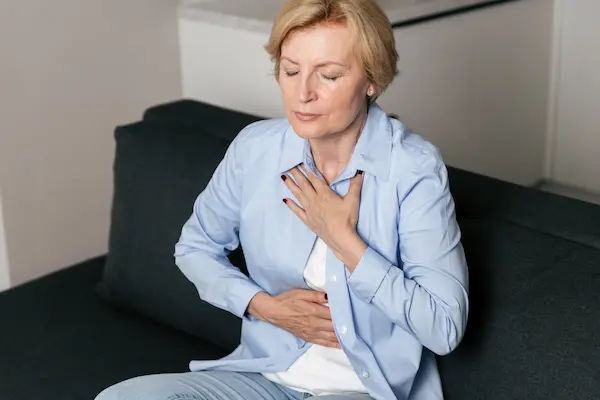

Disclaimer: Answers on Apollo 247 are not intended to replace your doctor advice. Always seek help of a professional doctor in case of an medical emergency or ailment.