


- Male
- 35 Years
- 20/02/2025
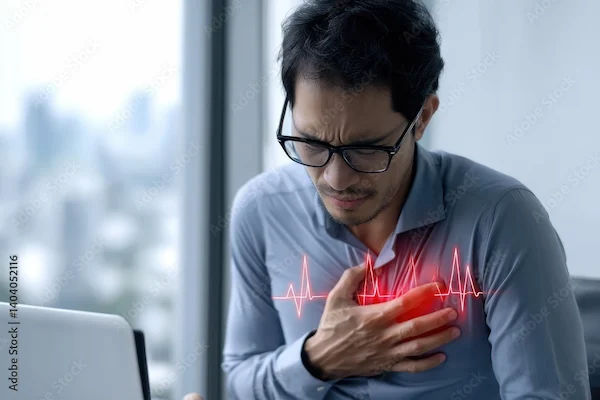
I'm having this issue where whenever I increase my treadmill speed, I feel pain in the upper left side of my chest. I had a TMT and echo done just three months ago, and everything came back normal. I'm a bit concerned about what's going on. Can you help me figure out why this might be happening?

Answered by 1 Apollo Doctors

This type of chest pain during exercise could be due to musculoskeletal causes or even acid reflux. However, since you have already had a normal TMT and echo, it is less likely to be related to the heart. I would recommend trying an over-the-counter antacid like Tums for possible acid reflux. Additionally, you can take a pain reliever like acetaminophen (Tylenol) for any musculoskeletal pain. If the pain persists or worsens, it would be best to follow up with your doctor for further evaluation.
Dr. Dhankecha Suggests...
Consult a Cardiologist
Answered 04/07/2025
0
0

Ask Apollo
AI powered Health Chatbot
-
Possible Causes
a. Musculoskeletal strain: Consider if the pain is related to muscle or rib strain.
b. Gastroesophageal reflux: Check if symptoms align with heartburn.
c. Anxiety or stress: Evaluate if stress could be contributing. -
Immediate Actions
a. Reduce treadmill speed and intensity.
b. Monitor for other symptoms like shortness of breath or dizziness.
c. Apply a warm compress to the area if musculoskeletal pain is suspected. -
When to Seek Medical Attention
a. If pain persists or worsens.
b. If accompanied by other symptoms like nausea or sweating.
c. If you have a history of heart disease or risk factors. -
Follow-Up
a. Consult a healthcare provider for further evaluation.
b. Consider a repeat cardiac evaluation if symptoms persist.
Recommended next steps
Take a CARDIAC CHANNELOPATHY GENE PANEL Test
Answered 10/09/2025
0
0

More Cardiology Health Queries
View allI've been feeling this pinching kind of mild pain on the left side of my chest that lasts for like 46 seconds or so. At those moments, I can really feel my heart beating faster when I put my hand on my chest. I did talk to a cardiologist about it, and they recommended an ECG, which turned out normal. But I'm still really worried. Could these be warning signs, and should I consider getting more heart-related tests just to be on the safe side?
Given your symptoms of intermittent, mild, left-sided chest pain lasting 4-6 seconds, accompanied by an awareness of a rapid heartbeat, and a normal ECG result, your cardiologist may recommend further tests, such as a stress test, echocardiogram, or Holter monitoring, to rule out potential causes like arrhythmias, pericarditis, or cardiac anxiety, and provide reassurance, but in the meantime, pay attention to any triggers or patterns, and consider maintaining a symptom journal to discuss with your doctor.


Answered by 1 Apollo Doctors
I'm really confused about my ECG results. It said there was a downslope in the ST segment and T wave inversion, and they mentioned something about infero-lateral ischaemia. When I went for a pre-employment medical exam, I had an echocardiogram and a color Doppler test, and the doctor said not to worry but didn't prescribe any medication. I'm not sure what to do next. Is there actually ischaemia, or is everything okay?
the ST segment downslope and T wave inversion indicate infero lateral Ischaemia. Since you have already undergone an ECHOCARDIOGRAM and color Doppler test, and the doctor mentioned that there is nothing to worry about, it is likely that the Ischaemia is not severe and does not require immediate medication. However, it is important to follow up with regular check-ups to monitor your heart health. If you experience any symptoms such as chest pain or shortness of breath, please consult your doctor for further evaluation and management.
Answered by 1 Apollo Doctors
What are the 4 stages of congestive heart failure?
Four stages of congestive heart failure are Stage A, B, C, D. Stage A and B are pre heart failure stages when persons do not have symptoms but have predilection to heart failure such as Diabetes, Hypertension, obesity, alcohol abuse, heart blocks and family history of heart failure. Stage C is when persons have symptoms, diagnosed with heart failure and responding to treatment. Stage D is when persons have advanced symptoms that may not get better with treatment.
Answered by 1 Apollo Doctors
Health Articles for you
View all
.webp)
Disclaimer: Answers on Apollo 247 are not intended to replace your doctor advice. Always seek help of a professional doctor in case of an medical emergency or ailment.