


- Male
- 39 Years
- 22/01/2025
I'm feeling this weird pain in the center of my chest whenever I breathe deeply or move suddenly. It's been happening since this evening and while it goes away for a bit, it keeps coming back. I'm trying to figure out if this might just be from a cold or if it's more like an infection. Who should I be talking to about this? What kind of doctor would handle something like this?

Answered by 1 Apollo Doctors

consult a pulmonologist
Dr. Kareemulla Suggests...
Consult a Cardiologist
Answered 04/07/2025
0
0

More Cardiology Health Queries
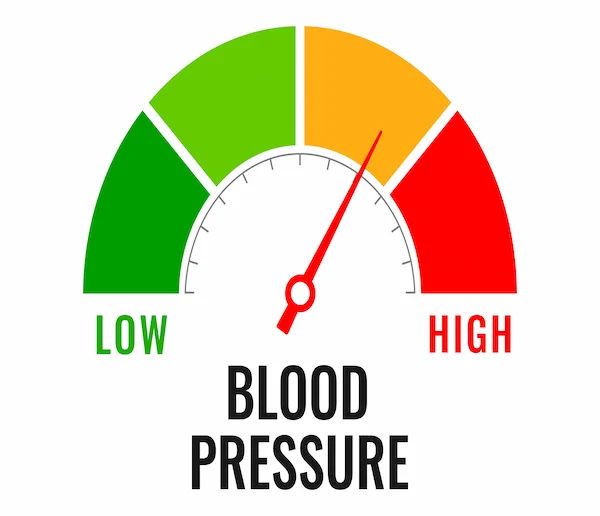
View allI'm a bit concerned about my BP readings. It was 10866 recently, but before that, it was 9363. Should I be worried about this change, or is it normal? Do you think I need to see a doctor? Please let me know what you think!
-A blood pressure reading of 10866 is considered within the normal range, though it's slightly higher than your previous reading of 9363. It seems like a healthy change, but if you're feeling any symptoms like dizziness or weakness, its worth consult


Answered by 1 Apollo Doctors
I'm dealing with Sinus Arrhythmia and have been on Cordarone 100 daily. I recently had a 24-hour Holter monitor test, which showed many periods of Sinus Bradycardia and frequent PVCs. My Echo cardiogram says LVEF is 72 with Trivial MRTR. Everything else like my ECG, lipid, thyroid, kidney, and liver profiles are coming back normal. My HbA1c is at 4.9 and my hemoglobin is 15.10. Can you please help me understand what all this means and if there's anything specific I should be doing or worrying about?
Visit your Physician for appropriate management
Answered by 1 Apollo Doctors
I'm curious about the Inderal LA 20 tablet. What exactly is it used for? Can it help with blood pressure, or is it meant for something else?
Inderal LA 20 tablet is a brand name for propranolol, which is a beta-blocker medication. It is commonly used to treat high blood pressure (hypertension), as well as to prevent chest pain (angina) and to improve survival after a heart attack. Propranolol can also be used to prevent migraine headaches and to manage symptoms of anxiety. The usual dosage for high blood pressure is 120-240 mg per day, divided into smaller doses.
Answered by 1 Apollo Doctors
Health Articles for you
View all

Disclaimer: Answers on Apollo 247 are not intended to replace your doctor advice. Always seek help of a professional doctor in case of an medical emergency or ailment.