


- Female
- 30 Years
- 22/01/2025
I'm feeling a bit worried because there's this pain in my left side, near my chest. It almost feels like there's something sitting there. Should I be concerned about this?

Answered by 1 Apollo Doctors

ecg and cardiac makers is advised.
Dr. Ibrahim Suggests...
Consult a Cardiologist
Answered 04/07/2025
0
0

More Cardiology Health Queries
View allI'm taking some meds for high blood pressure, like METOLAR XR and TELMA 20, and I have a TMT test for a pre-employment check-up coming up. I'm a bit worried because I really can't afford to fail this test. Do I need to stop taking these meds on the day of the test, or will they affect the results? Can you let me know what I should do?
You can continue taking METOLAR XR and TELMA 20 on the day of your TMT test. These medications are commonly used for high blood pressure and should not significantly affect the results of the test. It is important to follow your regular dosage schedule. Good luck with your pre-employment medical test!"


Answered by 1 Apollo Doctors
I'm experiencing just mild chest pain that's been on the left side and it's been going on since morning. It hasn't stopped. What would you suggest I do?
Chest pain, especially if it's persistent and on the left side, can be concerning. It's important to rule out any serious conditions like a heart attack. I recommend taking a tablet of Aspirin 325mg immediately and seeking medical help. Aspirin can help reduce the risk of blood clots. It's important to get evaluated by a healthcare professional as soon as possible to determine the cause of your chest pain.
Answered by 1 Apollo Doctors
my ecg report shows sinus tachycardia with inferior wall ischemia and I'm not sure what it means I got it done for gallbladder surgery should I be worried
SX NEEDED
Answered by 1 Apollo Doctors
Health Articles for you
View all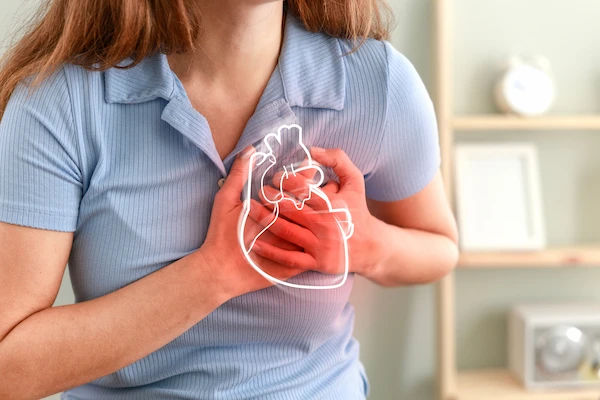


Disclaimer: Answers on Apollo 247 are not intended to replace your doctor advice. Always seek help of a professional doctor in case of an medical emergency or ailment.