


- Male
- 23 Years
- 22/01/2025
I'm experiencing this sharp, pin-like pain in my chest and back. It was really bad in January, but now it's not as intense, just feels like pins. I had my ECG done and everything came back normal. Can you tell me what precautions I should take?

Answered by 1 Apollo Doctors

Given your symptoms of pin-like pain in the chest and back, and a normal ECG, consider consulting a cardiologist to rule out conditions like pericarditis, costochondritis, or gastroesophageal reflux disease (GERD); in the meantime, avoid heavy lifting, maintain a healthy weight, manage stress, and avoid triggers like spicy or fatty foods that can exacerbate symptoms.
Dr. Ranjith Suggests...
Consult a Cardiologist
Answered 04/07/2025
0
0

More Cardiology Health Queries
View allCan someone explain what's going on with my mom's ECG report? The doctor said it's abnormal, and we need to do a TMT test in a month. They've given us some meds, but I really want to understand what's up. Any insights?
While I can't view attachments, an abnormal ECG can indicate several potential issues, such as arrhythmias, ischemia, or abnormalities in the heart's structure. It's important to follow your doctor's recommendation to perform a TMT (treadmill test) as it will provide more information about how your mother's heart functions under physical stress. The prescribed medications are likely aimed at managing her condition in the meantime. Please ensure she follows her treatment plan and consults her healthcare provider if any new symptoms arise.


Answered by 1 Apollo Doctors
I've been experiencing heart vibrations for the past four months, and both my ECG and echo reports came back normal. Could you provide some guidance on what might be causing this or what steps I should take next?
Thats clearly anxiety disorder,visit Psychiatrist for a better treatment and counselling and also practice meditation and breathing excercises,take adequate rest and maintain healthy life style
Answered by 1 Apollo Doctors
I'm experiencing some mild chest pain after getting my first dose of Covishield. My blood pressure, pulse, and SpO2 levels seem fine. What should I do? Any advice would be really appreciated.
take pantop 40mg for 3 days
Answered by 1 Apollo Doctors
Health Articles for you
View all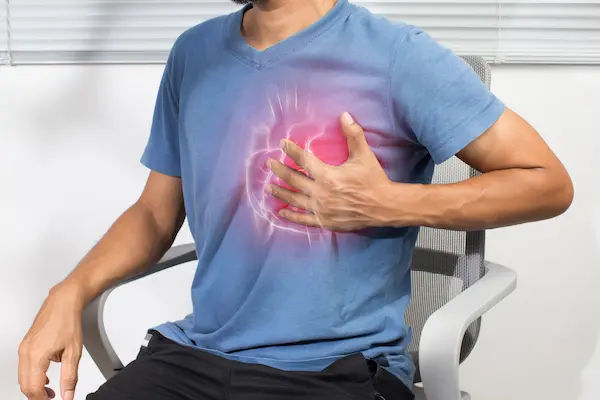
.webp)

Disclaimer: Answers on Apollo 247 are not intended to replace your doctor advice. Always seek help of a professional doctor in case of an medical emergency or ailment.