


- Male
- 32 Years
- 22/01/2025
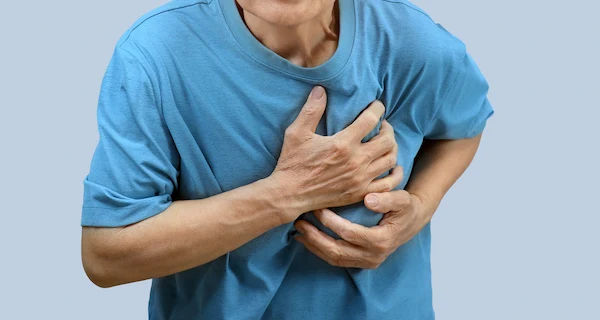
I'm experiencing chest tightness for the past three days, and I also have shortness of breath at night. Could these be symptoms of COVID? I'm really worried about this, and I'm not sure what I should do. Can you help?

Answered by 1 Apollo Doctors

Ecg and x-ray chest pa view is advised to the patient.
Dr. Ranjith Suggests...
Consult a Cardiologist
Answered 04/07/2025
0
0

More Cardiology Health Queries
View allI'm a bit worried about my dad's blood pressure. He got it checked today just for a routine check-up and it was 144100. He's 53 and doesn't have any medical conditions. He's pretty active and walks 2 to 3 km every day. Is this blood pressure range okay for his age, or should he start taking medication to control it? What do you suggest?
Your father's blood pressure reading of 144100 mmHg is considered stage 2 hypertension, which is above the normal range for his age; given his active lifestyle and lack of underlying medical conditions, lifestyle modifications such as increasing physical activity, reducing sodium intake, and stress management should be attempted first, before considering medication


Answered by 1 Apollo Doctors
I'm a 28-year-old guy and I've been on high BP medicine, Telma 40, for about 2 years. Whenever I lie down, especially on my left side, I can really feel my heartbeat. It's like it's beating outside my chest, and it's making it hard for me to sleep. I've had an ECG and a 24-hour Holter monitor test, and both came back normal. Can you help me understand why this is happening and what I can do about it?
- Feeling your heartbeat while lying on your side is often normal, especially if you're aware of your body due to anxiety or stress. Since your ECG and Holter are normal, it's unlikely to be serious. Try sleeping on your right side, managing stress, and l
Answered by 1 Apollo Doctors
I've had mild chest pain for years and my doctor recommended an angiography which showed blockages in my arteries. The report says there's a 40-50% mid-segment stenosis in the LM artery, 90% stenosis in the LAD at S1 D1 level with diffuse distal disease, and severe blockages in LCx (70-80% ostial), OM1 (80% ostial), OM2 (90% diffuse). RCA also has 90% stenosis in ostial PDA and PLV. Given these findings, is bypass surgery the best option for me or are there other treatments I should consider?
cardiologist opinion is advised.
Answered by 1 Apollo Doctors
Health Articles for you
View all



Disclaimer: Answers on Apollo 247 are not intended to replace your doctor advice. Always seek help of a professional doctor in case of an medical emergency or ailment.