


- female
- 35 Years
- 22/01/2025
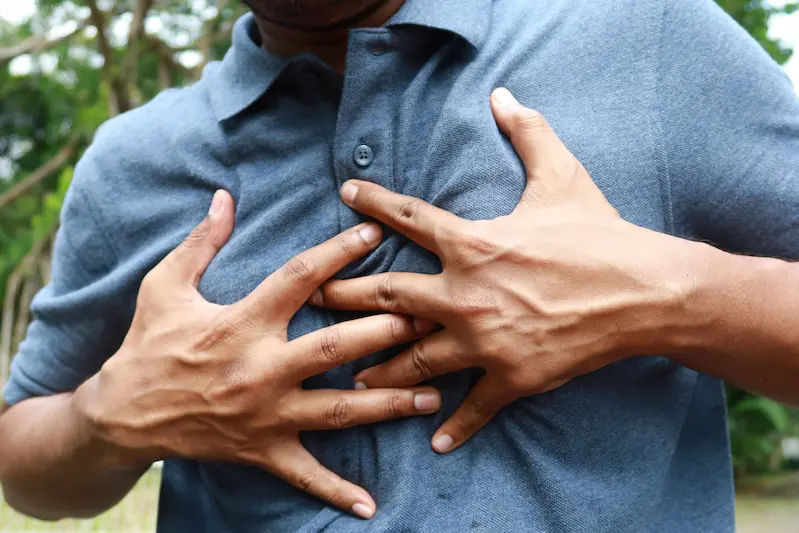
I'm dealing with this strange chest pain situation on my left side. It's kind of like a sharp electric shock that lasts for about 12 seconds, then it's just gone. The spot where it happens is almost always the same, and it's been randomly showing up and disappearing for the last 10 days. Could you help me figure out what this might be?

Answered by 1 Apollo Doctors

This type of chest pain could be indicative of a condition called costochondritis, which is inflammation of the cartilage that connects a rib to the breastbone. To help alleviate the pain, you can take over-the-counter pain relievers such as ibuprofen (Advil) 400mg to 800mg every 6 hours as needed for pain relief. It is important to rest and avoid activities that worsen the pain. If the pain persists or worsens, it is recommended to follow up with a healthcare provider for further evaluation and management.
Dr. Chandra Suggests...
Consult a Cardiologist
Answered 04/07/2025
0
0

More Cardiology Health Queries
View allI'm feeling this weird sinking sensation in my chest every now and then, especially when I'm super stressed out. It's kind of freaking me out, even though I've had an ECG and checked my blood pressure, and both are normal. What could this possibly mean?
That could be due to anxiety ,needs evaluation visit general physician for further management


Answered by 1 Apollo Doctors
I've been having this quick, sharp pain on the left side of my chest whenever I put pressure on my left hand or lift something heavy. It's really strange because the pain just pops up out of nowhere, lasts only a few seconds, and then it's gone. Its been happening now and then for about 4 or 5 months, but it seems to be more frequent lately. Any idea what could be causing this? What should I do about it?
This type of chest pain that is triggered by certain movements or activities could be musculoskeletal in nature, such as costochondritis. It is an inflammation of the cartilage that connects a rib to the breastbone. To help relieve the pain and inflammation, you can take over-the-counter pain relievers such as ibuprofen (e.g., Advil) at a dose of 400mg to 800mg every 6 hours as needed with food. Additionally, applying a warm compress to the area may also provide some relief. However, it is important to consult with a healthcare professional for a proper evaluation and diagnosis.
Answered by 1 Apollo Doctors
My mom is 60 and has a 24mm hole in her heart can she still get surgery for it
YES, SHE CAN
Answered by 1 Apollo Doctors
Health Articles for you
View all
.webp)
Disclaimer: Answers on Apollo 247 are not intended to replace your doctor advice. Always seek help of a professional doctor in case of an medical emergency or ailment.