


- Male
- 22 Years
- 29/01/2025
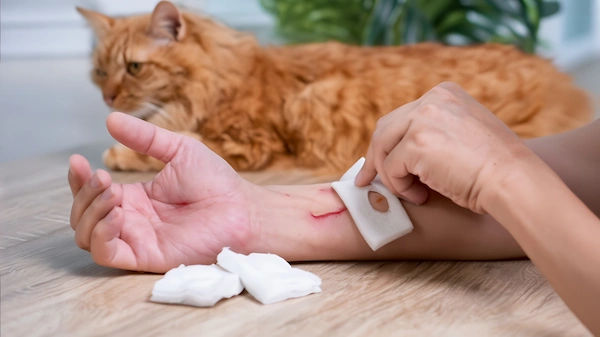
I got a little scratch from a stray kitten who hasn't been vaccinated yet. It wasn't really bleeding, so I put off getting vaccinated myself. I ended up getting the rabies shot 44 hours after and a tetanus shot after 28 hours. Do you think this was too late, or am I still okay? I'm a bit worried and would love your take on it.

Answered by 1 Apollo Doctors

ideally within 24-48 hours so no need to worry
Dr. Anshul Suggests...
Consult a Infectious Disease specialist
Answered 04/07/2025
0
0

More Infectious Disease Health Queries
View allI'm planning to donate blood and want to make sure everything is okay. I've never had sex, but there was this one time I accidentally used a syringe that had already been used, and it's been bothering me ever since. I'm thinking about getting an HIV test, but I'm a bit confused with all the types, like HIV 1 and HIV 2. Which one should I go for just to make sure I'm all clear? Is it safe to take this test? I'm feeling a bit anxious and could use some guidance.
To check your HIV status, you should undergo a 4th or 5th generation HIV combo test, also known as a HIV DUO or HIV TRIO test, which detects both HIV-1 and HIV-2 antibodies and p24 antigens, providing accurate results from 18-24 days post-exposure; this test is safe, confidential, and usually free at government-approved testing centers or hospitals.


Answered by 1 Apollo Doctors
I'm really worried about a friend of mine who is HIV positive. She was on this medicine called Teevir from Mylan, but after a few months, she just stopped taking it. I'm wondering if there might be a better doctor or medicine available for her. Is there anything new or different she should try?
Continue same treatment.
Answered by 1 Apollo Doctors
I'm getting my rabies vaccines right now and I'm wondering if it's okay to eat non-veg like mutton and chicken during this time. Can you advise me on this?
There is no specific diet restriction while on rabies vaccination regimen. You may consume a non-veg diet without concern.
Answered by 1 Apollo Doctors
Health Articles for you
View all

Disclaimer: Answers on Apollo 247 are not intended to replace your doctor advice. Always seek help of a professional doctor in case of an medical emergency or ailment.