


- Female
- 64 Years
- 22/01/2025
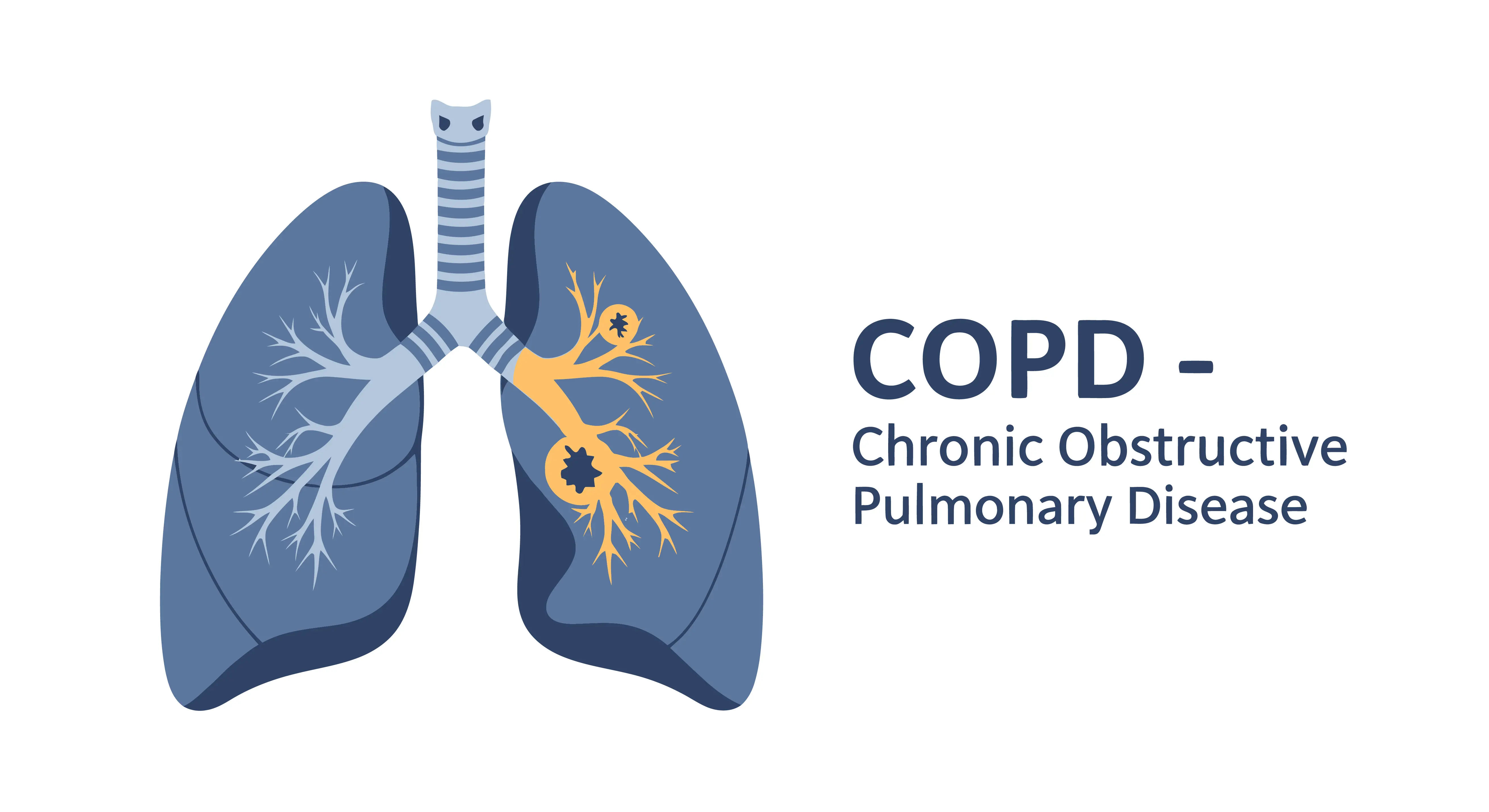
Does noticing prominent bronchovascular markings and a horizontal fissure on an X-ray mean I have chronic bronchitis, or is it something that can be treated and cured? Is this something I should be worried about?

Answered by 1 Apollo Doctors

Patient is advised tab augmentin 625 mg ,orally, thrice daily for 7 days, tab levocetrizine 10 mg bedtime for 5 days and syrup salbutamol 10 ml thrice dailly for 7 days .Seroflo rotahaler sos for breathing difficulty is advised to the patient.
Dr. Dhankecha Suggests...
Consult a Pulmonology Respiratory Medicine Specialist
Answered 04/07/2025
0
0


Ask Apollo
AI powered Health Chatbot
-
Understanding Bronchovascular Markings and Horizontal Fissure on X-ray
- These findings can be normal or indicate conditions like infections or inflammation. They are not diagnostic on their own.
-
Possible Causes and Their Implications
- Prominent bronchovascular markings may relate to chronic bronchitis, infections, or age-related changes.
-
Importance of Clinical Correlation
- X-ray findings need to be correlated with symptoms and physical examination. Further tests may be necessary.
-
Treatment and Prognosis
- Conditions like chronic bronchitis can be managed effectively. Treatment depends on the underlying cause.
-
When to Seek Medical Advice
- Seek medical evaluation if experiencing symptoms like persistent cough, shortness of breath, or chest pain.
-
Relevant Medical Specialties and Diagnostic Tests
- Consult a pulmonologist. Additional tests might include spirometry or a CT scan.
-
Reassurance and Next Steps
- Not all X-ray changes indicate serious disease. Discuss results with your doctor for personalized advice.
Recommended next steps
Consult a Pulmonology Respiratory Medicine Specialist
Answered 20/08/2025
0
0
More Pulmonology/ Respiratory Medicine Health Queries
View allI'm really worried about my sister, she just got diagnosed with MDR TB last month. The doctors mentioned it would take around 2 years for the treatment. I'm trying to find out how much the full and proper treatment might cost. Could you give me some guidance on this?
go for government hospital its free


Answered by 1 Apollo Doctors
I've been dealing with a persistent cough for about six months now. Initially, it was just a cough, but recently I've noticed some blood when I cough, though it's only happened once or twice. I went to NIMS and they did an X-ray and endoscopy, but didn't find anything and they prescribed me Reswas and Trenxa syrup. Unfortunately, the cough hasn't improved and it tends to get worse at night. I'm feeling okay otherwise, but this nighttime cough is really starting to bother me. Could you suggest where I should go next or what kind of specialist I should consult?
visit dermatologist for evaluation and appropriate management
Answered by 1 Apollo Doctors
I'm really concerned about my oxygen levels since I've tested positive for COVID-19. As of May 2nd, my oxygen level is at 92. The PCR results showed I'm COVID-19 positive with an E gene Ct value of 23 and an RdRp gene Ct value of 21. What do these Ct values mean? Should I be worried about the oxygen level too? Is there anything specific I need to do or look out for?
Patient is advised tab augmentin 625 mg ,orally, thrice daily for 7 days, tab levocetrizine 10 mg bedtime for 5 days and syrup salbutamol 10 ml thrice dailly for 7 days .
Answered by 1 Apollo Doctors
Health Articles for you
View all



Disclaimer: Answers on Apollo 247 are not intended to replace your doctor advice. Always seek help of a professional doctor in case of an medical emergency or ailment.