


- male
- 45 Years
- 07/02/2025
Can you have a look at this EKG for me? I've been having a really tough time with chest discomfort that spreads to my left arm, back, and abdomen. Went to the ER and they did an EKG; the heart doctor said it was normal. They sent me home with meds for acidity and anxiety, but Im feeling even worse now, like it might be a heart attack. So I went to another hospital where they did another ECG, but no cardiologist checked it. Im having body shivers and tremors but no chills. My stomach's also upset, with loose motions a lot because of IBS and GERD, and I ate chocolates today which are the worst for GERD. Should I get a troponin test done? Its really expensivecan I skip it? Any advice would be helpful.

Answered by 1 Apollo Doctors

Based on your symptoms and medical history, it is important to rule out a heart attack as a cause of your chest discomfort. Given the persistent symptoms and the radiating pain to your left arm, back, and abdomen, along with the shivering and tremors, it would be advisable to go ahead with the Troponin test to assess for any cardiac damage. This test can help determine if there has been any injury to the heart muscles. It is a crucial test in cases of suspected heart attack. In the meantime, continue taking the acidity and anxiety medications prescribed to you. Additionally, avoid trigger foods like chocolates that can exacerbate your GERD symptoms. If the symptoms persist or worsen, seek medical attention promptly
Dr. Ranjith Suggests...
Consult a Cardiologist
Answered 04/07/2025
0
0

More Cardiology Health Queries
View allI'm a bit concerned about my ECG results. It mentioned "Sinus rhythm and ST Elevation probable normal early repolarization pattern." Can you help me understand what this means? Should I be worried about it?
A sinus rhythm on an ECG indicates that the heart is beating normally. ST elevation with probable normal early repolarization pattern can be a normal variant in some individuals, especially young, healthy individuals. However, it can also be seen in conditions like pericarditis or myocardial infarction. Since I don't have the complete picture of your health and medical history, it is important to consult a healthcare professional for a thorough evaluation.


Answered by 1 Apollo Doctors
I've recently had a 2D ECHO Cardiogram, and it's showing MVP with Trivial MR. My EF is at 60. Should I be worried about these results? Are they something serious?
yes, u may require a surgery .
Answered by 1 Apollo Doctors
I've been wondering if cold weather can affect blood pressure. I've noticed that my blood pressure is usually around 12080 to 13084 in the summer, but during the winter, it seems to go up to 13384 and sometimes even 13587. Is that something to be concerned about or is it normal for it to fluctuate with the seasons? Would really appreciate some insight.
Yes, cold weather can affect blood pressure. In colder temperatures, blood vessels tend to constrict in order to conserve heat and maintain body temperature, which can lead to an increase in blood pressure. This is why blood pressure tends to be higher in the winter and lower in the summer. To help manage your blood pressure during the winter, you can consider taking medications like Amlodipine (5mg) or Lisinopril (10mg) as prescribed by your doctor. Additionally, maintaining a healthy lifestyle with regular exercise, a balanced diet, and stress management techniques can also help regulate your blood pressure levels throughout the year.
Answered by 1 Apollo Doctors
Health Articles for you
View all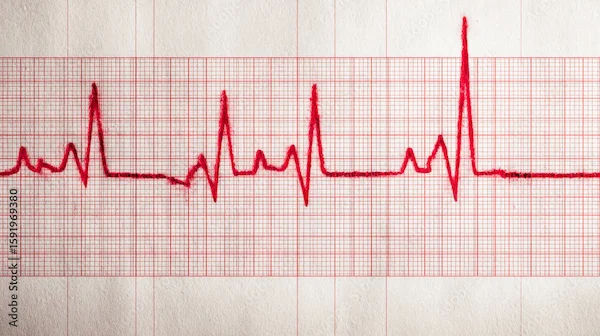



Disclaimer: Answers on Apollo 247 are not intended to replace your doctor advice. Always seek help of a professional doctor in case of an medical emergency or ailment.