


- female
- 30 Years
- 31/03/2021
Can oily scalp cause hair loss?

Answered by 1 Apollo Doctors

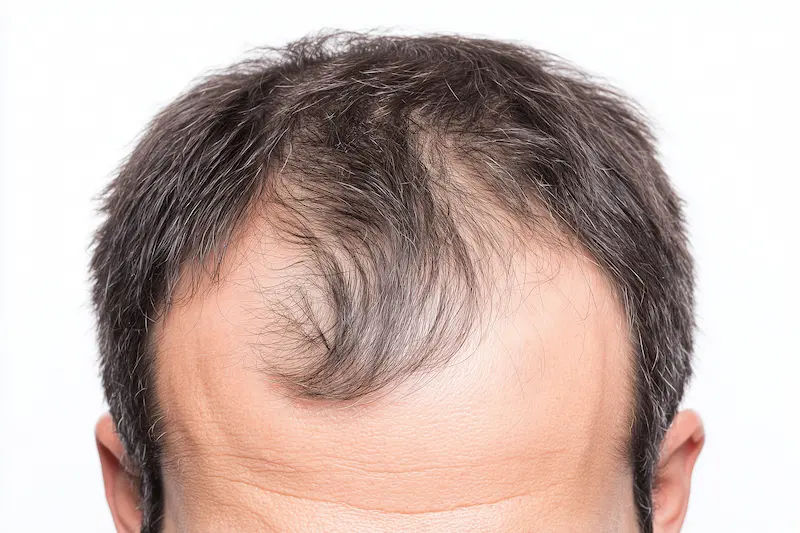
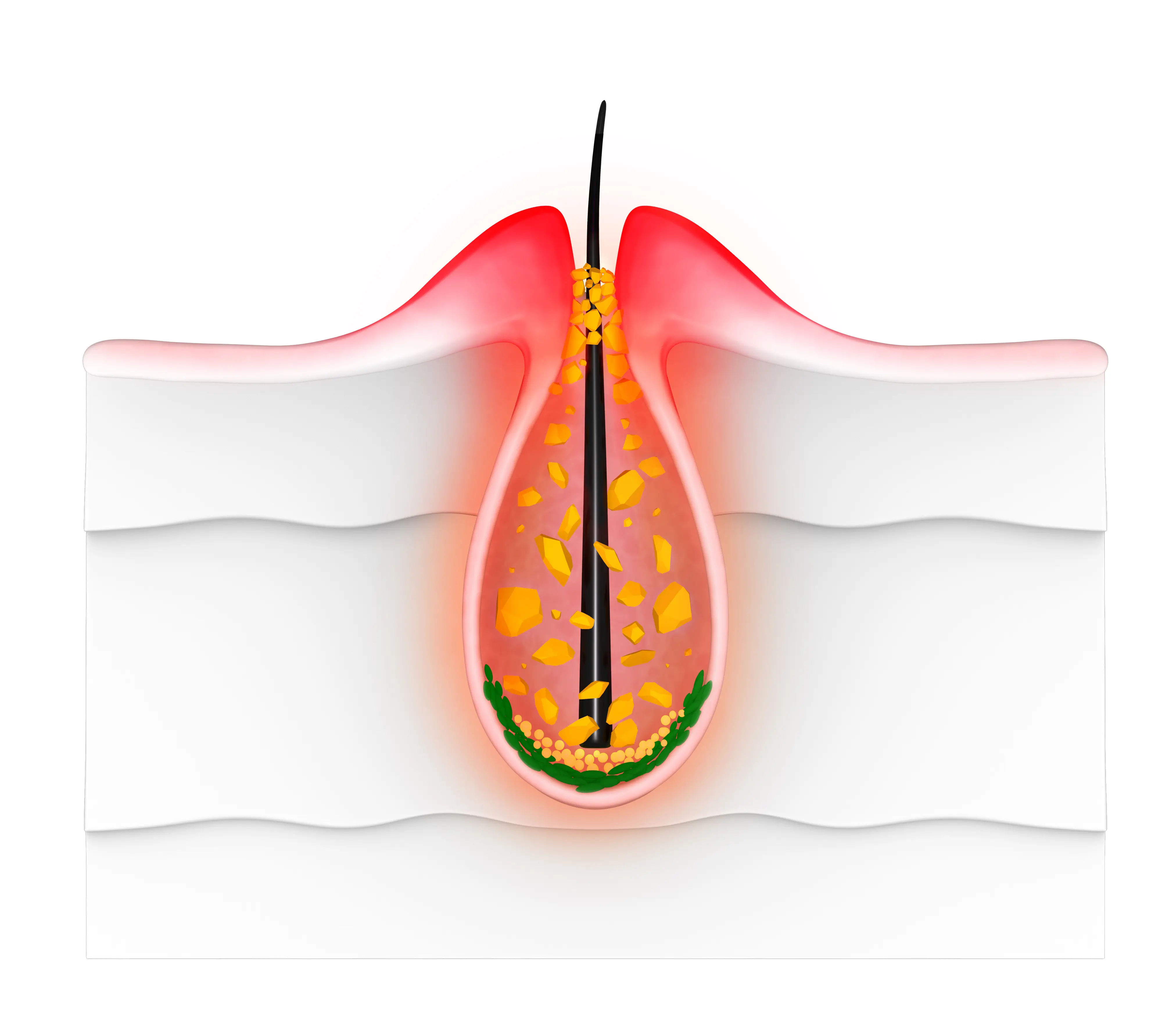
Oily scalp can clog the hair follicles, trap dust and may lead to some itching, infections which inturn can cause hair loss.
Dr. Anshul Suggests...
Consult a Dermatologist
Answered 04/07/2025
0
0


Ask Apollo
AI powered Health Chatbot
-
Oily Scalp and Hair Loss:
- Oily scalp can contribute to hair loss by causing conditions like dandruff or folliculitis.
- Excess oil may clog follicles, weakening hair roots.
-
Other Contributing Factors:
- Hormonal changes, genetics, stress, and nutritional deficiencies often play a larger role.
-
Management Tips:
- Maintain scalp health with gentle cleansing and appropriate hair care.
-
Professional Advice:
- Consult a dermatologist or trichologist if hair loss is noticeable or persistent.
Recommended next steps
Consult a Dermatologist
Answered 20/08/2025
0
0
More Dermatology Health Queries
View allI've had this issue with fungal nails for years now. It started on my big toes, but it's beginning to spread to my other nails too. I'm getting married soon, and I'm really worried about how my nails will look. Can you recommend any medicine that could help with this?
Visit Dermatologist for evaluation and appropriate management


Answered by 1 Apollo Doctors
I've got naturally curly hair, but it's become super dry and frizzy over time because I haven't maintained it well. With a family event coming up, I'm thinking about getting my hair treated, and someone recommended cysteine treatment to tame it. I'm a bit worried about any side effects that might come with it. Is it safe to go for the cysteine treatment, or should I consider keratin or chemical smoothing treatments instead? Would love to get your thoughts on this.
visit dermatologist for evaluation and appropriate management
Answered by 1 Apollo Doctors
I'm experiencing a strange, random stinging sensation on my skin all over my body. I'm not exactly sure what kind of tests I need. Should I be looking at seeing a neurologist, or would a dermatologist be a better option for this kind of issue? Any guidance would be appreciated.
Neurologist opinion is advised to the patient.
Answered by 1 Apollo Doctors
Health Articles for you
View all
Disclaimer: Answers on Apollo 247 are not intended to replace your doctor advice. Always seek help of a professional doctor in case of an medical emergency or ailment.